Getting Your IR Lamps to Actually “Talk” to Your Glass
Most standard infrared lamps are just guessing. They throw out a wide range of energy, but the problem is that a lot of that heat never actually makes it into the glass. It either bounces off the surface or flies straight through like the glass isn’t even there. If you’re using specific additives in your glass molding, this is a huge waste of energy.
The “Fingerprint” Problem
Every glass blend has its own unique absorption peaks—think of it like a fingerprint. If your lamp isn’t hitting those exact spots, you’re fighting an uphill battle. We fix this by tweaking the filament material and the coating on the quartz envelope. We basically shift the emission peak so it lines up perfectly with your additives. Instead of the heat just sitting on the surface, the photons dive deep into the molecules. And look, you can’t just crank up the wattage to force it to work. That’s a recipe for disaster. You’ll end up scorching the outside of the glass while the core stays ice cold. By dialing in the wavelength, we trigger the actual vibrations in the additives. That’s how you get deep heat and fast warm-ups.
The Honest Trade-off
Now, there’s a catch. When you narrow the spectrum to get that precision, you lose some of the raw “oomph” you get from a standard broad-spectrum halogen tube. You’re getting way more efficiency, but the total heat output per lamp is lower. Depending on your setup, you might need to add a few more lamps to your array to keep the total heat load where you need it. It’s a fair trade for the control you gain.
Why This Matters for Molding
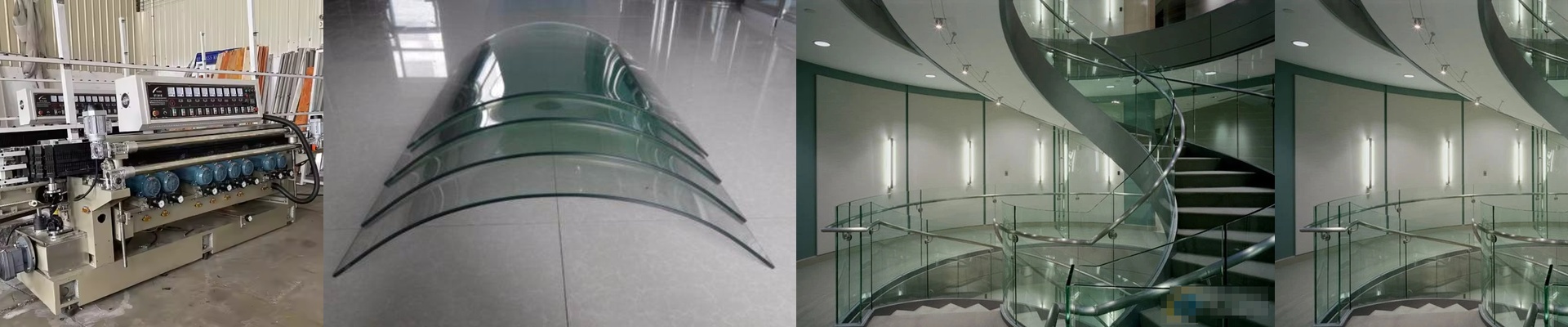
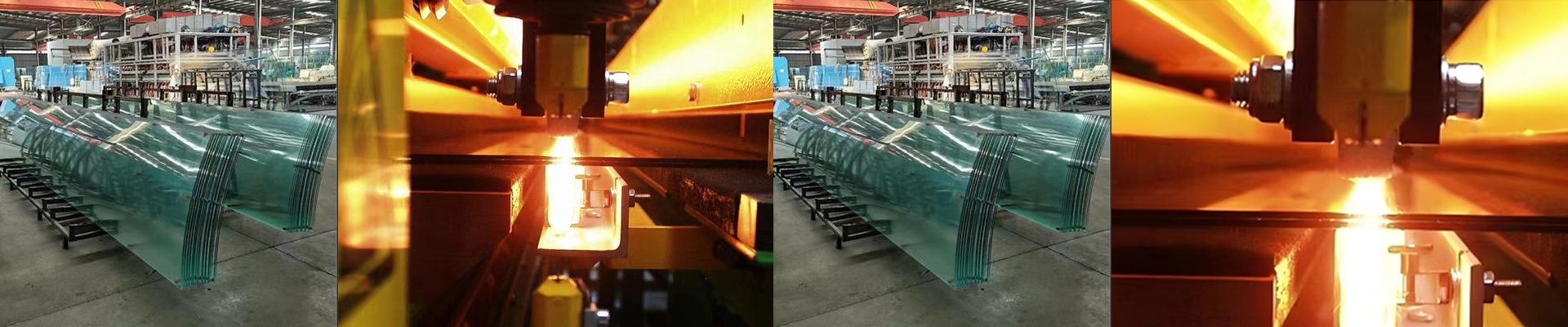
When the spectrum matches the additive, the heating cycle just shrinks. We see this most in high-precision work. You know that frustrating “skin effect” where the outside is soft but the inside is stiff? That’s what causes internal stress and those annoying little bubbles. When the IR peak hits the right frequency, the glass softensuniformly. Everything moves together. You can push your molding speed way faster without worrying about the whole thing cracking or warping. Just make sure your cooling system is up to the task, because these high-absorption setups move fast.