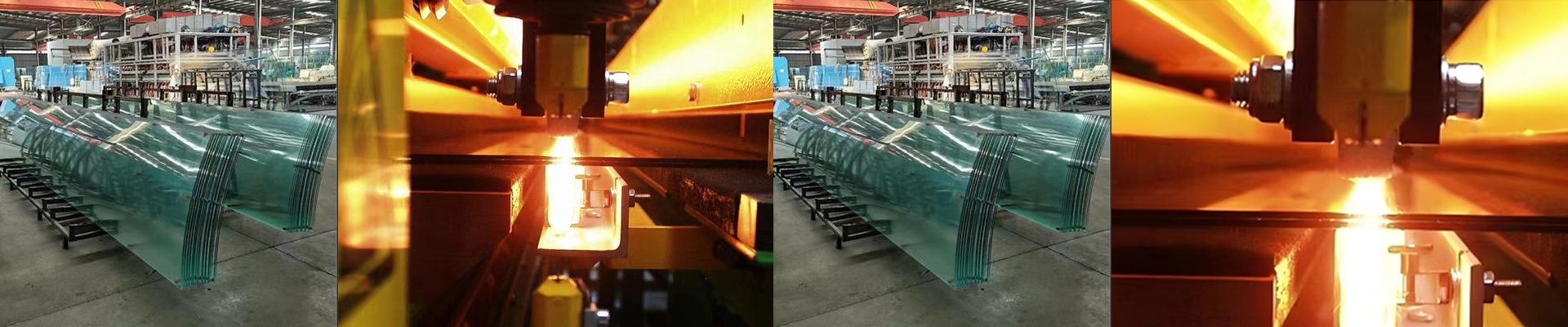
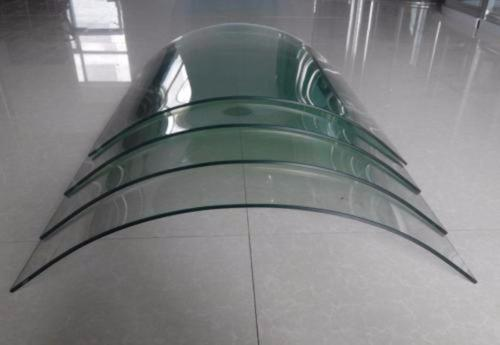
On the glass line, heat isn’t just a setting—it is the process. Whether you’re bending curves, preheating for tempering, curing laminated windshields, or drying coatings, uneven temperature or a sluggish ramp-up stops the whole line. Temperature swings build thermal stress, and that means scrap and restarts. What matters under the hood We run short-wave infrared with quartz emitters, tuned to match glass emissivity. The energy goes straight into the sheet, not into heating air. Output is calibrated for industrial duty, with tight control of spectral power density so the surface heats without overshoot. The package is built to drop into existing frames—standard voltage options, solid terminals, and mounting geometry that lines up. Control stays straightforward: closed-loop feedback from thermocouples or pyrometers keeps the thermal profile stable, cycle after cycle. Why it sticks on the floor In bending, infrared lays heat evenly across complex shapes, cutting down the hot spots that drive splits and optical distortion. For tempering preheat, the fast ramp shortens the soak window, so you hit the quench window on time—every time. In lamination, the heat profile drives resin flow and adhesion without trapping bubbles. In coating drying, it pulls solvents out quickly while keeping film integrity intact. Energy use drops because you’re heating the glass, not the plant. You end up with shorter cycle times, fewer rejects, and less downtime chasing burned-out elements. Here’s what you need to watch Infrared is line-of-sight, so emitter layout has to match the product geometry. Reflectors and shielding matter, and ambient dust and vapor will bite you if you ignore them. Expect a short commissioning period to tune power density and dwell for your exact glass thickness and coating stack. Once it’s set, the system runs with predictable maintenance intervals, but alignment and clean optics are non-negotiable if you want stable output.