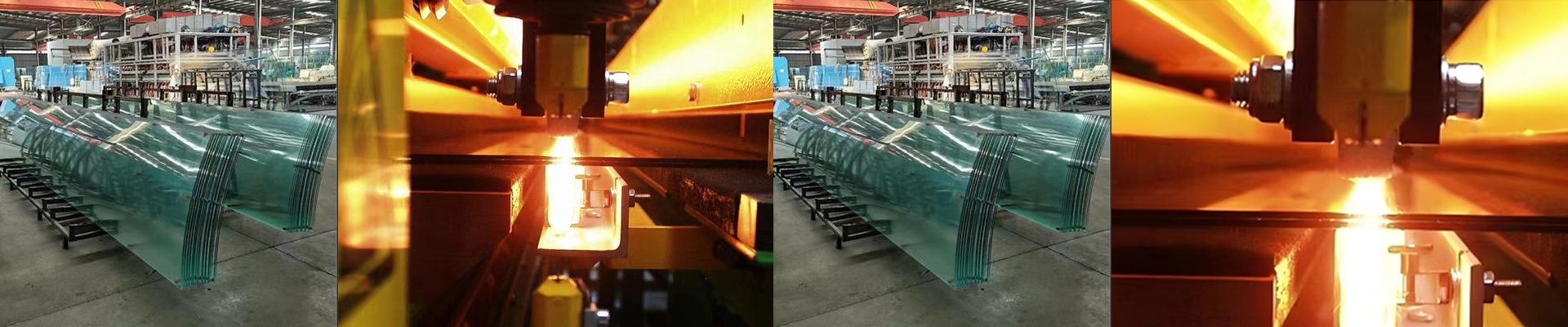
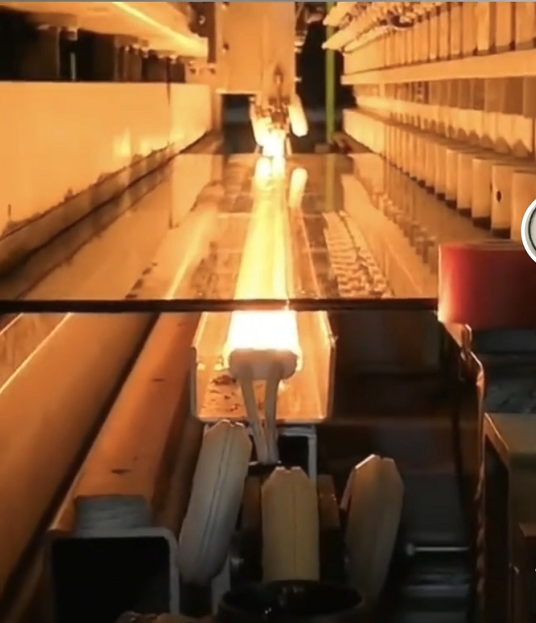
Out on the line, glass parts sit waiting for a quick thermal hit to knock out microbes before lamination or final inspection. When the heater lags, the conveyor backs up. When the profile is off, you’re gambling with thermal stress—and rejects that don’t show themselves until after tempering. Infrared sterilization attacks the issue where it starts: speed with control. What matters under the hood We run NIR quartz emitters built for snap response and repeatable output. They keep wavelength control tight, matched to how water and organic residues absorb, so surface microbes get neutralized without driving heat deep into the glass. Power density is calibrated to hit sterilizing temperatures fast, while keeping hot spots out of the sheet. The payoff is a short dwell, a stable thermal field, and less time spent hanging at temperature. Why it fits the line On tempering and bending lines, throughput lives and dies on heating that’s fast and predictable. Infrared sterilization keeps the same line moving—no long preheat, no long cooldown. Energy use drops because the emitters heat on demand instead of running continuously. It also cuts down on air movement and convection, which helps keep dust and particulates from settling back onto freshly treated surfaces. For lamination prep, that translates to fewer defects and fewer callbacks. What you need to get right Installation is straightforward, but alignment is not optional. The emitters have to sit at the exact focal distance for the stated power density; if they’re off, the profile drifts and sterilization comes out uneven. We supply adapter kits and mounting hardware for the major glass machine brands, so you can swap them in without cutting frames or modifying fixtures. One practical reality: in dusty environments, reflectors and emitters need routine cleaning to keep output steady and prevent drift. Keep the lens and reflector surfaces clean, and the system will hold its set profile shift after shift.