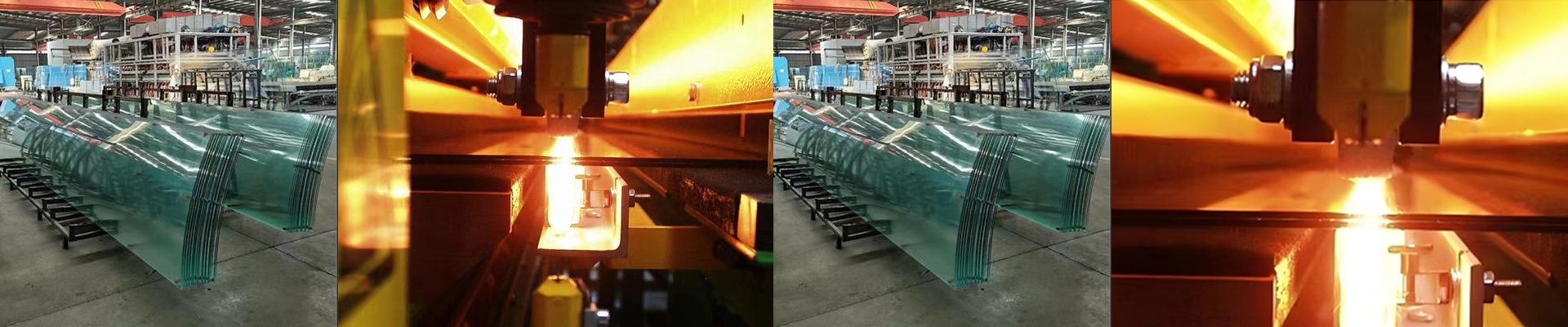
On a fast glass line, the drying step is where yield gets made or lost. A syringe-style lamp that throws hot and cold spots will drive thermal stress, and suddenly you’re scrapping parts for micro-cracks or optical distortion. We built our glass syringe drying lamp to take that variability out of the equation—so the heat lands where it should, and nowhere else. What matters under the hood The core is a short-wave infrared (SWIR) quartz emitter, matched to the absorption profile of glass coatings and adhesives. Power density is tuned for rapid energy delivery without scorching the surface, and the reflector geometry is shaped to map a uniform thermal field across the target zone. The payoff is repeatable temperature control with tight uniformity—no sharp gradients that push the glass into uneven expansion. The lamp runs on standard industrial voltage, drops into common mounting footprints, and integrates cleanly with existing conveyors and enclosures. Why this works in glass processing In coating drying, EVA/SGP/PVB pre-heat, and similar steps, uniform heating is the difference between a stable process and a constant scramble. Even heat distribution prevents local hot spots, so you don’t get differential expansion that leads to fractures, warp, or optical aberrations. Fast ramp-up shortens cycle time, and the focused energy profile keeps the surrounding air cooler—cutting parasitic losses and easing the load on HVAC. We’ve watched lines stabilize cycle time and cut rework when the thermal profile stays consistent shift after shift. Here are the practical details Installation is straightforward, but the lamp needs line-of-sight and proper clearance so you don’t create shadows. Keep distance to the glass controlled, or thin sections will overshoot locally. The quartz envelope is tough, but it still needs clean handling and a solid mount—vibration will shorten its life. For the best results, pair the lamp with a temperature feedback loop to lock the setpoint and compensate for ambient swings.