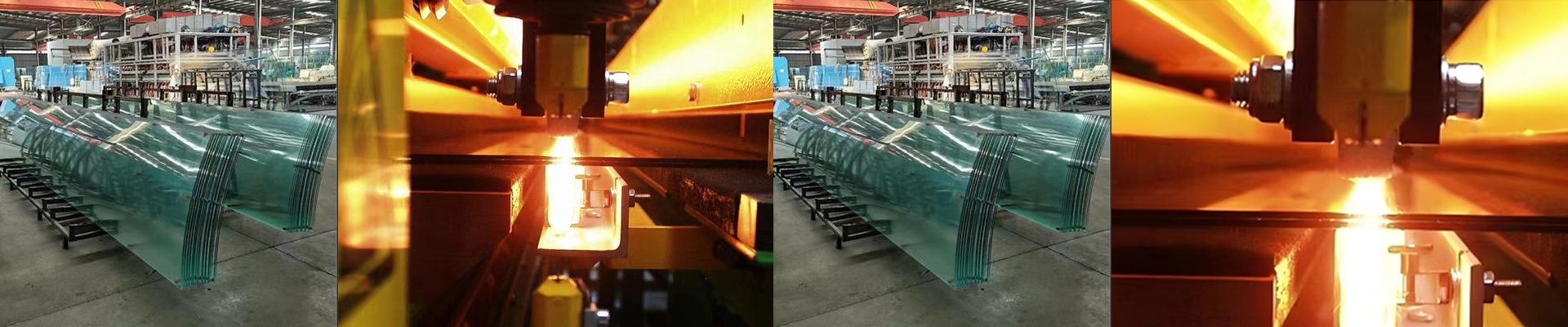


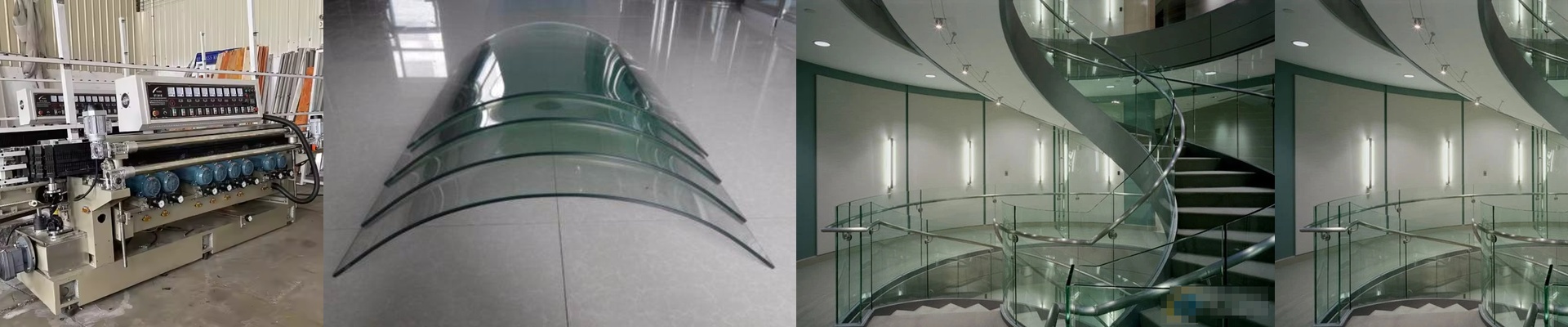
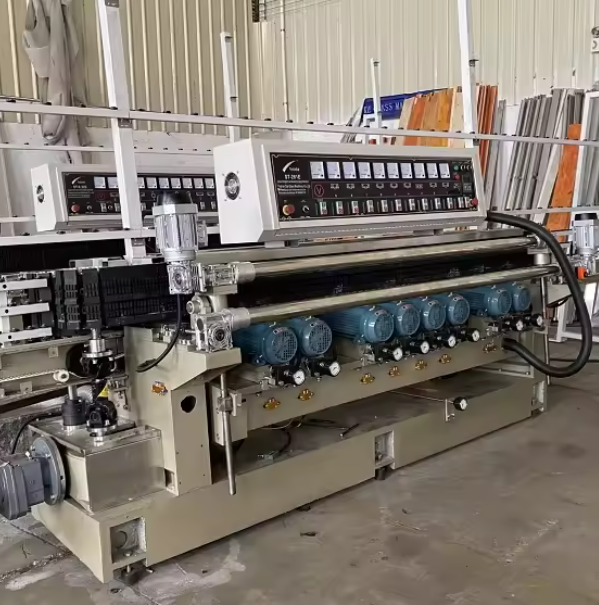
On the line, you don’t get a do-over once glass leaves the oven. Residual thermal stress hides in the edges and corners, then shows up as spontaneous breakage during cutting, bending, or tempering. That’s why stress relief infrared heating isn’t a “nice-to-have.” It’s a controlled step that strips out the temperature gradients responsible for fractures, optical distortion, and expensive rework.
What matters, technically
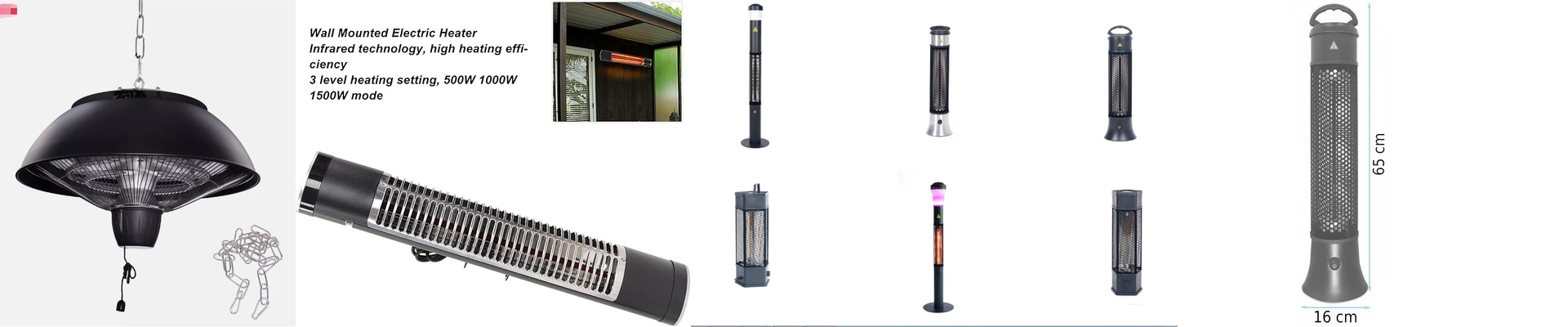
Stress relief infrared for glass leans on short-wave quartz emitters to deliver fast, direct radiation with quick response. The target isn’t just peak temperature—it’s uniform heat flux across the glass surface. Tight zone control keeps the thermal field even, so the center and edges rise together. That reduces differential expansion and prevents the kind of internal stress that survives downstream. The payoff is measurable: fewer edge cracks, less warp, and stable flatness for the next pass—coating, lamination, or IG assembly.
Why it plays where it counts
In glass processing, uniform heating is the line between predictable yield and a scrap pile. Balance the heat, and you avoid local hot spots that drive optical distortion. You also avoid cold zones that force the glass to twist as it equalizes. Stress relief infrared lets you run faster without chasing defects—cycle time stays tight, and the glass exits with stress reduced enough for the next station to handle it. Energy use drops because the energy goes straight into the glass, not into heating air and conveyor hardware.
What to keep in mind
Installation is straightforward, but the system has to match your line geometry and emitter spacing. Clearance to the glass, reflector condition, and clean power matter—uneven spacing or voltage swings show up as banding. Build in routine calibration and emitter inspection, especially in high-humidity plants where quartz surfaces and connections degrade faster. Treat it like a precision thermal tool, not a heat lamp.