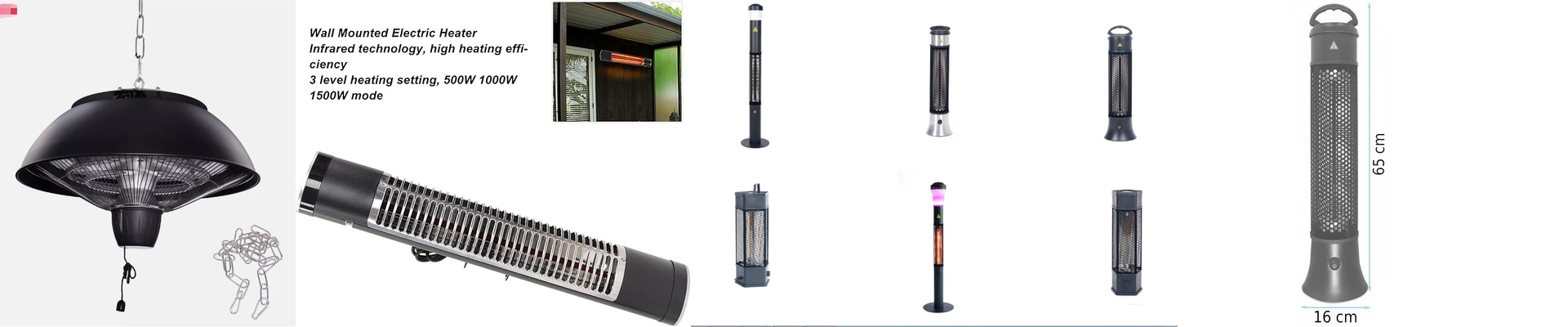
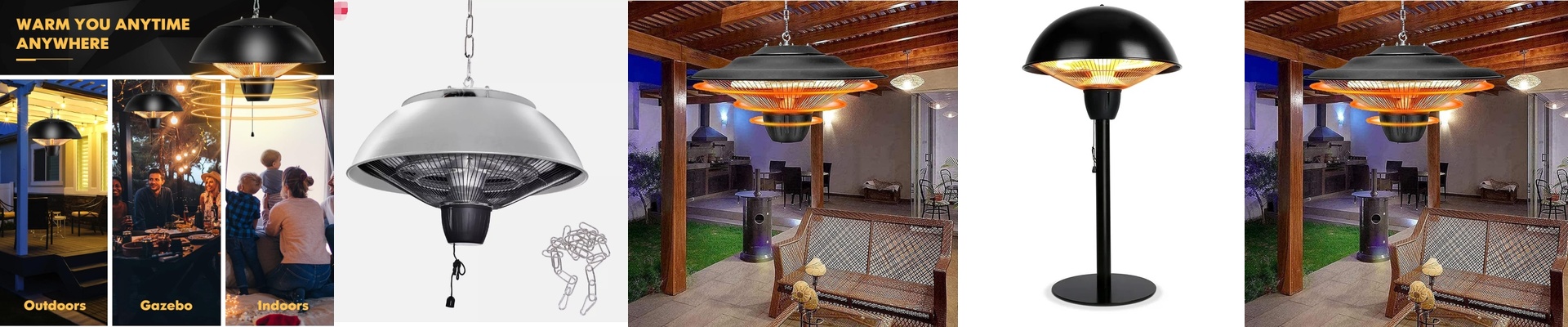
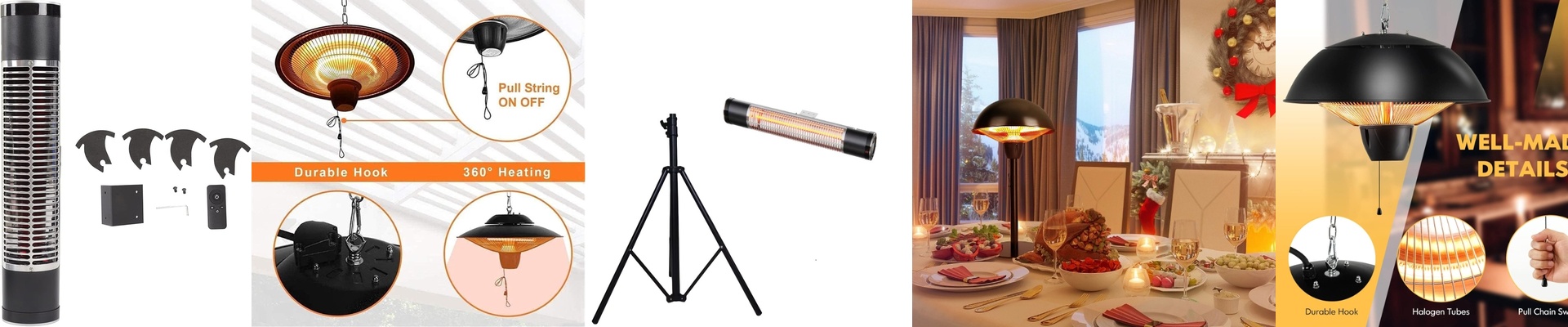
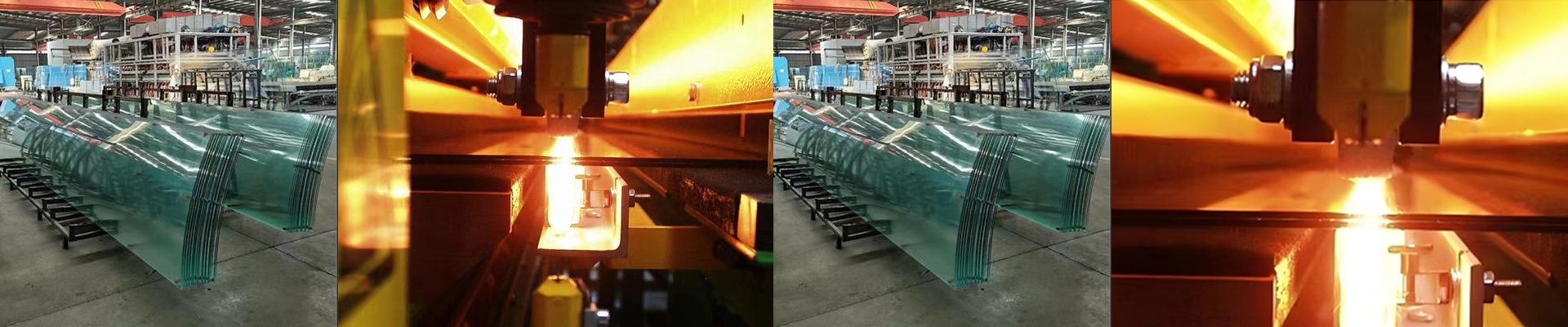
On the jewelry glass line, the lehr is where you win or lose yield. Let the heat profile drift, and you’ll see micro-cracks show up later—during grinding, during inspection. That scrap quietly eats your margin. We built this annealing lamp to lock the annealing curve, not chase it. What matters, technically We run short-wave quartz infrared emitters because glass absorbs strongly in that band. You get rapid, direct energy transfer with minimal heating of the air. Less convection-driven drift, and a more stable thermal field across the part. The lamp runs on standard industrial voltages, mounts with common hardware, and drops cleanly into existing conveyor lehrs or bench-top fixtures. Output is adjustable in steps matched to glass thickness and color, so you can repeat the same heat-up and soak schedule run after run. The quartz tube takes thermal shock, and the reflector geometry keeps the beam on the work—not on the frame. Why it works on jewelry glass Jewelry pieces are small, varied, and often stacked on fixtures—exactly the conditions that give you uneven heating. With this lamp, you get a faster ramp to soak, shorter cycle times, and tighter control over annealing point and cooling rate. Fewer stress fractures. Consistent optical clarity. Less rework after cutting and polishing. You also cut energy use, because you’re heating the glass directly—only the glass. A few shop-floor notes Installation is straightforward, but alignment is where people get tripped up. Distance and angle to the part have to stay within tolerance; otherwise, you’ll see hot spots and shadows. Plan for clean power. Voltage sag and dirty contacts will shift output. Treat the quartz as a consumable—handle it clean and replace it on schedule. And keep the lamp away from cooling air jets during soak. Drafts pull heat off the surface and disturb the annealing curve.