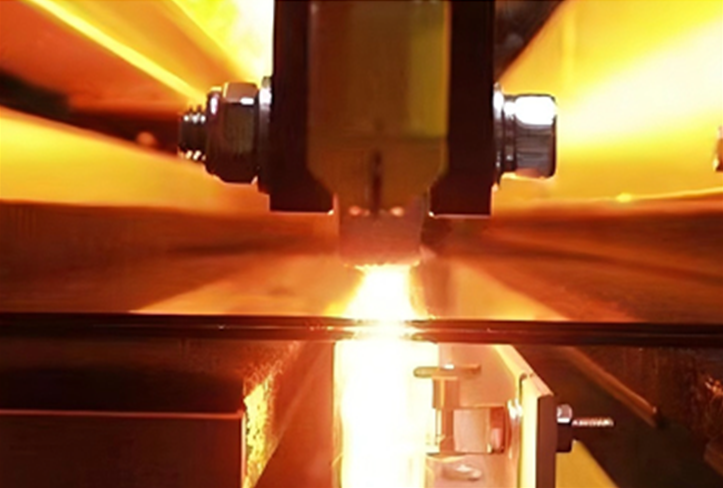
On the line, a hairline crack out of the annealing lehr is never just a defect. It’s downtime, rework, and heat you paid for that didn’t do its job. Glass cracks in annealing when thermal stress overruns the annealing point—usually from uneven heating, overshoot, or unstable convection. You end up scrapping lites, throttling throughput, and running the lehr harder than it needs to run.
What actually matters under the hood
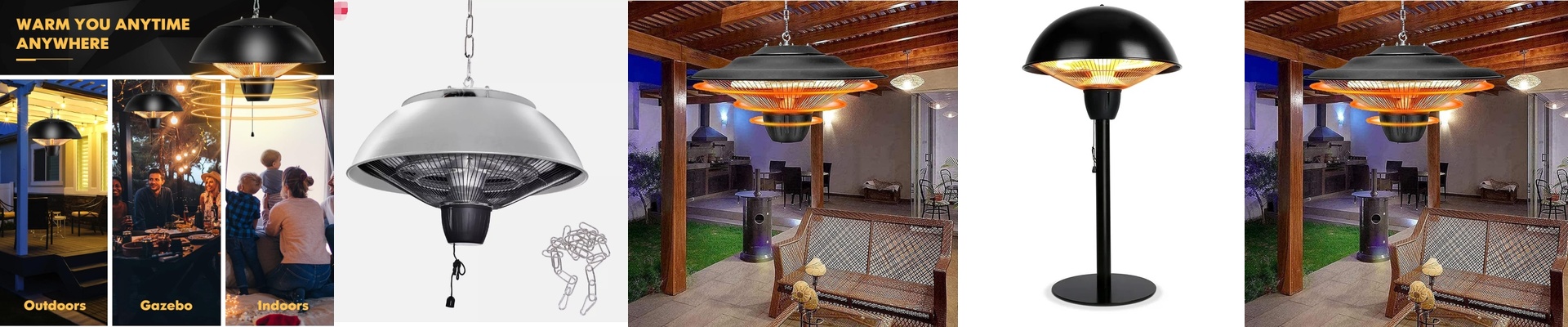
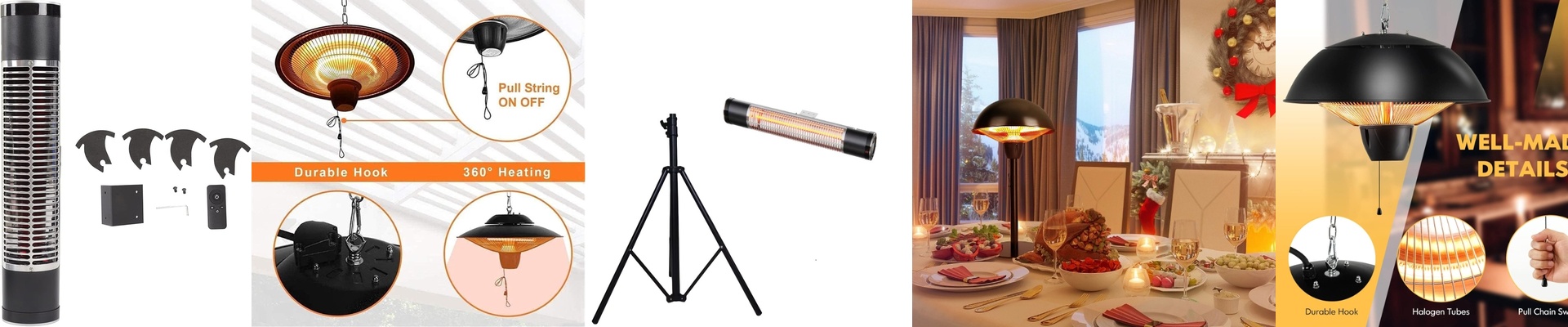
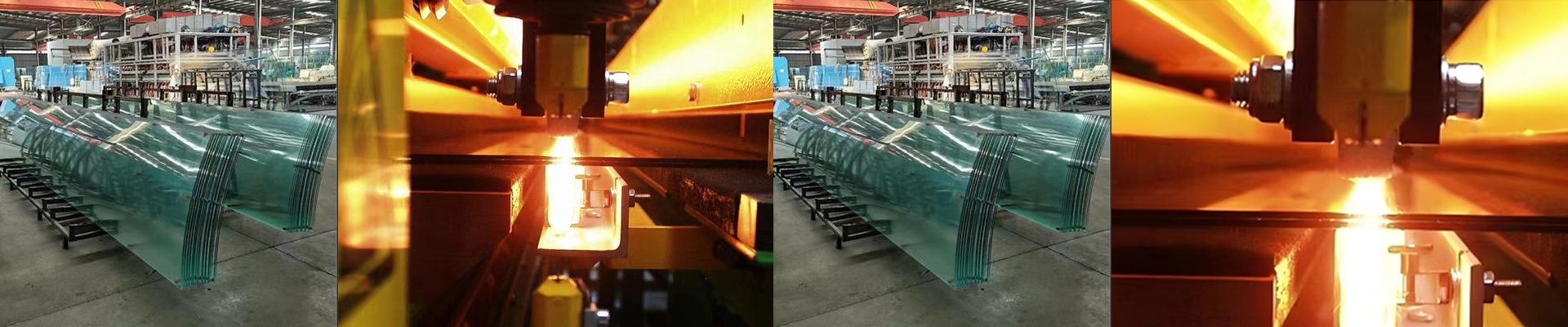
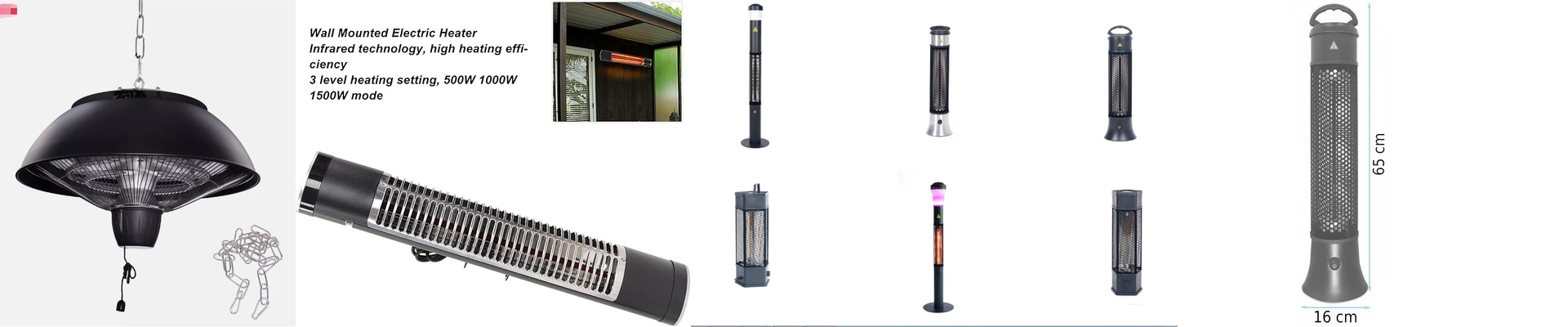
We spec quartz short-wave infrared heating modules that are tuned for glass: high power density, fast response, and tight temperature control. The emitters put energy straight into the glass with minimal loss to convection, and the system holds a uniform thermal field across the full width of the lehr. That stability keeps the glass through the annealing point without hot spots or cold edges that set up tensile stress. The controls keep setpoint within tight tolerance, so overshoot drops and cycle time comes down.
Why this fits the line
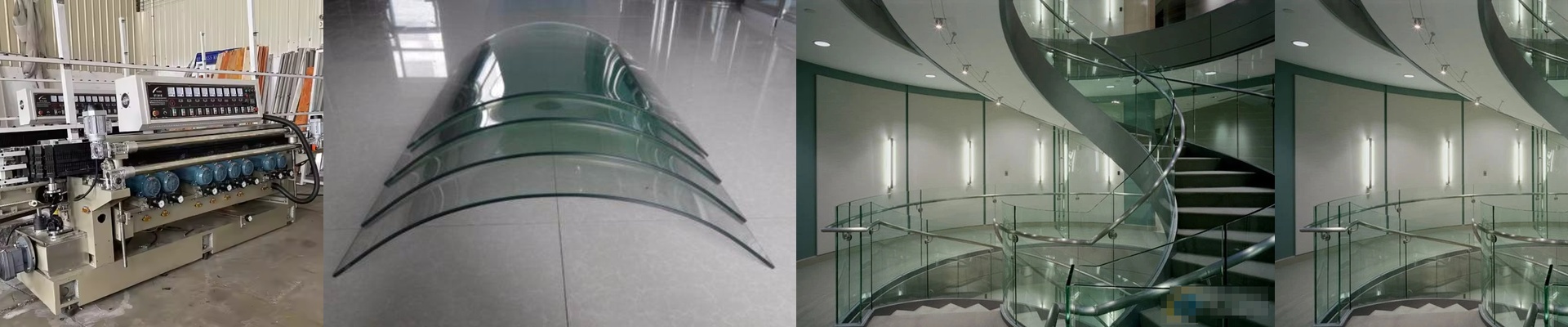
In a high-throughput tempering and bending line, heat has to switch on, settle fast, and then hold steady. These modules come up to operating temperature quickly, so you spend less time ramping and more time shipping. The direct-heat approach lightens the load on the lehr recirculation system, which lowers overall energy draw. In practice, you see fewer annealing cracks, more consistent optical quality, and output that behaves predictably. Energy use drops because the system heats on demand instead of running continuously, and waste heat stays manageable.
What you need to watch on install
Retrofitting these modules into existing lehr zones is straightforward, but alignment and clearance are not optional. The emitters need a clean line of sight to the glass, and the spacing has to avoid edge shadowing. Plan on a short commissioning window to tune emissivity, airflow, and zone balance. And one practical note: high power density means you need solid thermal management at the mounting interface, so verify your electrical and cooling provisions match the module ratings before you start.