

Dealing with Stress in Ultra-Thick Glass Cutting
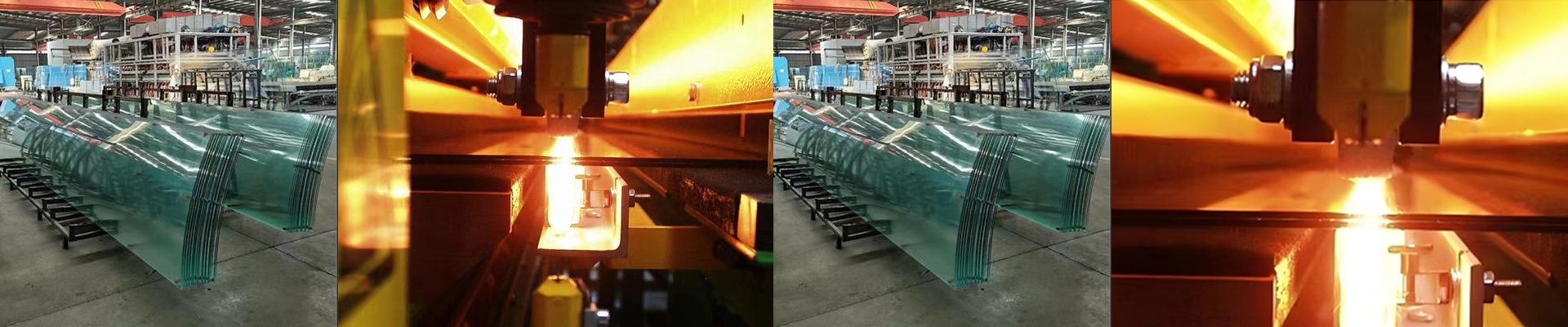
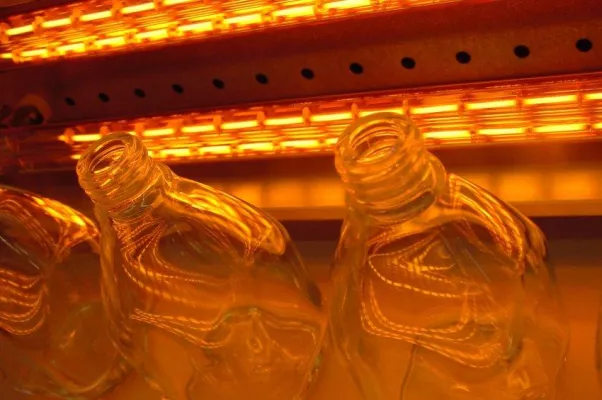
Cutting through ultra-thick glass is brutal on your equipment. When that glass is cold and rigid, your cutting wheel takes a massive beating. You’ll see it in the chipping, or worse, you’ll just watch the wheel fail completely. To stop that, we use shortwave infrared (IR) lamps. We aim them right at the cutting path to soften the material just a bit. It lowers the resistance, making the whole process much smoother. Why IR? Standard heaters are basically useless here because they only warm the surface. For thick plates, you need something that actually gets inside the glass. Shortwave IR does exactly that. Instead of bouncing off the top, these wavelengths soak deep into the substrate. By focusing the heat exactly where the wheel is traveling, we create a little “warm zone.” It relaxes the internal tension of the glass. Suddenly, the wheel isn’t fighting a frozen slab of stone—it just glides. Saving Your Tools The trick here isn’t to melt the glass (obviously). It’s about tweaking the elasticity. When you lower the force needed to make that cut, your carbide wheels last way longer. Plus, the breaks are cleaner. No more jagged edges. The Catch High-power IR lamps pack a punch, but you have to be careful with how long they stay in one spot. If the lamp lingers too long, you’re asking for thermal shock or weird temperature gaps across the plate. You have to keep the lamp and the cutting head perfectly in sync. If your gantry lags for even a second, you’ll get heat spots. And those spots? They’ll turn into cracks the moment you go for the final break. Just keep your sensors dialed in and you’re good to go.