Getting Long-Format IR Heating Right for Glass Annealing
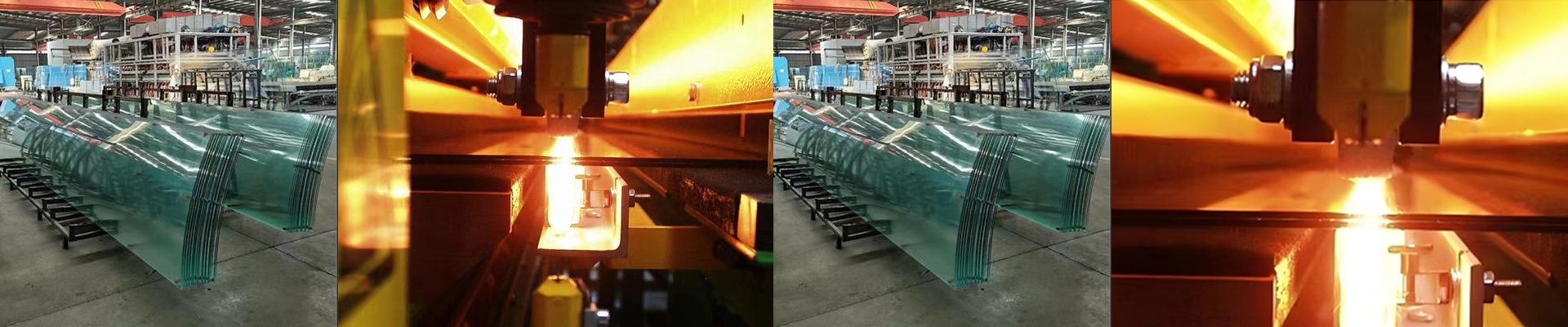
Most IR lamps tap out at one or two meters. But if you’re running a long glass tunnel kiln, that’s a problem. You can’t have “dead spots” in your heat zone, or you’re looking at thermal shock and broken glass. That’s why we build custom infrared units that push way past that two-meter mark. We make sure the heat stays steady, no matter how long the tunnel is.
The battle against voltage drop
Here’s the thing: when you go long, voltage drop becomes your biggest headache. If you just plug a two-meter lamp into a standard 220V setup, you’ll notice the middle of the tube is colder than the ends. Not ideal. To fix this, we play around with the filament winding density and the voltage ratings. Sometimes we bump up the voltage; other times, we use synchronized modules. Either way, the goal is a flat temperature profile. You get consistent heat from end to end, which is exactly what your glass needs.
Built to actually last
These aren’t delicate pieces of equipment. We use heavy-duty quartz glass because a two-meter tube expanding and contracting at peak heat is a lot of physical stress. And then there are the connectors. In our experience, that’s where things usually go wrong. We use reinforced terminals so the lamps don’t just burn out at the contact points after a few thermal cycles. It’s about making something that doesn’t break the moment you turn it on.
A few things to keep in mind
These lamps react fast, which is great for hitting that soak temperature quickly. But there’s a catch. Since we’re packing a massive amount of wattage into a narrow space, things gethot. Really hot. You have to get your cooling blowers right. If your airflow is weak, the heat will just pool around the sockets and melt your wiring. It’s a mess you don’t want to clean up. We usually design these as drop-in replacements for your existing arrays. We’ll match your specific wattage per meter so your glass hits the annealing point perfectly—without overshooting and warping the shape.