Getting Your Voltage Right for Glass Tube Sealing
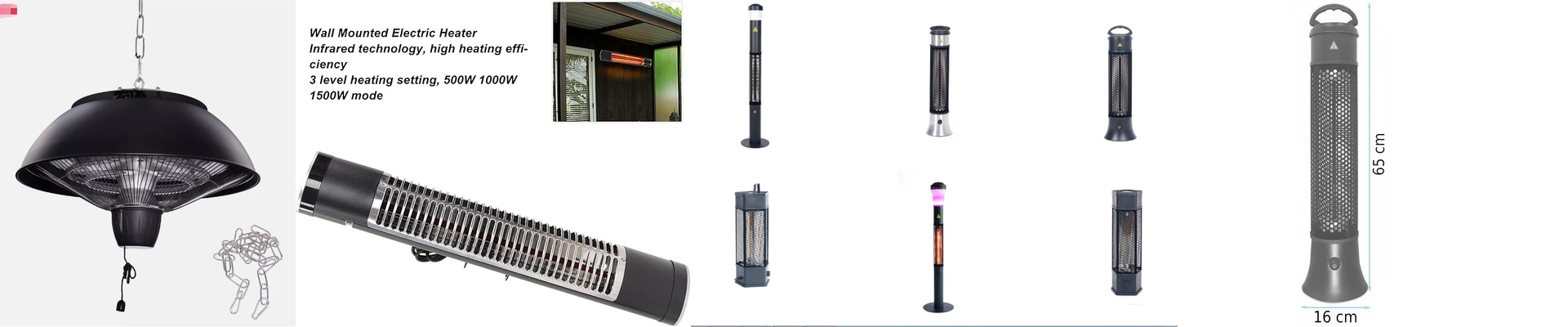
Here is the thing about glass tube sealing lamps: they aren’t a “one size fits all” kind of deal. I’ve seen it happen plenty of times. A company moves a production line from the US over to Canada or Europe, and suddenly, the electrical grid doesn’t play nice. Engineers start sweating over 110V, 480V, and 575V requirements. It’s a stressful spot to be in. If you wire a lamp to the wrong voltage, it’s a lose-lose. Either it never gets hot enough to seal the glass, or you’ll watch the filament burn out in a blink.
The Deal with Voltage and Power
We build these lamps to fit whatever grid you’re actually plugged into. If you have a small, localized setup, 110V usually does the trick. But when you’re scaling up to industrial levels, you probably want 480V or 575V. Why? Because it keeps the current draw down and stops the voltage from dropping off across those long cable runs. It lets us keep the wattage high without needing wires as thick as your thumb. You get that intense heat density you need to soften glass or polymers fast. Just a heads-up: if you go with 575V, make sure your power supply can handle the initial surge. If the regulation is off, your lamps aren’t going to last nearly as long.
Building It to Last
We use high-purity quartz for these. It has to be, otherwise the thermal shock from rapid cycling would just shatter the thing. When it comes to fitting them into your machines, we keep it simple. Whether you need R7s or custom lead wires, we make sure it’s a tight fit. You don’t want loose terminals. Loose terminals lead to arcing, and arcing is a great way to kill a lamp instantly.
Putting It to Work
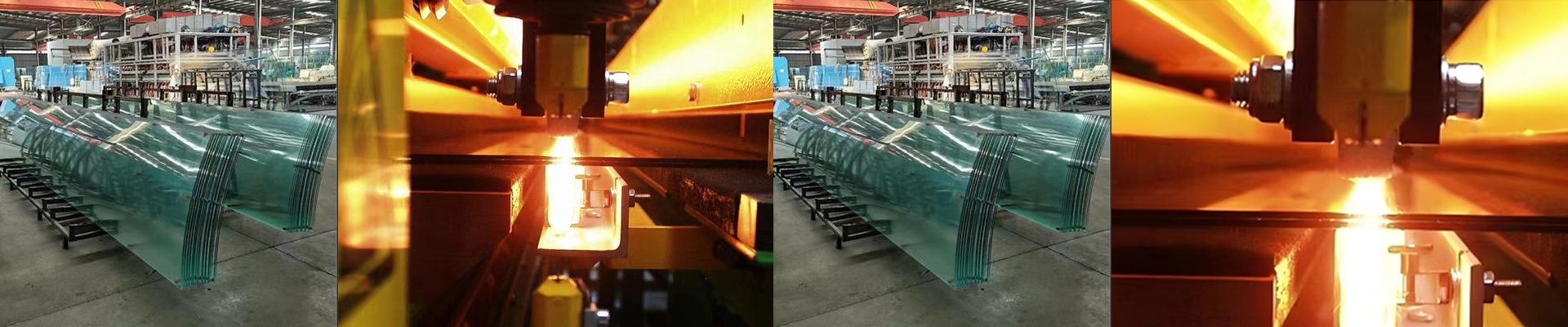
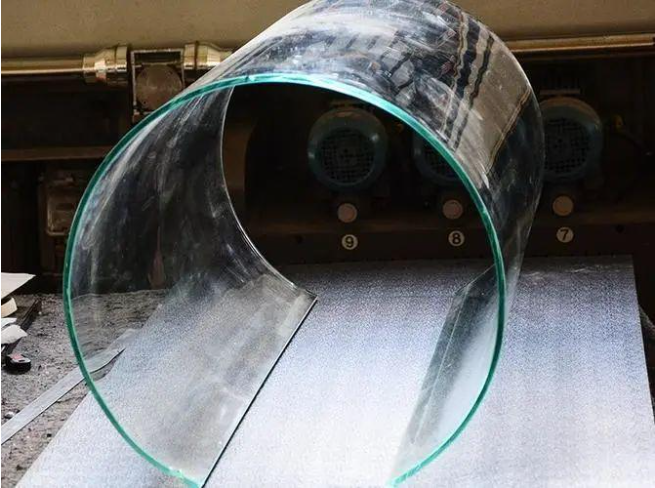
These lamps are the real workhorses when you’re sealing glass ampoules or doing PET blowing. They put out that concentrated shortwave IR that gives you a clean, professional seal. But there is a trade-off. All that heat puts a lot of pressure on your cooling system. If you cram a high-wattage lamp into a tight space, your ventilation has to be on point. If it isn’t, the heat soak will start eating away at the other parts of your machine. That’s why we customize the voltage and length for you. It saves you from having to clutter your floor with bulky transformers that just waste space and eat power.