Getting Low-E Glass Preheating Right (Even When It’s Massive)
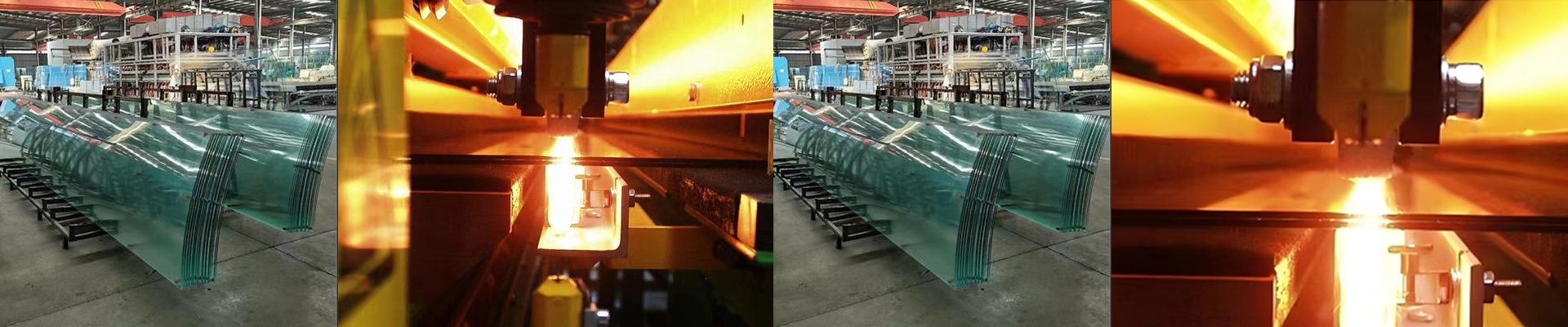
If you’re working with Low-E glass wider than 3 meters, you know the struggle. You need the heat to be perfectly even across the whole sheet. But here’s the problem: standard, off-the-shelf infrared lamps just can’t handle that kind of scale. They leave cold spots, and in this business, a cold spot is a defect. That’s why we build custom, continuous heating units. We design them specifically to kill those cold spots in your heating tunnels. The struggle with the 3-meter mark When you scale a heating element up to 3 meters or more, things get tricky. You start dealing with voltage drops and thermal expansion. We don’t just “stretch” a filament and hope for the best. That’s a recipe for disaster. Instead, we obsess over the power density. We calculate the exact wattage for every single centimeter. Why? So the center of the lamp doesn’t burn out while the ends stay lukewarm. When the heat flux is consistent, the temperature stays flat. No warping. No uneven coatings. Just clean glass. Built to actually last We use high-purity quartz glass because it lets the infrared heat through without fighting it. But the real secret is in the bones. Long lamps love to sag under their own weight, which is usually where they fail. We use heavy-duty supports to keep everything straight and true. We also know you don’t want a headache during installation. Our wiring is designed for a direct drop-in into your existing frames. Plus, we use reinforced connectors. Glass production is brutal on equipment—constant heating and cooling—so these connectors are built to take a beating. A few things to keep in mind Here is the trade-off: these high-power, wide-span units pull a lot of juice. Your electrical panels will feel it. Because these units put out so much heat, your cooling system has to be up to the task. If your ventilation is weak, the housing will overheat. That’s the fastest way to kill a lamp. To keep things stable and avoid those nasty temperature spikes, we suggest using precise PID control. It keeps everything smooth.