
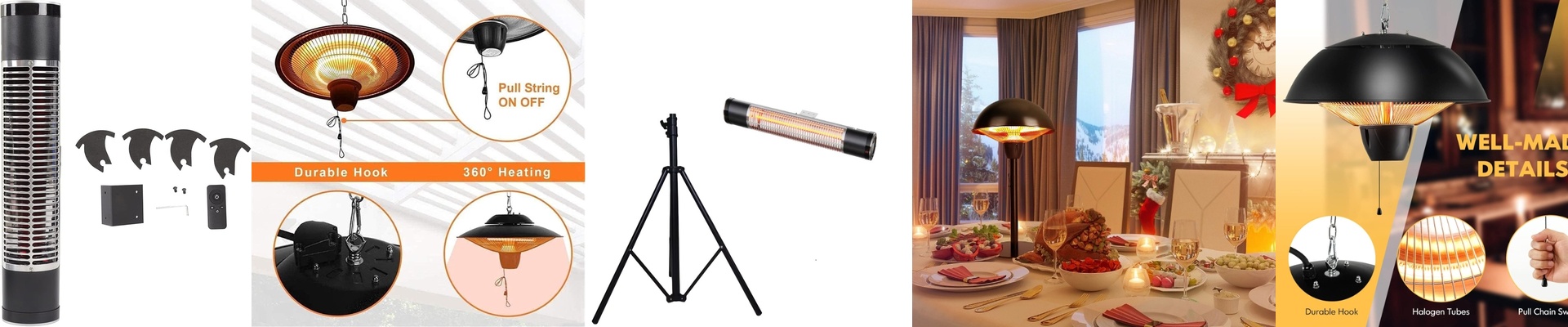
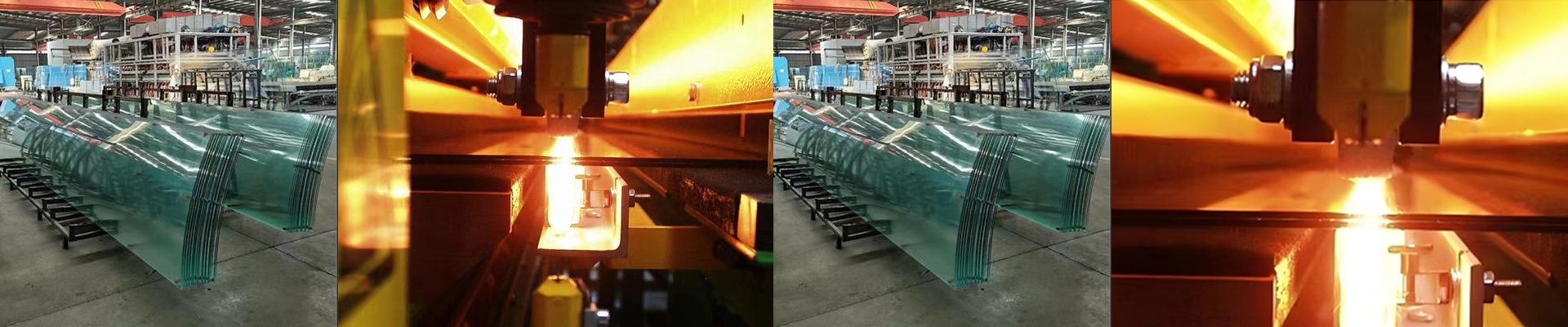
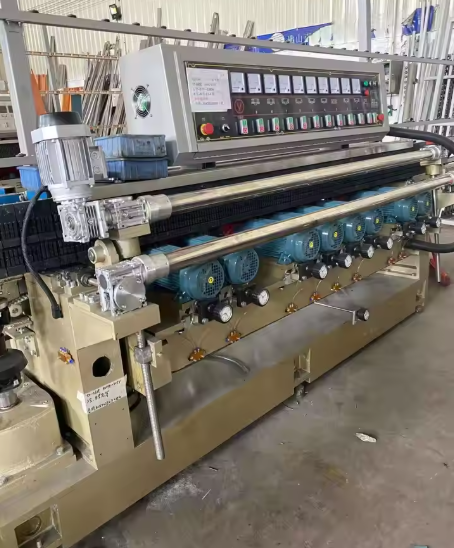
Cutting ultra-thick glass is a brutal process. If you’ve ever tried to score a heavy plate cold, you know exactly what I mean. The friction is intense, the stress on the cutting wheel is massive, and the wheel just takes a beating. The result? Chipped edges and a constant, annoying cycle of replacing tools. It’s a headache. We found a better way. Instead of forcing the wheel to fight the glass, we use high-penetration infrared (IR) lamps to warm up the path right before the cut. Here is how it actually works. Shortwave IR radiation doesn’t just sit on the surface; it sinks deep into the glass. By aiming that energy right at the score line, we bump up the local temperature. Now, we aren’t melting the glass here. We’re just easing the internal tension and softening the surface. When the cutting wheel hits the glass, it doesn’t crash—it glides. You get a much cleaner break, and since the wheel isn’t fighting a cold, hard slab, it lasts way longer. The setup part. To make this happen, we use high-wattage quartz halogen tubes. They pack a lot of heat into a very small space. The trick is getting those lamps lined up perfectly with the cutting head so the heat stays exactly where it needs to be. But there’s a catch. These lamps put off a lot of heat. If you cram them into a tight box without enough airflow, you’re going to fry your electronics or even warp the machine frame. You’ve got to make sure your cooling system can actually handle the extra heat. Why bother? Because it just feels better. Integrating IR pre-heating takes the physical strain off the equipment. No more jagged edges on your thick slabs. No more stopping the line every few hours to swap out a worn-out wheel. It turns a stressful mechanical grind into something smooth. You spend less time tinkering with tools and more time actually getting the work done.