



In a nursery, even the faintest noise can break sleep, and dry air leaves tiny noses chapped and raw. Old-school convection heaters kick up dust, burn through oxygen, and drone on all night. For families with infants, that’s not just annoying—it changes the whole feel of the room.
What we built, and why it matters
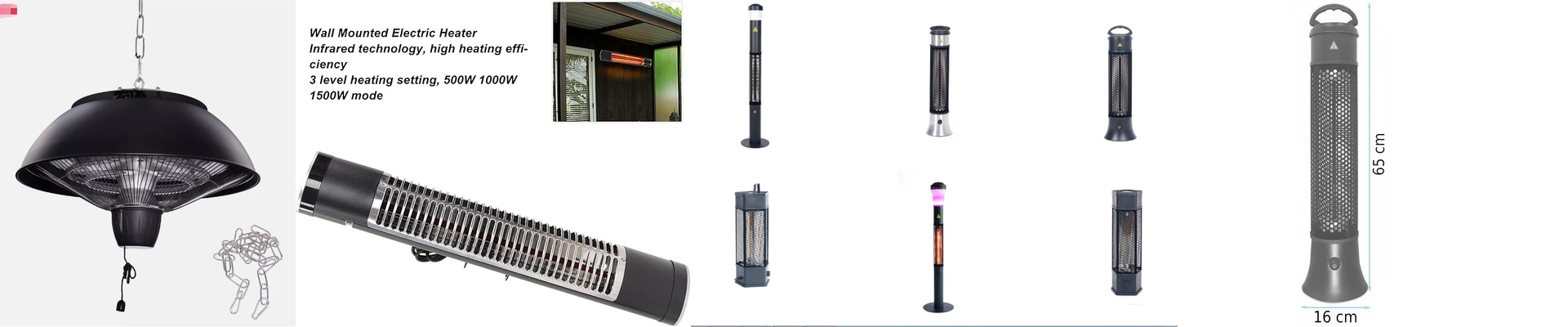
We built this infrared heater around a carbon fiber element. It delivers radiant warmth the same way the sun warms your skin—no moving air involved. No fan, no rattle. Heat goes straight to people, floors, and furnishings. Because it’s radiant, it doesn’t burn oxygen or strip humidity the way forced-air systems do. The air stays gentler on little lungs. Inside, a built-in thermostat keeps comfort steady. Tip-over protection cuts power the instant the unit is bumped. The outer grill stays cool to the touch, and the heater is engineered for low electromagnetic fields, keeping everyday exposure low. For parents, that means warmth without the extra worry that comes with open coils or noisy blowers.
Why this fits a baby-focused space
In a nursery, comfort comes down to breaths and sleep cycles. With infrared heat that doesn’t consume oxygen, you get warmth that doesn’t dry out the air or pull moisture from delicate skin. No draft. No dust being pushed around. No background hum that can startle a light sleeper. The heat arrives quickly, so bedtime stays calm, and the room stays even from wall to crib. Because the system heats people and surfaces rather than the air, it can feel more consistent than convection, and it can help keep energy use in check during long evenings.
The practical details—what to keep in mind
This is an electric heater. Plug it into a grounded outlet on a dedicated circuit; skip the extension cord. It’s designed for indoor use in dry rooms, so keep it away from baths, pools, and direct rain. For best results, position it so the radiant warmth reaches the crib area—without being too close. Clearance matters. The surface near the heater will warm up, even though the grill stays low-heat. If you want whole-room coverage, pair it with gentle circulation from a separate, quiet fan set on low.