Stepping out of the shower into a bathroom that’s still damp and cold isn’t just uncomfortable—it’s the kind of chill that keeps your shoulders tight until the air finally warms. Traditional bulb heaters throw off light and some heat, but they tend to struggle in wet conditions and rarely deliver even warmth. That’s why properly rated waterproof infrared heaters are now the practical baseline for any bathroom upgrade.
What matters under the hood
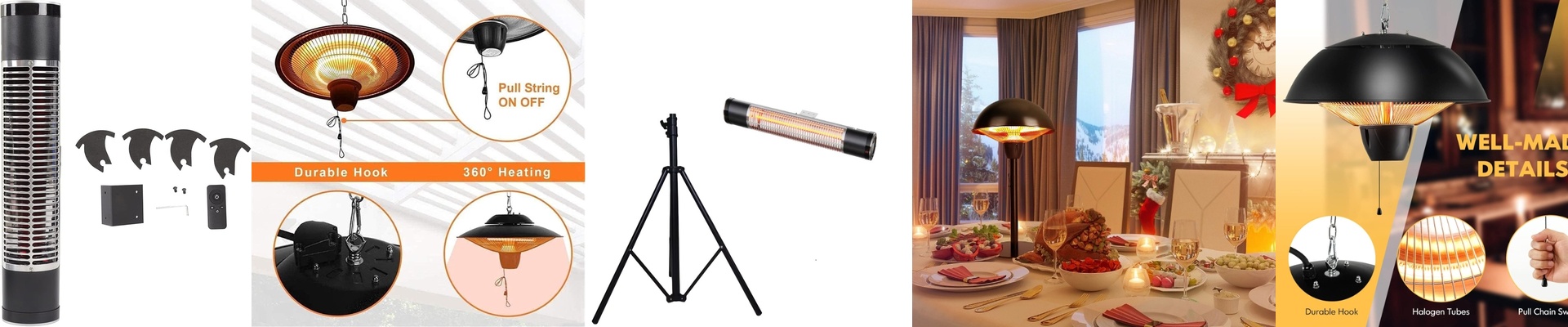
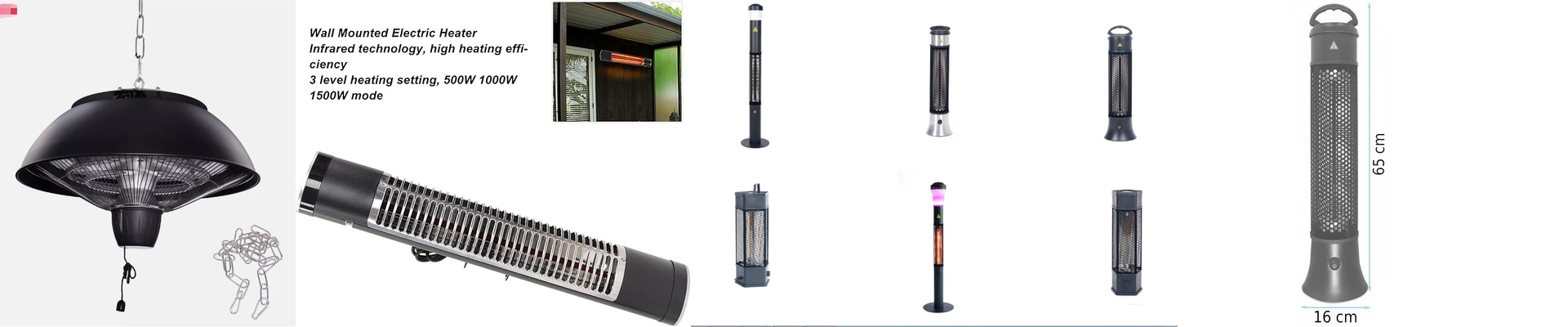
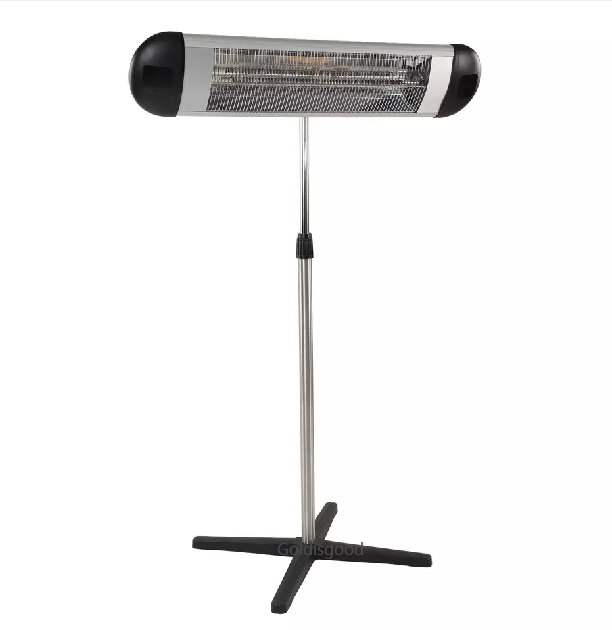
We build these around infrared elements—quartz tubes or carbon fiber—because they radiate heat directly to people and surfaces, not to the air. You feel the warmth right where you need it, without waiting around. The spec you can’t skip is the IP rating. For bathrooms,IP54 is the bare minimum, covering splashes from any direction. In more exposed spots, IP65 steps up with dust-tight protection and resistance to water jets, so the internal element stays dry and stable. Match output to room size, and you’re typically looking at 1,500–2,000 watts for a standard bathroom. Voltage options include 120V, so integration into existing circuits is straightforward. A built-in thermostat keeps comfort consistent, and standard safety features—tip-over protection and overheat cut-off—are non-negotiable.
Why this approach fits a bathroom
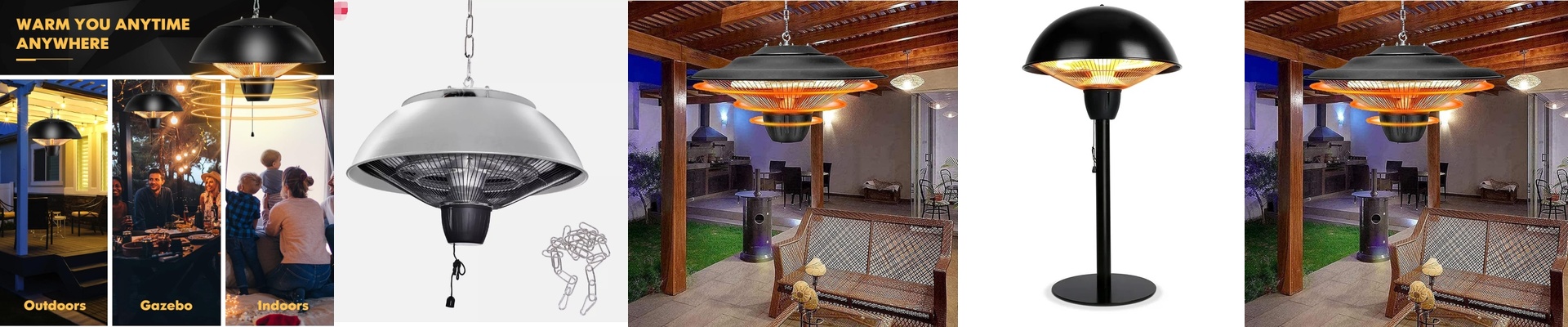
Bathroom comfort has to be immediate and dependable. Infrared warmth hits the moment you step in, so you’re not hanging around in the cold. And because moisture is constant, the sealed IP design keeps corrosion and electrical issues at bay—meaning fewer failures over time. You also gain space. These units mount cleanly to walls or ceilings, without the bulk and glare of bulb-style heaters. The heat is even, with no harsh hot spots, and it supports better circulation and muscle relaxation after a shower.
The practical details that keep it working
Installation is simple, but it does require a dedicated circuit and proper grounding. Match the heater to your space and the circuit’s amperage, and respect the clearances to walls and the ceiling as the manufacturer specifies. In very humid bathrooms, pairing the heater with an exhaust fan helps keep conditions stable. These heaters are tough, but sizing matters. Undersized units end up running continuously; oversized units can shorten duty cycles. Get the fit right, and the system delivers steady comfort, year after year.