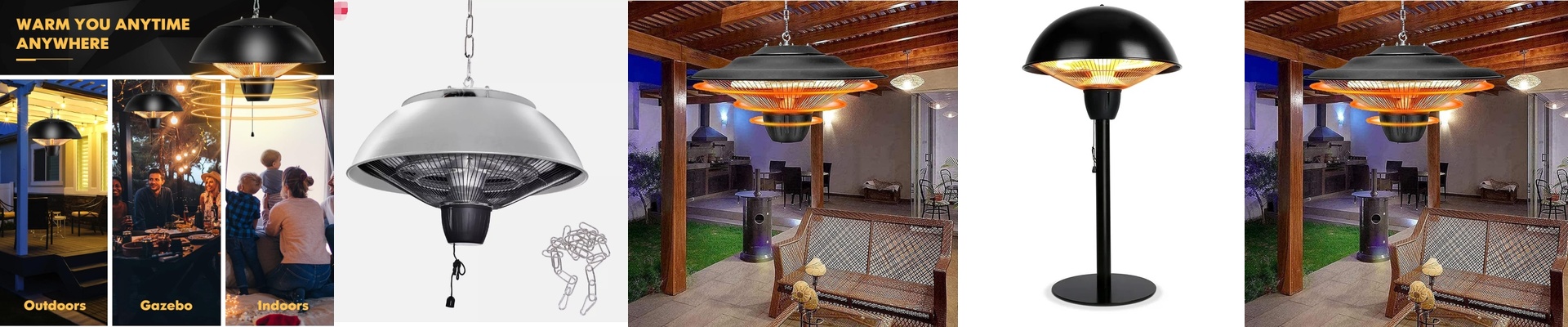
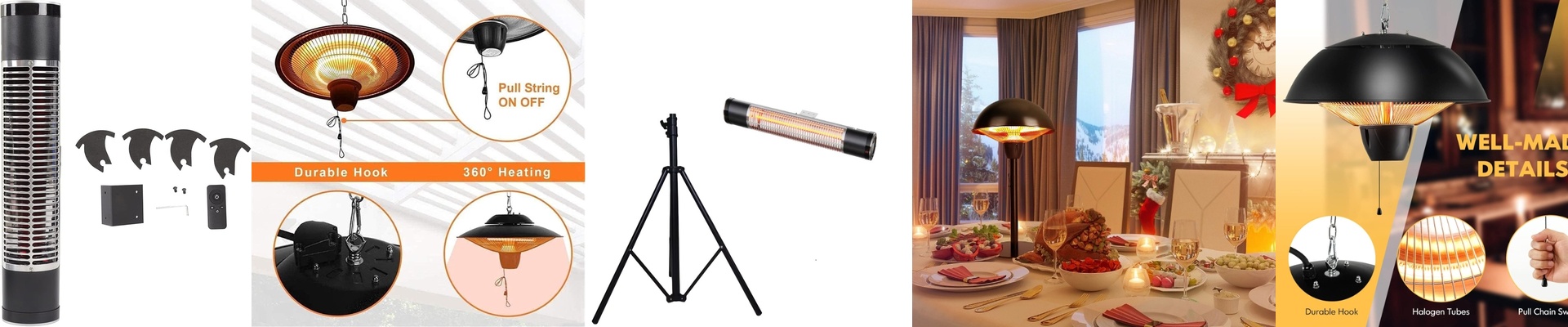
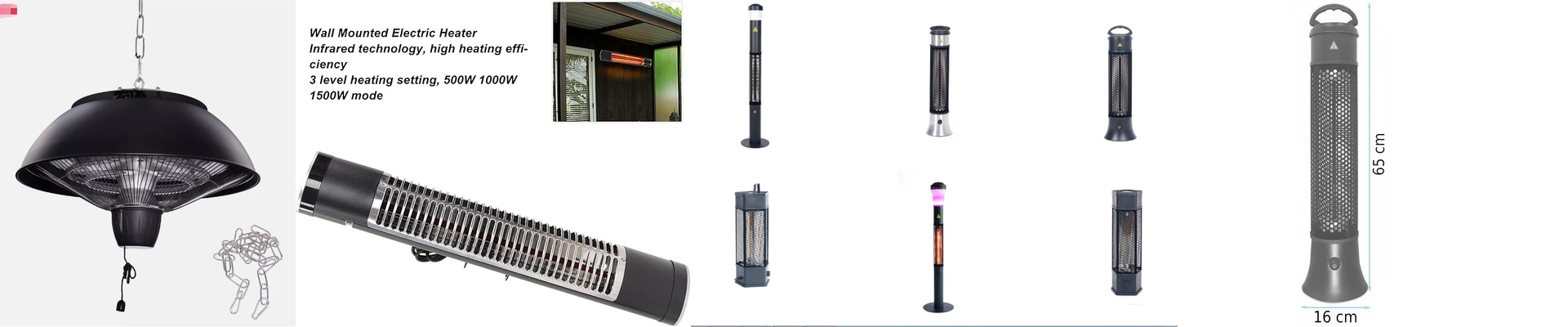
A smart home built for comfort shouldn’t have to chase sky-high energy bills. The frustration hits when the thermostat keeps pushing heat after you’ve stepped away from the desk—burning kilowatt-hours on warmth a space no longer needs. That’s where low heat inertia makes all the difference. What actually matters, technically Our desktop infrared heater runs on a carbon fiber element that comes up to temperature fast—and cools down fast. Oil-filled radiators tend to hang onto heat long after the call for warmth has ended; this design keeps up with the quick decisions of smart control. The payoff is precise, on-demand infrared warmth that targets people and nearby surfaces, not the air in the whole room. In a home smart energy setup, the real win is controllability. When the controller drops output, the element drops temperature with minimal lag, so you don’t get “overshoot.” You feel it at the desk—warm hands, relaxed shoulders—while the house draws less power. For households on a smart energy plan, that quick response keeps comfort high and waste low, especially when occupancy is in flux. Here are the practical points you need. Infrared warmth is directional, so aim the unit to hit your torso and feet—just don’t point it straight into eyes. Keep it on a stable, level surface and rely on the built-in tip-over protection. For the best smart-control behavior, pair it with a compatible thermostat or controller that can keep pace with the heater’s fast response. And because the element heats quickly, it’s at its best in small, well-defined zones—think desk, reading nook, or workbench—not in an open living room.