



Why Your Glass Keeps Breaking (And How to Fix It)
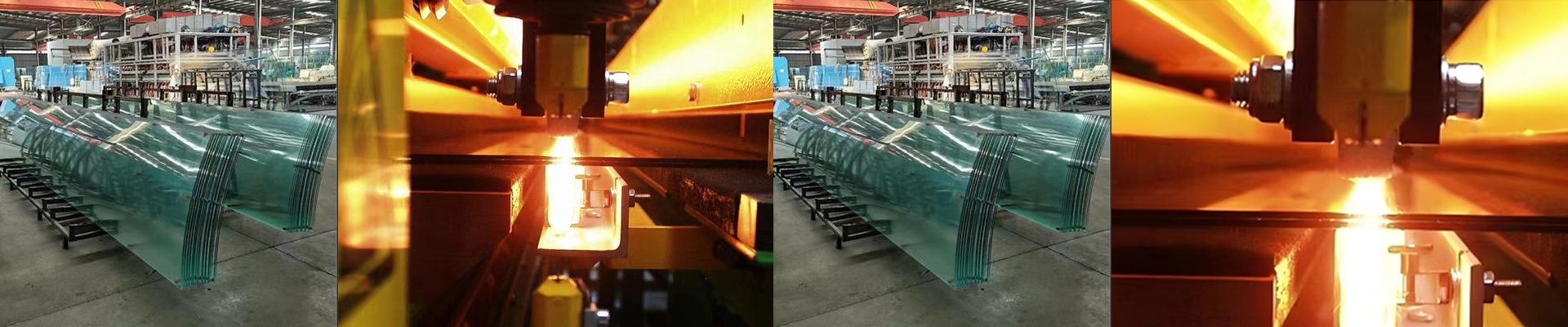
Ever wonder why one batch of glass comes out perfect, but the next has these annoying internal stresses that lead to cracks? Usually, it’s because of “cold spots.” Think about your heater. If your lamps aren’t putting out the exact same amount of heat, you get these uneven thermal gradients. In the world of glass, a tiny 5-degree difference across a sheet is enough to ruin everything. It’s a nightmare. We deal with this by obsessing over the consistency of the infrared (IR) lamps.
The Truth About Radiant Heat
Here’s the thing: most standard IR lamps aren’t identical. One might be pushing 105% power while the one right next to it is lagging at 95%. Your glass doesn’t care about the average; it cares about the gaps. If the heat isn’t hitting every single square centimeter of that surface equally, you’re asking for trouble. That’s why we tighten the tolerances on our lamps. We focus on the filament winding and the thickness of the quartz. Why? Because it stops those random hot spots from popping up along the tube. You get a flat, steady thermal profile. No more worrying about the edges being colder than the center.
Getting the Load Right
Depending on how thick your glass is, you’ll want either shortwave or medium-wave emitters. Shortwave digs deep into the glass. Medium-wave is more about stabilizing the surface. The trick is matching that lamp wattage to how fast your conveyor is moving. But a word of caution: if you crank up the heat density to push more product through the line, don’t forget your cooling zones. If you overload the radiant zone but leave the cooling ramp as is, you haven’t solved the problem. You’ve just pushed the stress point further down the belt.
Stop Chasing Your Tail
When your lamps actually match, your life gets a lot easier. You can stop messing with your PID controllers, trying to find some magical “sweet spot” that doesn’t exist. You just set the temperature, and it stays there—across the whole width of the belt. The best part? You stop scrapping the edges of every single batch. It takes the guesswork out of the day and turns a volatile, stressful process into something you can actually rely on.