Introduction
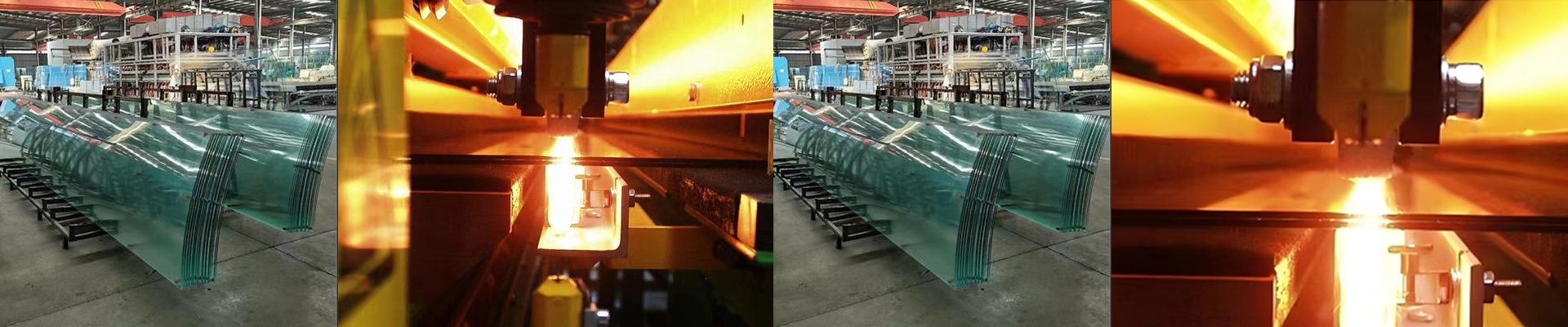
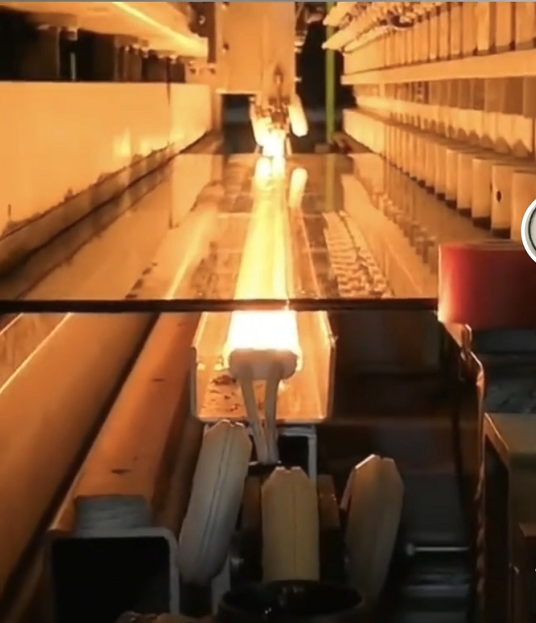
Let’s talk about a headache that’s been plaguing glassworks for years: annealing lehrs. You know the problem—those tricky, complex glass shapes that just won’t heat evenly. You get cold spots, and those cold spots mean stress in the glass. And stress, well, that means scrap. We built our medium-wave quartz heater tubes to fix exactly that. They blast focused infrared energy right where it’s needed, so even the weirdest shapes get a perfectly even anneal. No more guessing games, just consistent results, every single time.
Power, Size, and the Real Deal
Here’s the core of what makes these tubes work: it’s all about the balance of power, voltage, and length. Take a typical unit: 400V, 2500W. That’s a lot of power packed into a small space. Whether it’s a 300mm or 600mm tube, you get a sharp, focused thermal punch. It heats fast, and it hits deep—right into the folds and curves of a complex vessel—without scorching the area around it. But, and this is important, that kind of power needs the right setup. You’ll need a high-voltage circuit that’s properly rated for 400V. And because these tubes throw off serious heat, your lehr’s cooling system has to be up to the task. It’s a trade-off: intense heat for incredible precision, but you’ve got to plan for the extra warmth.
The Tube, From the Inside Out
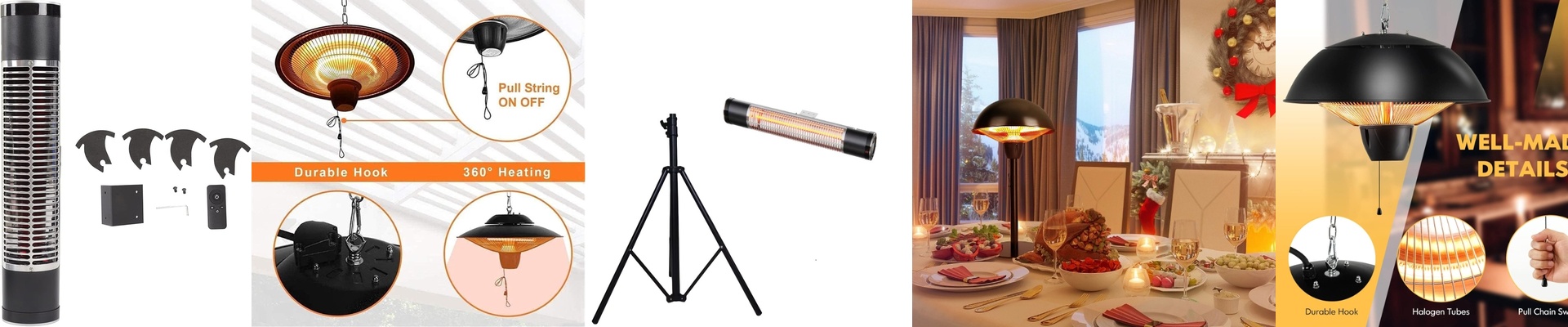
The quartz envelope is the star of the show. It lets the medium-wave infrared energy pass right through, so the heat goes straight to the glass, not into the tube itself. Inside, the halogen element keeps the output steady and reliable, no fluctuations. And the R7s connector? That wasn’t an afterthought. It’s a standard, bi-pin design that gives you a solid, vibration-proof connection. On a production line that’s constantly humming and shaking, that kind of stability matters. Plus, the coating on the tube is built to survive the harsh, chemical environment of a glass plant. It’s there to protect the tube from contaminants and prevent it from burning out prematurely. This thing is made to last.
The Payoff: Taming the Tough Shapes
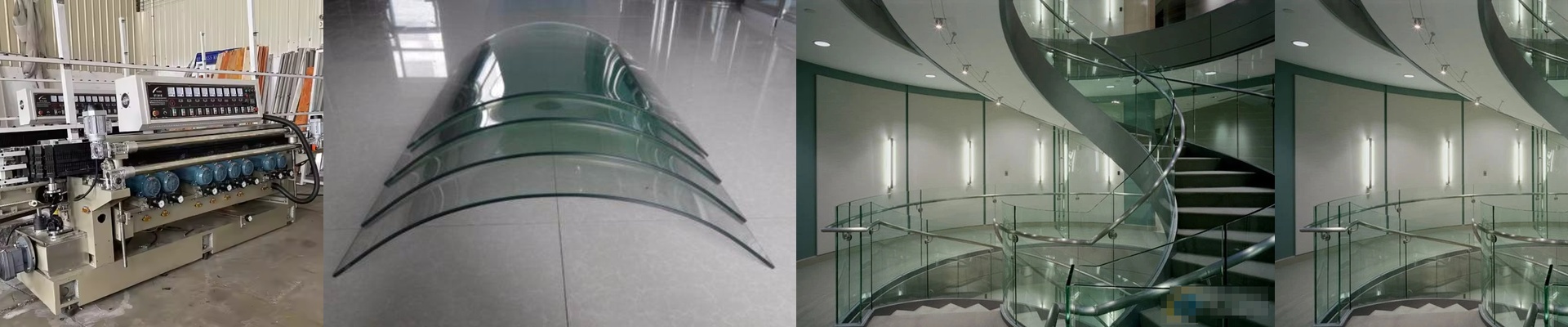
These tubes were born to solve the dead-zone problem for complex glassware. The medium-wave spectrum is just what glass absorbs best, so the heater can “see” and warm every surface, even deep inside a neck or handle. That direct energy transfer means you get a full, even thermal sweep without having to overhaul your entire heating zone. And because it uses the standard R7s connector, swapping one out is a simple drop-in replacement. No long downtimes. The result? A smoother annealing process, way less scrap, and consistent quality on shapes that used to be a nightmare to get right. We built these tubes to take a beating on the shop floor and deliver the heat, right where you need it.
A Quick Reality Check: Plan for the Heat
Let’s be honest—running a 2500W tube in a tight space creates a lot of ambient heat. It’s powerful, and that comes with a price. You absolutely need to make sure your surrounding equipment and the lehr’s airflow system can handle the extra warmth. If the cooling isn’t there, you’re risking the heater’s lifespan and the stability of your whole annealing process. So plan for it. Factor in the heat load. It’s just part of the deal, and it’s worth it for the performance you get.