
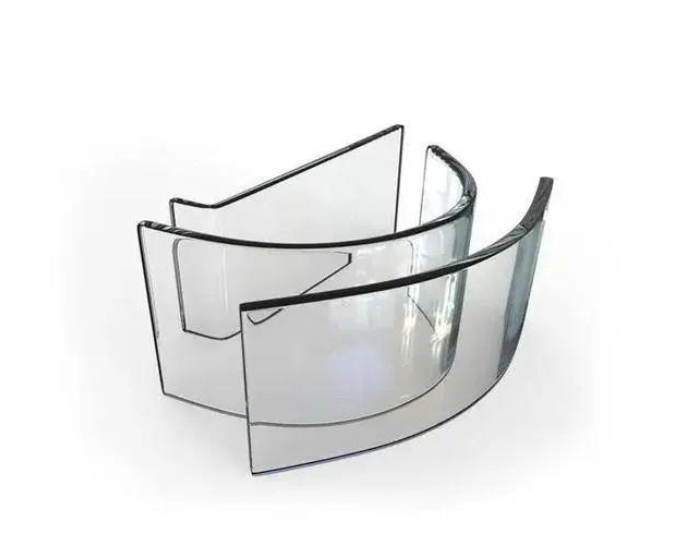
Why Infrared is the Only Path to Smooth Lamination
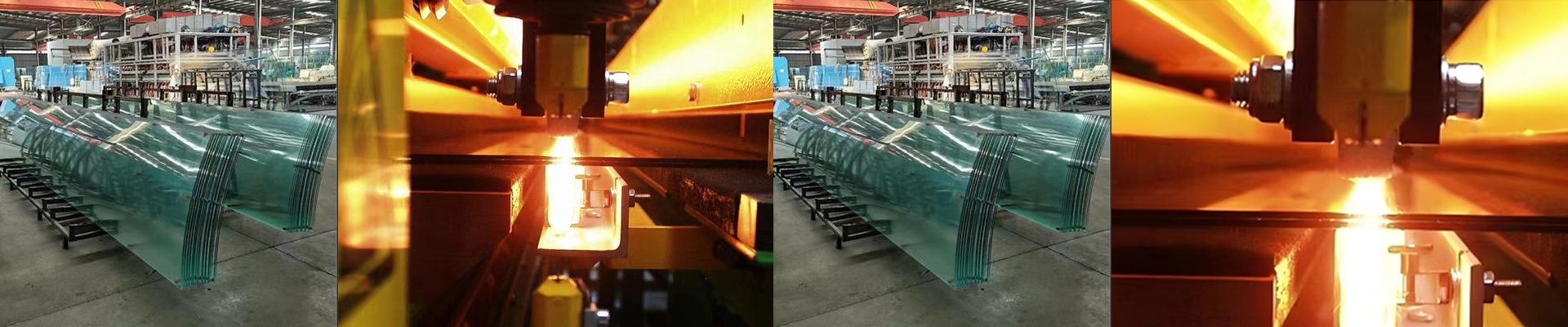
Let’s be honest—getting laminated glass right feels like walking a tightrope. You need to melt that PVB or EVA interlayer perfectly, without boiling the resin, and you’ve got to keep the whole line moving. Old-school convection ovens? They just miss the mark. They warm the air, not the adhesive, and that means uneven results and wavy glass. Here’s the fix: shortwave infrared halogen lamps. They send energy right where it matters—straight into the interlayer, hitting the adhesive interface. The payoff? A smooth, even melt. Deep fusion. And glass that comes out flat, bubble-free, and ready to go.
Power, Voltage, and Dimensions: Matching Energy to the Process
We size these lamps to pack serious heat into a small space. Typically, you’re looking at 400V and 2500W, focused into a 300mm active length. That combo gives you the watt density to melt adhesive fast—without scorching the glass. The idea is simple. The filament runs hot, radiating energy that the organic layers soak up directly. So you get a quick ramp-up, tight control, and cycles you can count on. But there’s a trade-off. A 2500W lamp throws off a lot of heat. So your fixture and cooling setup need to be ready for it. Plan for that ambient load, and you’re golden.
Material and Design: Why Halogen, Quartz, and R7s Matter
We stick with halogen because it keeps the filament running hot and steady. That means consistent infrared output, shift after shift. And the quartz envelope isn’t optional. It handles the shock of heating up and cooling down, staying clear and reliable through it all. As for the R7s connector, it’s not just a random pick. It gives you a solid, two-point, straight-line mount that handles high current and keeps the lamp perfectly aligned in the reflector. Alignment matters. If the lamp is off, you get hot spots and uneven curing. With R7s, you wire it, lock it, and the beam stays where you want it.
Application and Benefits: Speed, Control, and Line Integration
On the line, this lamp isn’t just a heat source—it’s the control center. Because shortwave infrared turns on instantly, you can sync the curing step with your line speed. Suddenly, curing stops being the hold-up and starts keeping pace. You get faster melting and deeper fusion, which means fewer rejects and less rework. The footprint is small, so it slips easily into existing presses or retrofits. These lamps are tough enough for the factory floor, but they still need care. Use proper fixtures, and plan your cooling to protect both the electronics and the people running the line. For glass lines that need a mirror-smooth finish, shortwave infrared halogen lamps are the practical way to get there. The energy lands exactly where you need it, at the speed you need, with the control you want.