Engineering for the Long Glass Line
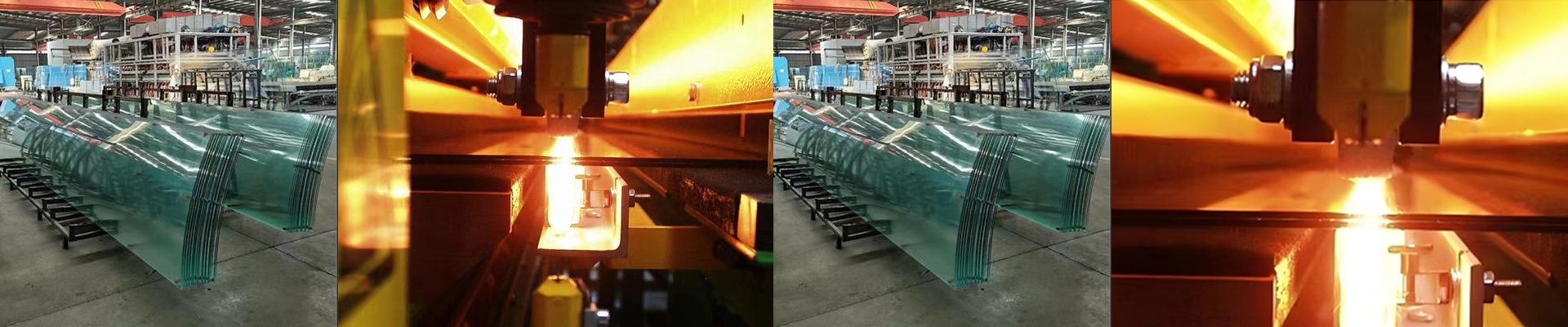
We built this glass insulation drying lamp for one reason: real-world long glass coating lines. The whole idea is simple—control the curing curve without chasing hot and cold spots. How? A zone-controlled infrared system that puts repeatable heat exactly where you need it, exactly when you need it.
Power, Voltage, and Footprint
The specs are straightforward. It’s a 400V high-voltage design, running at 2500W, packed into a 300mm tube. This isn’t about brute force. It’s about packing serious heat into a small footprint. Going with 400V drops the current draw, which keeps wiring and contactors from becoming a headache on a dense line. And that 2500W? It hits target temperatures fast—fast enough to keep the line moving. The 300mm length is intentional. It matches the pitch of many modular heating banks, so you can stack lamps and build zones that fit the product length and the cure profile you need. You get fast ramp-up and a stable hold. But plan for heat management. That 2500W density means your machine’s cooling and shielding have to be properly set up, so nearby components don’t get cooked.
Halogen, Coating, and the R7s Connection
Inside, we use a halogen-filled shortwave infrared source in a quartz envelope. The halogen chemistry keeps the filament stable through repeated heating and cooling, so output stays consistent shift after shift. The quartz tube handles rapid on/off cycles without cracking under thermal shock. We also apply a reflective coating to push energy forward, so less heat is wasted toward the lamp body and fixtures. That boosts efficiency and eases the load on your cooling. Then there’s the R7s connector—the mechanical anchor. It gives you a solid, two-point mount that aligns the tube quickly and holds steady even when things vibrate. Wire it once, and it stays put. And when it’s time to swap a lamp? It’s a straight drop-in replacement—no realigning the whole bank.
Application: Curing Curve Control in Zones
On a long glass line, you have to treat the curing curve like something you can steer. Split the line into zones and give each zone its own lamp set. Independent control lets you ramp up at the entry, hold at the peak, and cool down at the exit. You match the coating chemistry without overheating the glass. The payoff is consistency—and fewer scrapped pieces from uneven cure. You also get flexibility. Change zone temperatures to match new coatings or line speeds without ripping out the whole heating system. Yes, more zones mean more controllers and more thermal load to manage. But if precision matters, zone-controlled infrared is the way to spec the line.