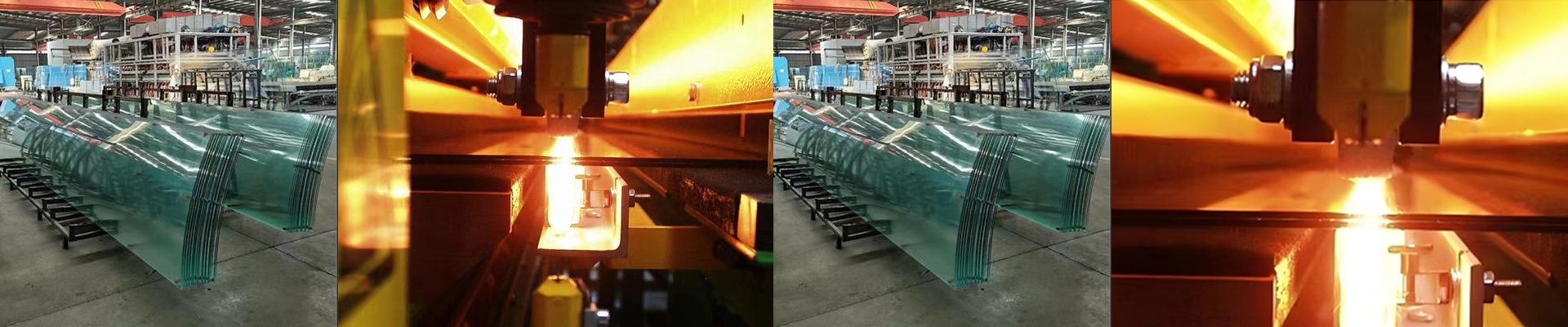
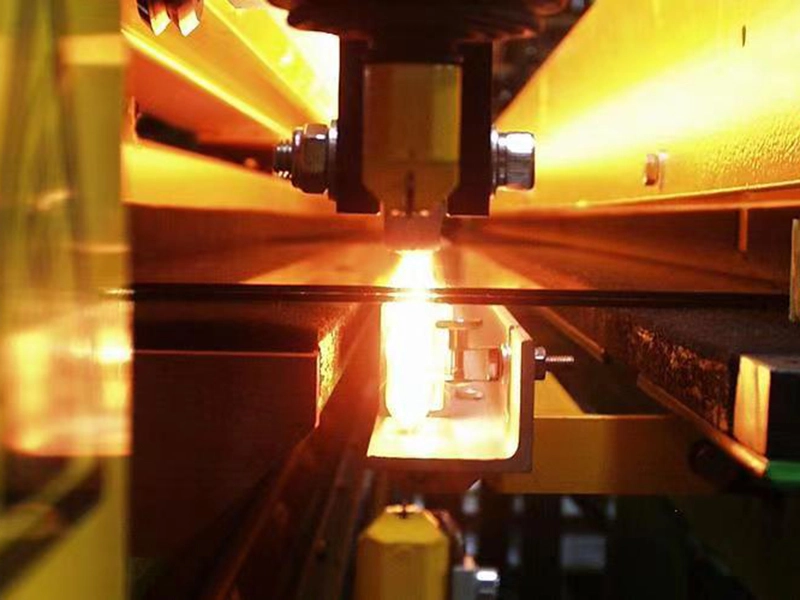
On the forming line, a gob that lands too cool will stretch unevenly. One that’s too hot will sag in ways you can’t plan for. Either way, you’re burning material, slowing the press, and setting up stress concentrations that show up later as breakage. We built the gob heating infrared lamp to take the guesswork out of that. The heart of it is short-wave infrared in a quartz envelope, tuned to heat glass gobs fast—volumetric, not surface-only. The response is quick enough to adjust within a single cycle, and the heat stays on the glass, not the surrounding frame, because convection is kept to a minimum. It runs on standard industrial voltages, and the output density is matched to the gob mass and cycle times you see in automotive and architectural glass forming. The payoff is a stable thermal profile from gob to press, which keeps viscosity consistent and cuts down on thermal shock. This matters when yield is measured in seconds and scrap in tons. When gob temperature stays consistent, you see fewer rejects from uneven thickness and fewer annealing-related fractures downstream. Energy use drops, too, because the lamp heats on demand instead of keeping a big furnace hot all the time. You can tighten cycle times without gambling on cold shots. Installation is straightforward. The unit is designed as a direct fit, and we provide adaptable mounting and connector options to match existing glass machinery brands. You can swap in the heating module without reworking the machine footprint. One practical note: the lamp performs best with a clear line-of-sight and clean reflectors. Keep the path clear, and in dusty or humid plants, schedule periodic inspections.