Introduction
We built this shortwave infrared heating lamp for one reason: to nail ultra-high temperature curing on special fire-resistant glass coatings. Transfer printing on glass is a beast—you need heat that spikes fast, drives deep into the coating, and stays rock-solid without warping the glass. So we engineered a shortwave infrared system that packs extreme heat density and gives you precise control, because specialty glass processing doesn’t have room for “good enough.”
Power, Voltage, and Size: The Setup That Makes It Happen
We went with a 400V high-voltage setup because you need serious power to ramp up temperature quickly. The lamp runs at 2500W across a 300mm tube, so you get a ton of energy packed into a small space—exactly what deep curing demands. It’s not overkill for show. It’s a smart trade-off. That high wattage density hits your target temperature fast, but it also means your cooling and power distribution need to be up to the task. If your enclosure can’t shed heat properly, the lamp and electronics will run hotter than they should.
What It’s Made Of: Halogen, Quartz, and the Details That Matter
Inside, you’ve got a halogen-filled shortwave infrared element, all housed in a quartz tube. Quartz handles sudden temperature swings and stays steady even at extreme heat, while the halogen cycle keeps the filament performance consistent over long runs. We also protected the glass-to-metal seal with a coating that stands up to thermal stress, so the weak spots don’t become failure points when the heat hits hard. For the electrical connection, we use R7s connectors—solid, industrial-grade, and ready for real-world use. And the best part? It’s a drop-in replacement for standard R7s fixtures, so you can install it without redesigning your mount.
On The Job: Transfer Printing on Glass, Done Right
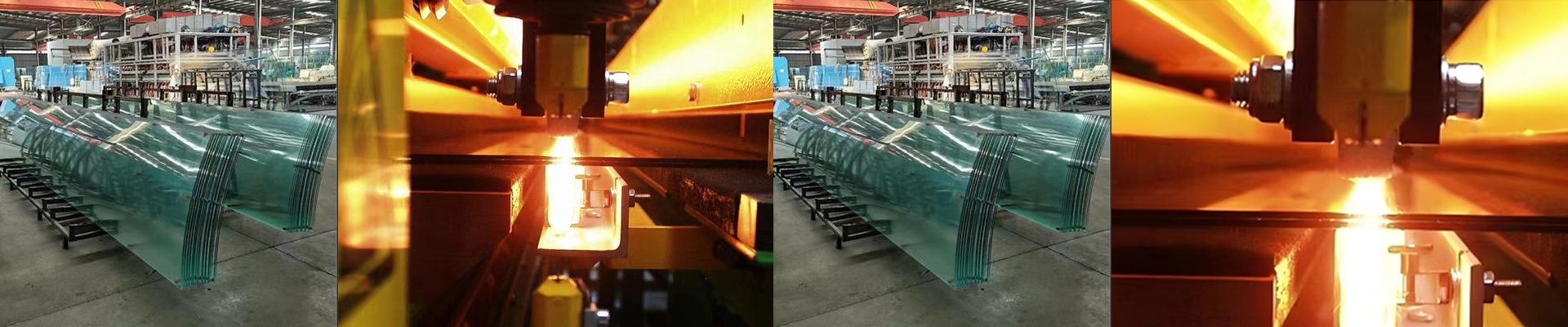
When you’re running a transfer printing dryer for glass, this lamp delivers the ultra-high temperature curve you need to fully cure those fire-resistant coatings. The shortwave output penetrates the printed layer efficiently, so you don’t get surface-only drying and risk under-curing. The payoff is a process you can count on—stable temperature across the glass, every time. For engineers, that means fewer rejects, faster cycles, and a lamp that keeps up with the heat swings of continuous production.