
Stop Throwing Away Your Towel Rails
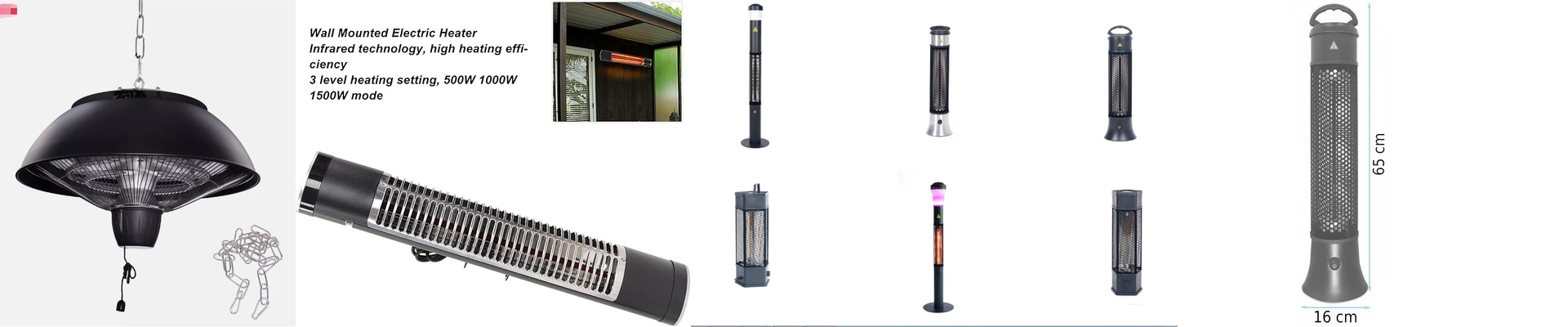
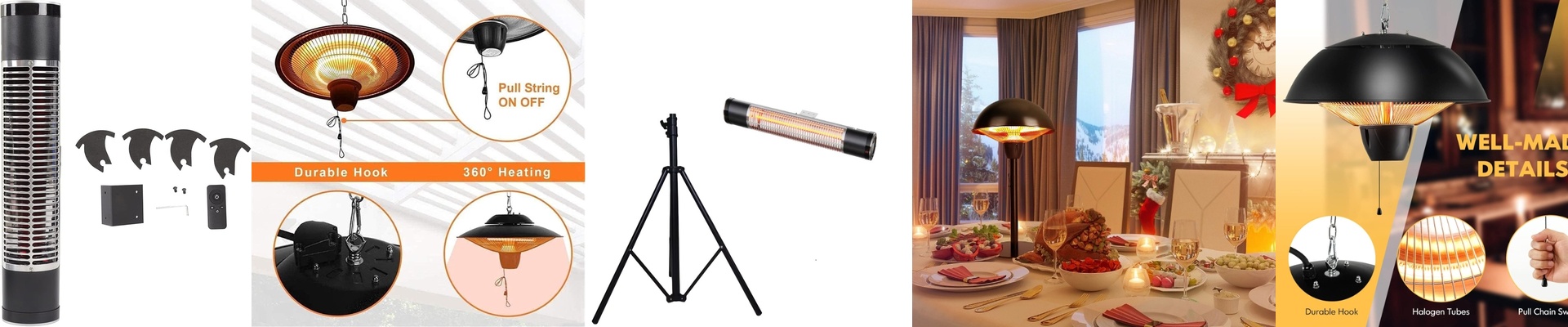
Most towel rail heaters are basically disposable. They’re built as sealed units, which means the second a heating element burns out—usually around the five-year mark—the whole thing is trash. You scrap the entire fixture just because one little part quit on you. We thought that was crazy. So we did something different. The “Plug-and-Play” Approach Instead of welding everything together into one permanent block, we went with a modular infrared setup. Think of the heating element like a lightbulb. When it goes, you don’t buy a new lamp; you just swap the bulb. We did the same thing here. If a tube fails, you don’t have to rewire the bathroom or hunt down a specialized contractor. You just pull the dead module out and drop a new one in. Simple. Real-World Maintenance Here’s the thing: thermal cycling eventually wears down filaments. It’s just physics. That’s why we designed our connectors to be easy to reach. You don’t have to rip the mounts off the wall or spend an hour dismantling the hardware. You can swap those infrared tubes in a few minutes. It saves you from the headache of a full replacement. The Honest Trade-off Now, nothing is perfect. Modular designs mean more connection points than a welded system. More joints can mean more places for things to go wrong, like voltage drops or corrosion. To fix that, we used reinforced terminals. But a quick tip: just double-check the torque on those connections during your first yearly service. It takes a second, but it keeps everything humming. Why This Actually Matters If you’re managing 50 units across a hotel or a gym, you don’t have time to play “rip and replace” every time a tube dies. Swapping a single module costs a fraction of a full install. No heavy labor, no holes in the wall, and no unpredictable repair bills. It just makes the upkeep boring—and in facility management, boring is exactly what you want.