


Why Your Patio Heaters Keep Shorting Out (And How to Actually Fix It)
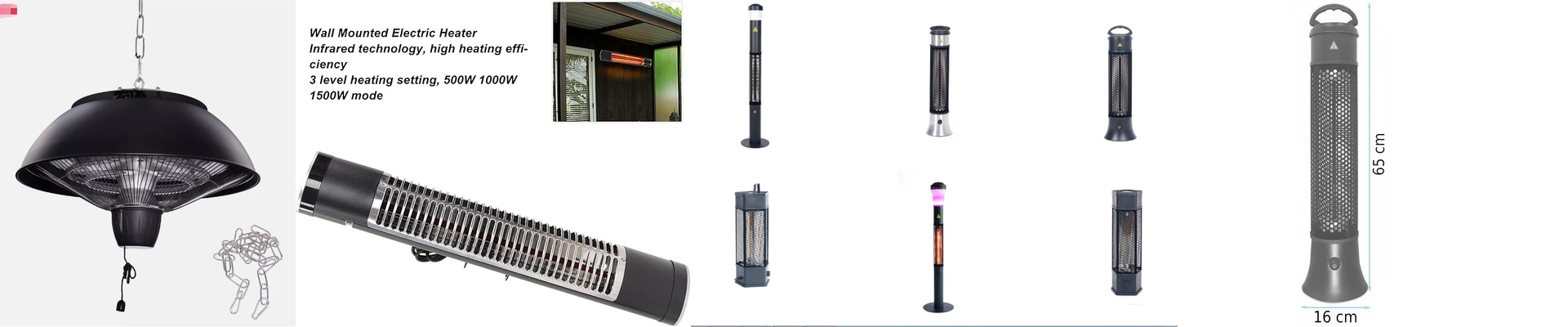
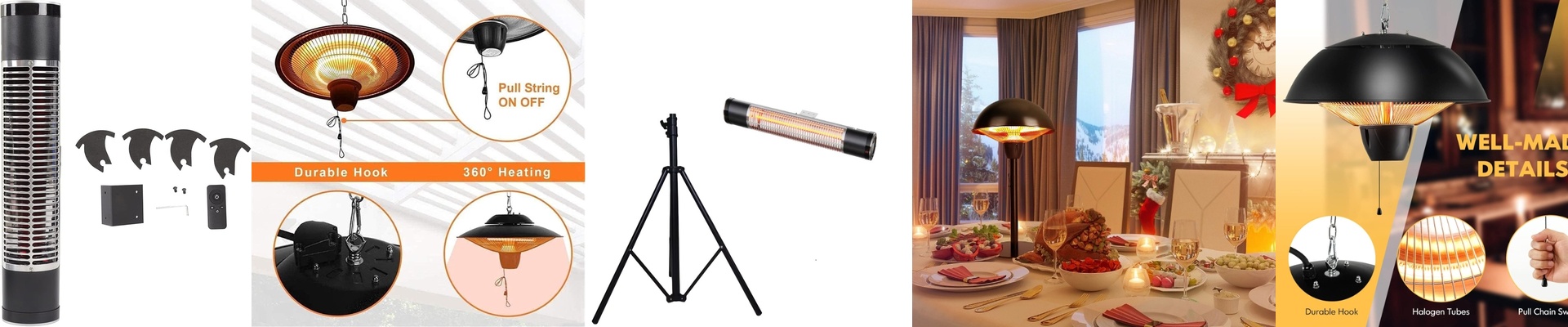
If you’ve ever run a nightclub patio, you know the deal. It’s a brutal place for gear. You’ve got high-wattage infrared heaters fighting a constant battle against rain, humidity, and those wild temperature swings. Here is the secret: most of the time, the heating element itself is just fine. The real disaster happens at the lead-wire junction.
The hidden problem with the seal
Most lead-wire seals are just… weak. They aren’t designed for the way these heaters actually work. Think about it. One minute the heater is cold, and the next, it’s screaming hot. The quartz tube and the copper wire expand at different rates. If the sealant isn’t top-tier, it can’t keep up. It shrinks. It cracks. And that’s where the trouble starts. Water vapor finds those tiny micro-cracks. Once moisture hits a high-voltage line while it’s heating up, everything turns to carbon. You get a leak, then a pop, and suddenly you’ve got a dead heater and a frustrated customer. Cheap OEM parts usually just use basic silicone that burns out after a couple of seasons. We do things differently. We use a multi-stage process with high-temp ceramics and specialized resins to lock that wire in tight.
Why the “cheap” way fails
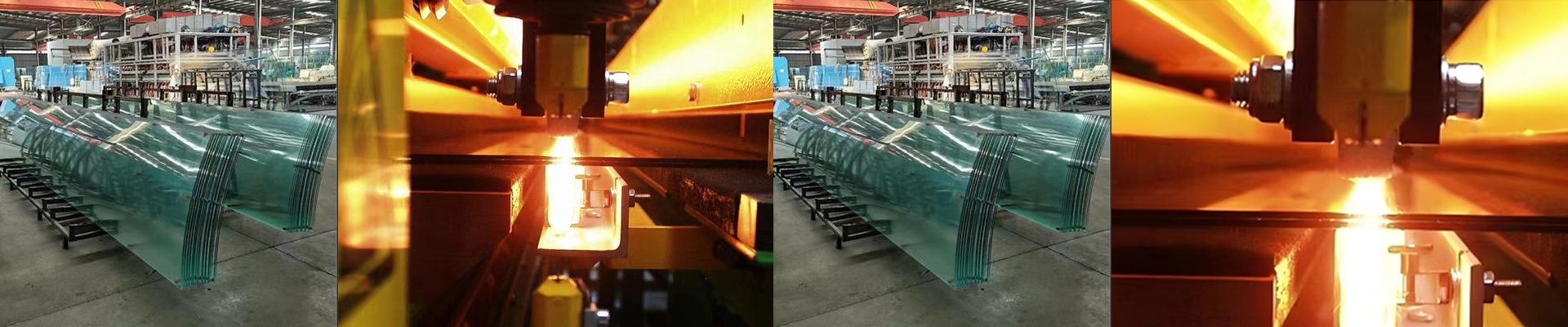
A lot of manufacturers use a “dip-and-dry” method. It looks great on the assembly line, but it falls apart the moment it hits a rainy Tuesday in November. Real industrial sealing takes a bit more effort. It requires precise pressure and a vacuum process to suck out every single air bubble. Why? Because air bubbles are the enemy. They expand when they get hot, creating the exact gaps that let water sneak in. Our seals are built to handle a steady 300°C without getting brittle. It means the wire stays put, even when the metal is shifting and moving from the heat.
One quick heads-up
There is a trade-off here. Because our seals are so much tougher, the lead-wire is a bit stiffer. Don’t try to bend these wires at sharp angles during installation. If you kink the wire too hard, you might crack the seal, which basically ruins the whole point of having a waterproof spec. Just give it a generous loop when you wire it up. Keep the stress off the junction, and it’ll last you a long time.