

Why we put our bathroom heaters through the “steam chamber”
Let’s be honest: bathrooms are a nightmare for electronics. You’ve got wild temperature swings and enough humidity to make a rainforest feel dry. If you just throw a standard infrared lamp in there, it’ll probably give up the ghost in a few weeks. That’s why we don’t just build these things and hope for the best. We put them through “damp-heat aging tests”—which is basically a fancy way of saying we try to kill them in the lab so they don’t die in your house.
The battle between water and quartz
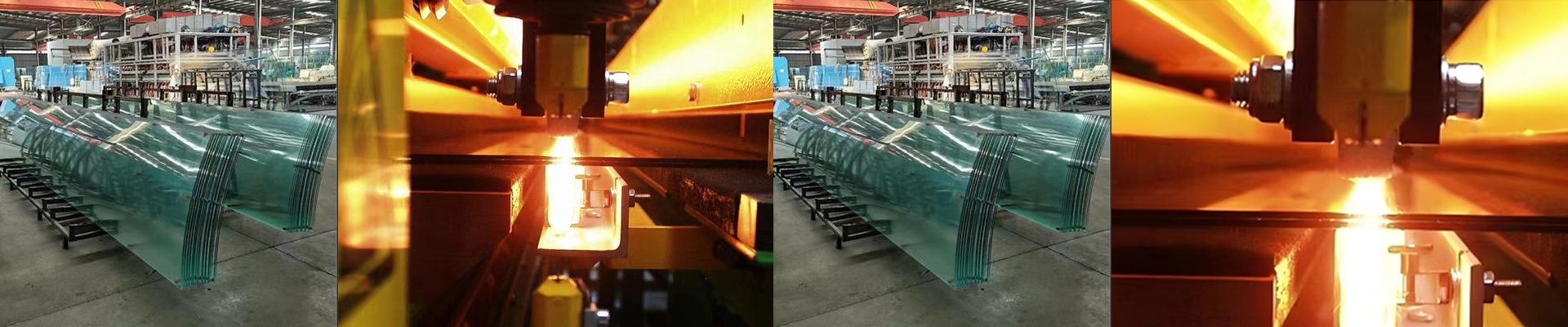
Most mirror heaters use shortwave infrared quartz tubes. Quartz is fantastic for moving heat, but it has a weakness: the seal where the glass meets the metal. Here’s the thing. In a steamy bathroom, water vapor finds every single microscopic gap it can. Once that moisture sneaks past the seal and hits the tungsten filament? Boom. It oxidizes instantly, the filament snaps, and your heater is now a very expensive piece of dead glass. We use controlled chambers to simulate years of steam in a fraction of the time. If a seal is going to fail, we want it to happen on our factory floor, not inside your customer’s wall.
Dealing with the heat (and the stress)
Mirror heaters are small, but they have to work hard to clear fog quickly. This creates a weird situation where the center of the tube is scorching hot while the ends are relatively cool. That constant expanding and contracting—while the whole unit is dripping wet—puts a ton of mechanical stress on the wiring. And if the insulation isn’t exactly right? You get leakage currents. That’s a safety risk, and that’s just not an option for us.
The honest trade-off
To make these seals bulletproof, we have to use thicker adhesives or specialized bonds. But there’s a catch. These tougher seals can make the heater take a few extra seconds to reach full temperature. It’s a slight delay. We’ve decided that a couple of extra seconds of warm-up is a fair price to pay for a heater that doesn’t short out after six months. We’ll give you the data, and you can decide if that extra lifespan is worth the wait. (Spoiler: it usually is.)