Getting Your Glass Lehr Tunnels to Actually Stay Hot
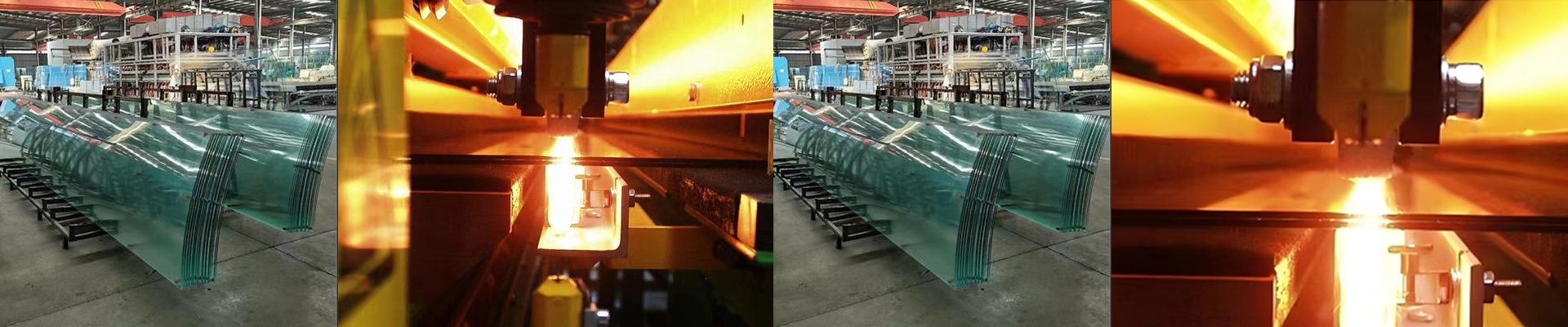
When you’re dealing with massive glass lehr tunnels, the biggest headache is usually the “cold spot.” It’s frustrating. You’ve got a huge surface area to cover, and if your thermal profile isn’t dead-on, you’re looking at ruined batches. Most standard infrared lamps just can’t handle the distance. Once you try to cover a span longer than 2 meters, things start to fall apart. That’s where we come in. We build custom, continuous infrared units that actually do what they’re supposed to do for large-scale annealing and tempering. The struggle with length Here’s the thing: most off-the-shelf lamps stop at 1 meter. Now, you could just string a bunch of small bulbs together, but that’s a mistake. You’ll end up with gaps, and gaps mean thermal streaks in your glass. We do it differently. We use high-wattage quartz tubes with filament lengths tailored to your specific setup. This keeps the heat density flat from one end to the other. No gaps. No streaks. Just a smooth, steady wall of heat. The nitty-gritty on power and physics Running these ultra-long elements isn’t as simple as plugging them in. You have to deal with voltage drop. We build our units to handle industrial voltages so the current stays manageable and the heat stays consistent. Plus, we can tune the wattage per meter based on how thick your glass is. And then there’s the physics of heat. Quartz expands. A lot. When a 2-meter tube hits operating temperature, it grows. If you clamp it down tight, it’s going to snap the second it heats up. It’s a loud, expensive mistake. To fix this, we use special mounting brackets that let the tube “float.” It moves as it breathes, which keeps everything intact. Getting it installed (and a word of caution) We designed these to be drop-in replacements. If you’re moving away from old gas-fired systems or weak electric ones, the wiring is pretty straightforward. But there is a catch. If you pump 50kW of heat into a tunnel, that heat has to go somewhere. If your exhaust system can’t pull that ambient heat out fast enough, you’re going to fry your control electronics. Before you crank the power, just make sure your cooling zones are up to the task.