Getting Glass Annealing Right Without Stopping the Line
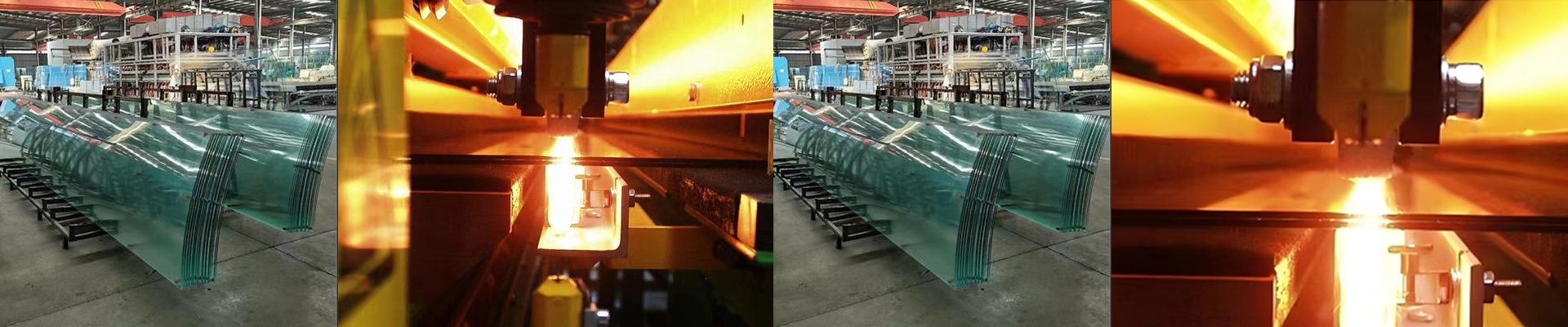
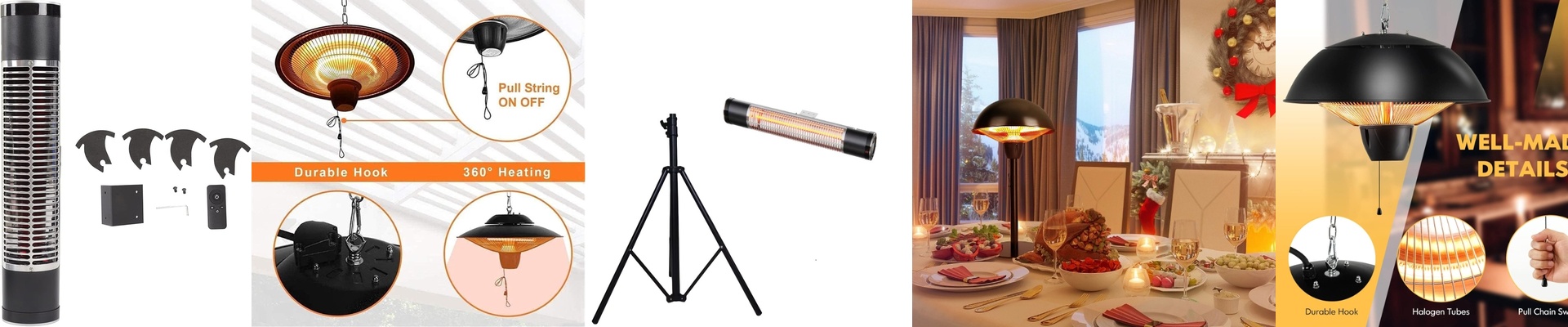
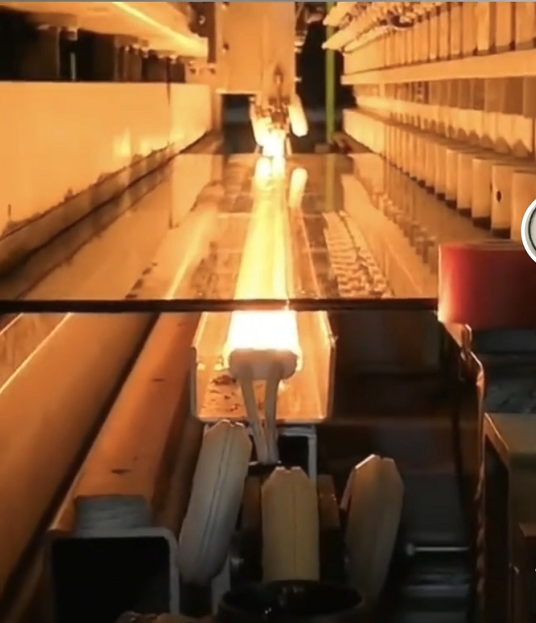
If you’re trying to anneal glass on a moving line, you can’t be waiting around for your heaters to “warm up.” Standard resistive heaters are just too slow. They lag. That’s why we lean on shortwave infrared (IR) lamps. Instead of relying on convection—which is basically just heating the air—these lamps use radiation. The heat hits the glass surface the second you flip the switch. It’s instant.
Why speed is everything
In a continuous setup, any kind of thermal lag is a nightmare. When your heating element takes minutes to get up to temp, you’ve got a problem. You either end up with a bottleneck that kills your productivity, or worse, you get uneven stress in the glass. Shortwave IR lamps hit full power in seconds.Seconds. That means you can actually push your line speed faster without worrying. Plus, you can tweak things on the fly. If your glass thickness changes or the belt speed fluctuates, you just adjust the voltage to change the heat flux. It keeps everything consistent across the whole batch.
The “Sweet Spot” for Distance
Here is where things usually go sideways: the gap between the lamp and the glass. If you mount the lamp too close, you’re asking for trouble. You’ll get “hot spots” that can crack the glass right then and there. But if you push it too far back, you’re just wasting energy heating the air around the glass, which forces you to crank the lamps to max power. We usually figure out the distance based on how many watts per square inch the glass needs. It’s all about finding that balance between raw intensity and the point where the glass starts to freak out from thermal shock.
Power vs. Cooling
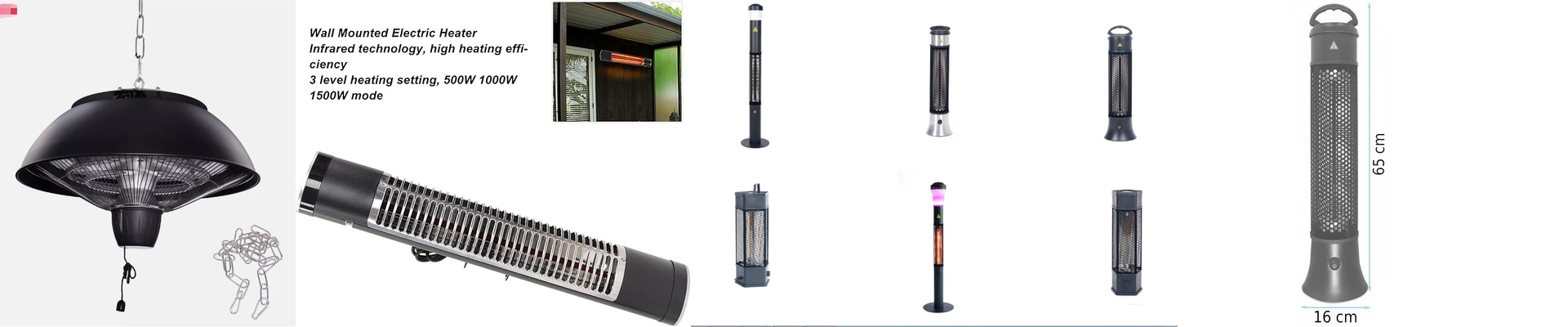
High-output IR lamps put out a massive amount of heat. It’s great for fast annealing, but it’s a lot for your hardware to handle. You have to make sure your cooling fans and heat sinks are actually up to the task. Remember, those lamps reflect energy back into the housing. If that housing gets too hot, you’ll fry your wiring or melt your sockets. Keep your airflow clear. It’s a simple fix, but it’s the difference between a system that lasts for years and one that burns out in a month.