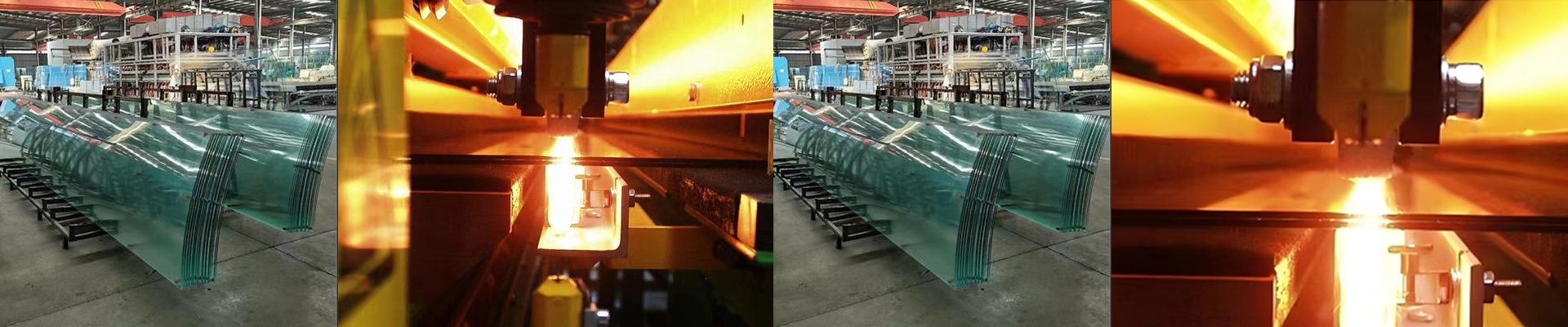
The Tug-of-War Between Sharp Prints and Strong Glass
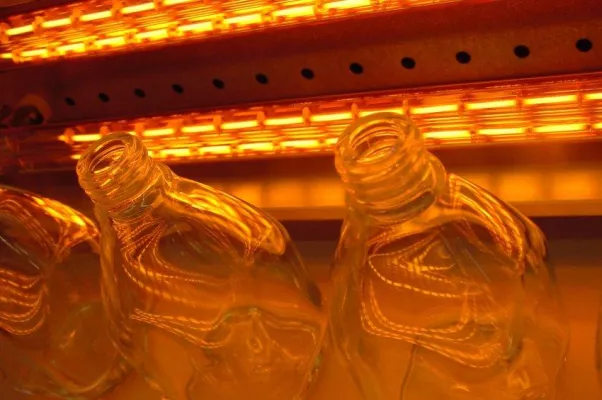
Here is the problem when you try to temper glass right after silk-screening: you’re fighting physics. You need a massive amount of heat to toughen the glass and kill those internal stresses. But if you leave the glass in the heat too long, or if the temperature climbs too slowly, your ink is toast. It burns. It bleeds. Your crisp lines suddenly look like a smudge. We use shortwave infrared (IR) lamps to stop that from happening. Why IR actually works Think of it this way: convection ovens heat the air, and then the air heats the glass. That’s too slow. IR is different. It shoots energy straight into the glass. We can hit those 600°C+ tempering temps in a matter of seconds. By tweaking the wattage and how the lamps are spaced, we can blast the glass with heat and get it moving quickly. Since the glass spends less time “dwelling” under the heat, the ink doesn’t have time to freak out. The lines stay sharp. Avoiding the “Burn” But you can’t just crank the power to max. If you’re too aggressive, you create a harsh thermal gradient. That’s a fancy way of saying the surface gets way hotter than the middle, which can warp the glass or leave you with uneven tempering. The trick is to zone your heating. I like to use high-density lamps to get the temperature ramping up fast, then switch to lower-wattage lamps for the “soaking” phase. This lets the core of the glass catch up to the surface temperature without scorching the ink off the top. The stuff they don’t tell you in the manual There are a few practical headaches you should watch out for. First, these high-intensity lamps are power-hungry. Make sure your electrical panels and breakers can handle that initial surge, or you’ll be tripping switches all day. Then there’s the heat. Not the heat for the glass, but the ambient heat around the machine. If your cooling fans are too small, the heat just soaks into your sockets and wiring. That’s how you get premature burn-outs. And one last tip: keep your reflectors polished. It sounds like a chore, but it matters. If your reflectivity drops by even 10%, you have to run the lamps hotter to get the same result. That puts way more stress on the filaments, and they’ll pop much sooner.