Stop Wasting Power on Your CNC Glass Annealing
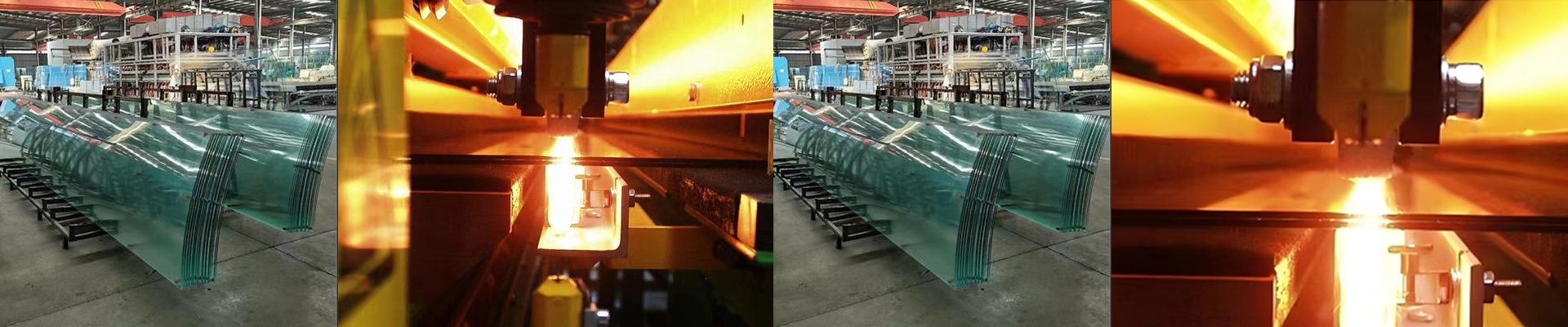
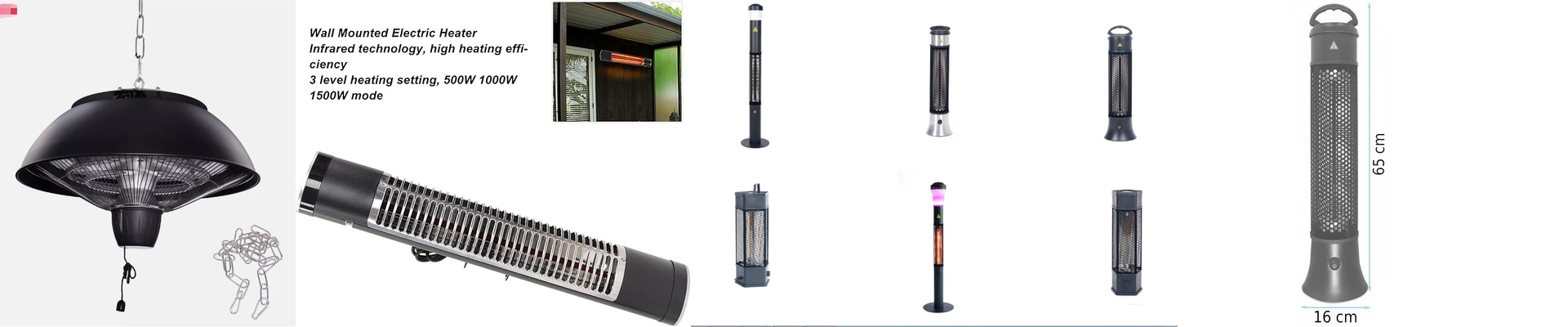
Let’s be honest: preheating glass is usually a power hog. Most lines just blast heat everywhere, warming up the entire machine frame and the air around it before the glass even feels it. It’s a waste of money and a lot of waiting around. We decided to fix that. We built our infrared (IR) lamps to hit the glass surface directly. No more heating up the whole shop just to get the job done. It cuts the lag and, more importantly, it shrinks your electric bill.
Why Shortwave IR Actually Works
Here is the secret: shortwave IR doesn’t mess around with the air. Instead of waiting for the air to get hot and then heating the glass (the slow way), these photons go straight into the material. It’s fast. Really fast. You hit those stress-relief temperatures in a fraction of the time, and the heat stays exactly where it belongs.
The Nitty-Gritty on Heat and Power
We designed these lamps to pack a punch. They have high-wattage output and high-density emitters, which means we can keep the footprint small without losing any power. By concentrating the heat, you aren’t accidentally baking your machine guards. But a quick heads-up: your power supply needs to be rock solid. If you get voltage spikes, you’ll fry the filaments. I highly recommend using a dedicated PID controller to dial in the power. If you don’t, you might overshoot your target temperature, and nobody wants to deal with thermal shock cracking their glass.
Getting Them Running (and Keeping Them That Way)
If you’ve already got a standard CNC preheating array, these are basically drop-in replacements. We used high-temperature quartz envelopes because we know glass shops are brutal environments. Just keep one thing in mind. Because these lamps are so concentrated, they get incredibly hot. Check your shielding and make sure your airflow is dialed in. If the housing isn’t vented, the heat builds up and your machine’s thermal cut-off will trip, shutting everything down right when you’re in the middle of a run. And please, keep the quartz tubes clean. A little bit of dust might not seem like a big deal, but it creates hotspots. Those hotspots lead to cracks. A quick wipe-down saves you a lot of headache later.