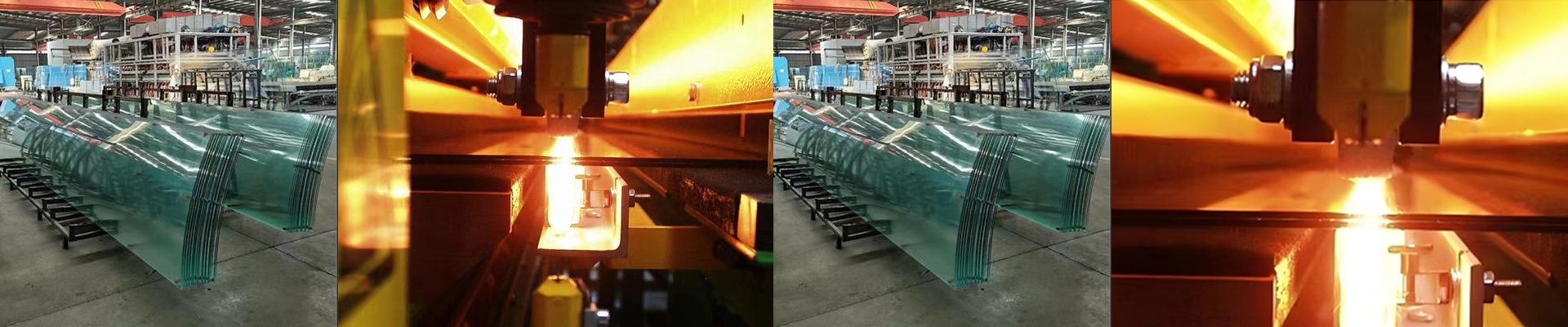
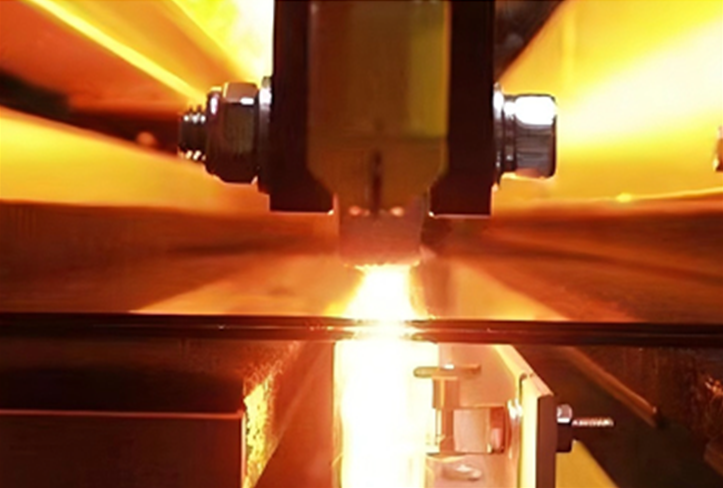
Getting the Heat Right for Glass Cutting
Most IR heaters are just… generic. They pump out energy, but a lot of it goes nowhere because the lamp isn’t “talking” to the material. If the emission curve doesn’t line up with the glass’s absorption peak, you’re basically just heating up the air in your shop. When we’re cutting precision glass tubes, wattage is only half the story. The real secret is the overlap. We look at the specific additives in your glass and match the lamp’s spectrum to those peaks. Why the chemistry matters Here’s the thing: different glass formulas—especially the ones with specific dopants—absorb heat differently. If you throw a standard short-wave lamp at a specialized glass, most of that energy just bounces off the surface. It’s frustrating and wasteful. We tweak the infrared spectrum to hit the exact spot where your material actually wants the heat. That way, the energy sinks straight into the tube wall. It’s the difference between a lukewarm breeze and a precise strike. The trade-off To get this kind of tuning, we usually have to mess with the filament composition or add specific quartz coatings. The upside? You get incredibly tight thermal control and your ramp-up times drop significantly. It’s fast. Really fast. But there’s a catch. These custom lamps are a bit more temperamental when it comes to voltage. If your power fluctuates, you’re risking a burnout. You’ll want a rock-solid, stable power supply to keep things running smoothly. Making it work on the floor We build these for the moments where you need a clean, stress-free break. By focusing the energy right on the absorption peak, you create a sharp thermal gradient. This lets you score and cut the glass without sending unwanted heat shivering through the rest of the tube. One last tip: keep an eye on your footprint. These high-density lamps pack a massive punch in a tiny space. Make sure your cooling fans and shielding can actually handle the heat, or you’ll end up warping your jigging. And for the love of your sanity, wire it up to a PID controller. It just works better.