
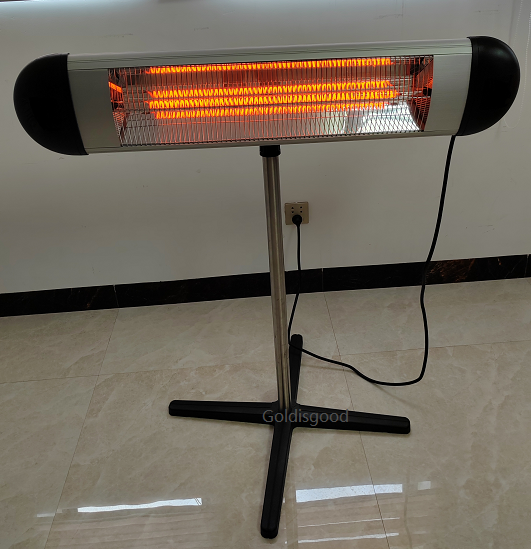
Don’t Roast Your Ceiling: A Quick Guide to Infrared Heater Clearance
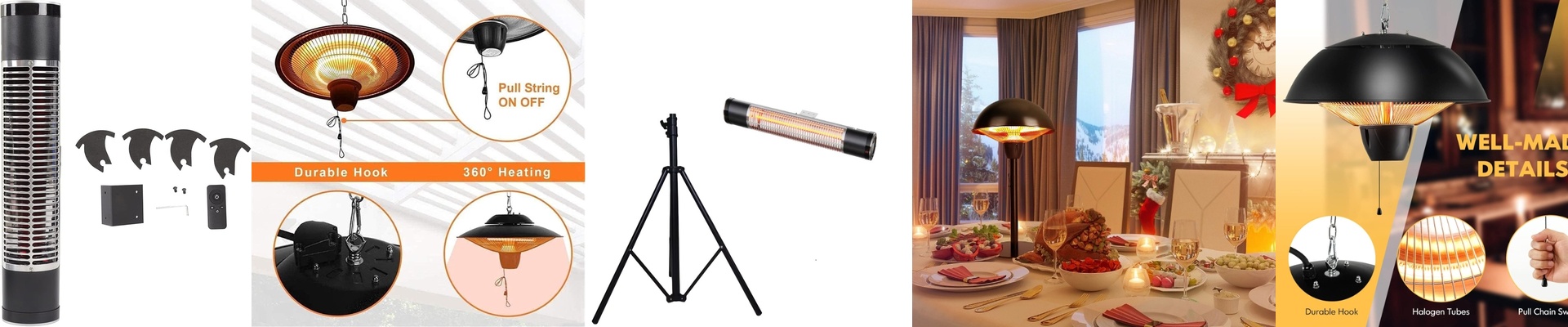
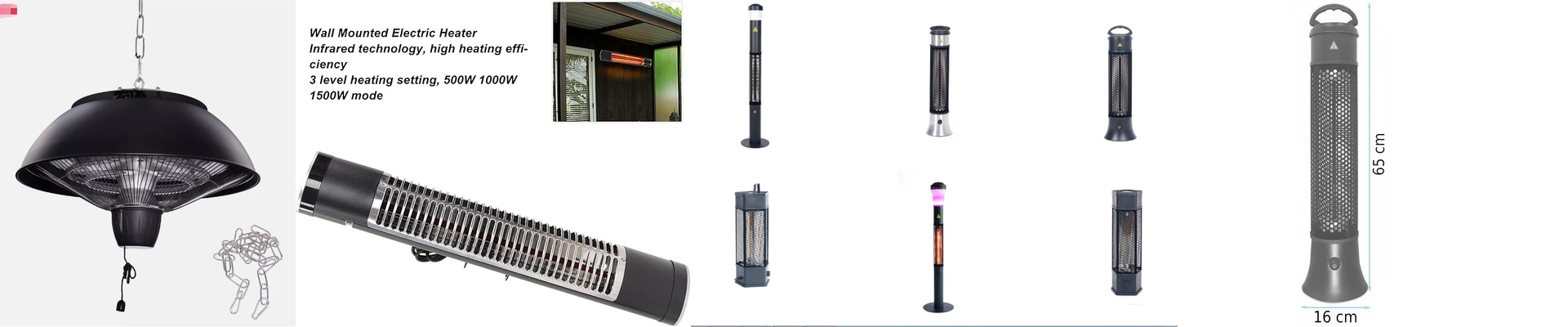
When you’re putting infrared heaters into a locker room or a changing area, you want that instant “wow” feeling. You know the one—where you step under the lamp and feel that deep, cozy warmth hit you immediately, without having to wait for the entire room to warm up. It feels like standing in the sun on a crisp autumn day. But there’s a catch. If you mount these things too close to the ceiling, you’re basically building a heat trap. The physics is pretty simple. Radiant heat moves in straight lines. If the heater is shoved up against the ceiling, that energy just bounces back or soaks right into the building. You’re paying for electricity that’s just heating up your rafters. Worse yet, you might end up with warped panels or weird discoloration on your ceiling. Usually, we suggest leaving about 1.5 to 2 meters of breathing room. If you’re using short-wave lamps, be even more careful. They pack a punch, and if they don’t have enough headspace, they’ll get too hot and shut themselves off just when you need them most. It’s all a bit of a balancing act. You want the heat hitting the people on the floor, not the dust in the attic. If you mount the heater too high, the warmth fades by the time it reaches the user. To fix that, you’d have to buy a more powerful unit, which means a bigger electrical bill. But if you go too low? You risk scorching the ceiling. I’ve seen a lot of engineers try to cheat the system with shields. Sure, reflectors help push the heat down, but they don’t stop the air around the unit from getting hot. That heat eventually drifts upward, so make sure your AC can handle the extra load. A few last things to watch for. Take a look at what your ceiling is actually made of. Drywall and those fluffy acoustic tiles don’t handle heat very well. If you’re really tight on space, go ahead and install some heat-resistant barriers to play it safe. And while you’re at it, double-check your wiring. These heaters can pull a lot of power when they first kick on, and you don’t want your conduits overheating inside the ceiling void.