
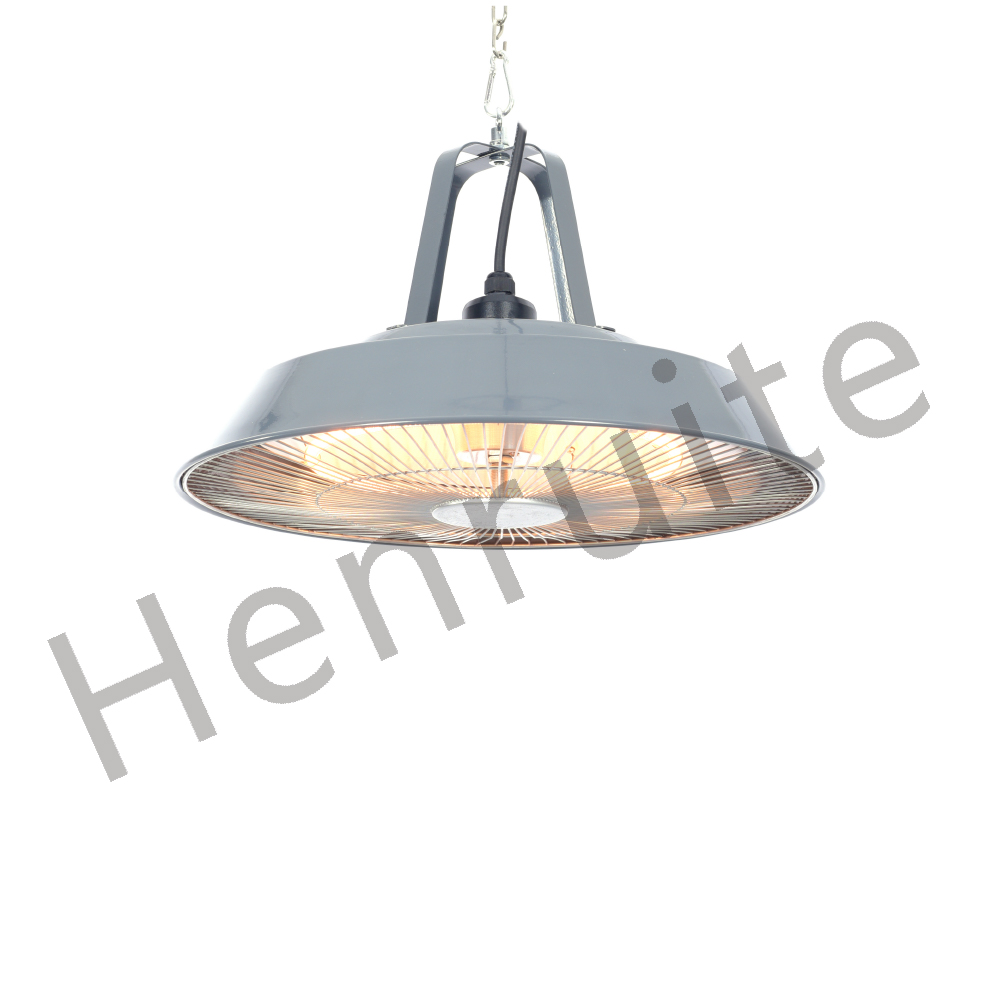
Getting the Heat Right in Your Bathroom
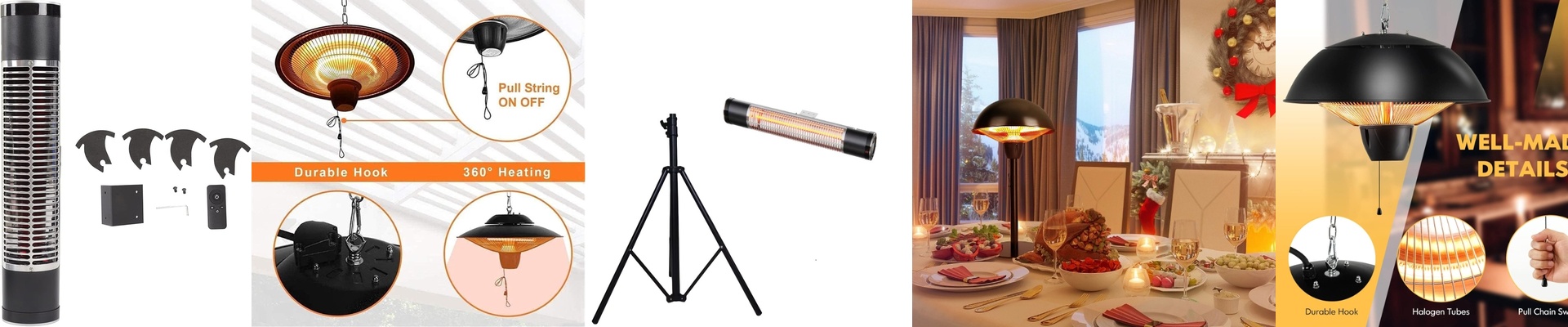
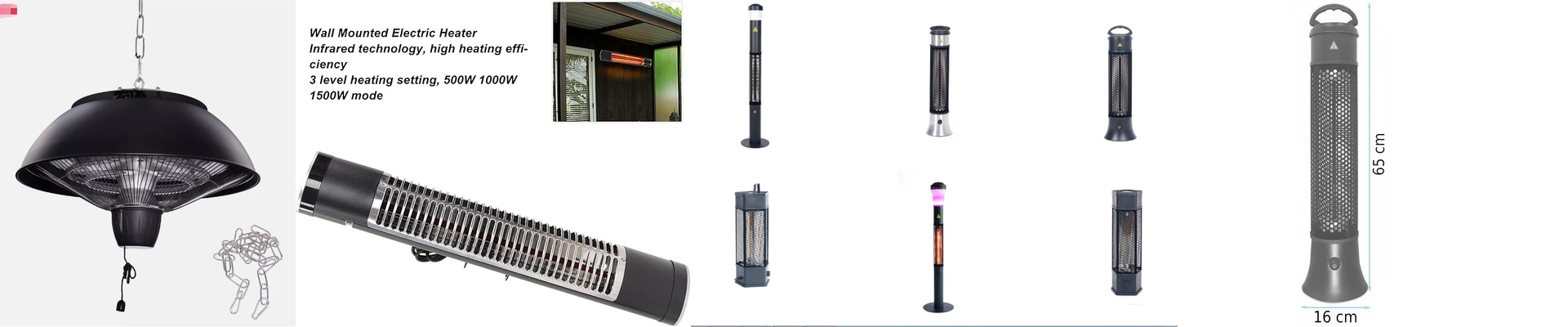
When you’re picking out infrared ceiling heaters, the temptation is to just grab the most powerful one on the shelf. But honestly? That’s usually a mistake. It’s more about finding that “sweet spot” where the heat actually reaches you without wasting a ton of electricity or turning your bathroom into a sauna.
Let’s talk about space
Think about the size of your room and how high your ceilings are. If you’re dealing with a tiny powder room, a smaller lamp—something around 250W to 400W—is usually plenty. But if you’ve got a big master bath, you have two choices. You can go with a higher wattage, or just install a few different heaters to make sure there aren’t any annoying cold spots. Here’s the thing: if you put a massive heater in a tiny room, you’ll feel like you’re standing under a heat lamp at a buffet. It’s too much. On the flip side, if you go too low, you’ll be dressed and out the door before you even feel a hint of warmth.
Where you put them matters
Infrared is different from a standard space heater. It doesn’t warm up the air; it warms you. It’s like feeling the sun on your skin on a crisp autumn day. Because of that, placement is everything. You want these things right over where you actually spend your time—usually the shower or the vanity. Keep in mind that high-wattage lamps create a tighter, more intense beam of heat. Lower-wattage ones are a bit softer and more spread out. Also, if you have those fancy high ceilings, you’ll need a bit more power to make sure the warmth actually makes it down to the floor.
A quick word on your wiring
More power means the room heats up faster, but it also puts more pressure on your electrical system. If you’re updating an older home, just double-check that your wiring can handle the load. There’s no point in installing a 1000W beast if a 400W unit does the job perfectly. It just wastes power and puts unnecessary stress on your circuits. Keep it simple.