
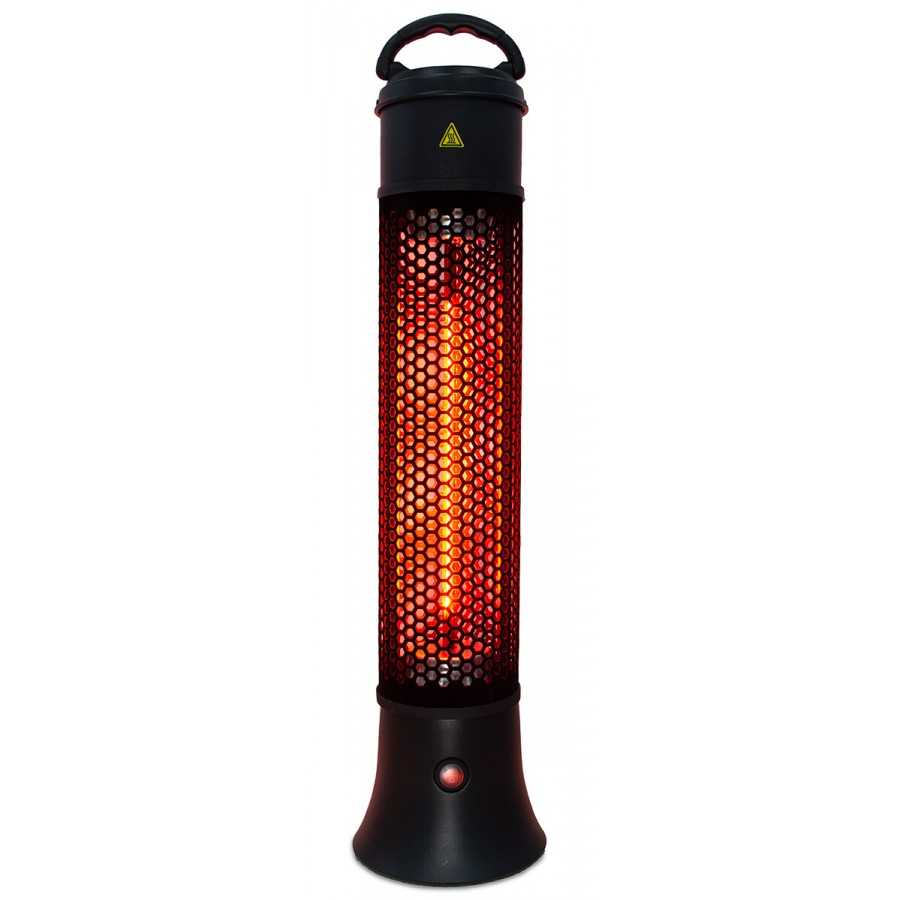
Keeping Things Warm (And Safe) With IP65 Quartz Heaters
If you’ve ever put a heater in a bathroom or any spot where things get damp, you know the real enemy isn’t just the cold. It’s the water. Water and electricity are a nightmare pairing. One little leak into the circuit and you’re looking at a short circuit or, worse, a total equipment meltdown. That’s why we don’t mess around—we use IP65 housings and explosion-proof quartz glass.
Why the “Explosion-Proof” Part Matters
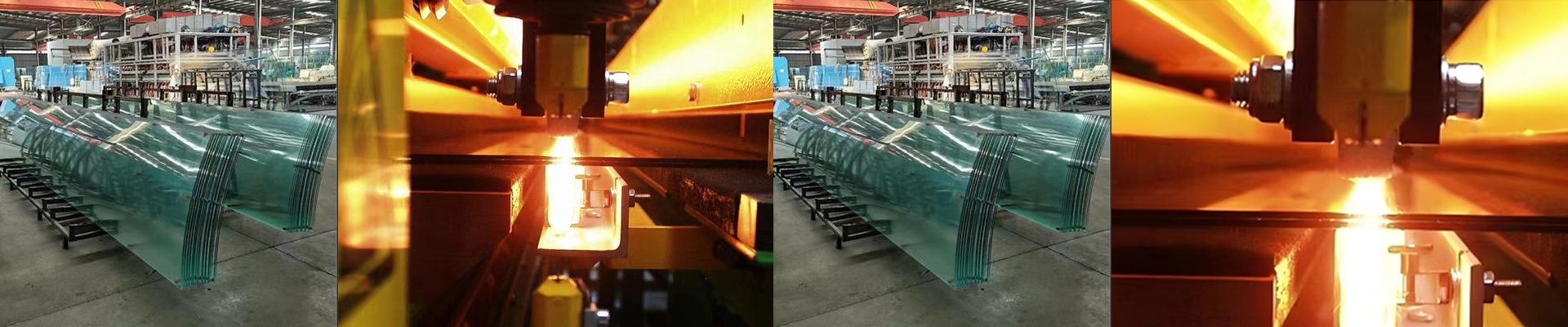
Here’s the thing about standard quartz: it’s temperamental. If a cold drop of water hits a red-hot tube, the glass can just… snap. It’s called thermal shock, and it’s a mess. We use a specific kind of quartz that can handle those wild temperature swings. But we also plan for the worst. Even if the glass does break, it’s designed so it won’t spray shards everywhere. The cool part? The quartz lets short-wave infrared heat pass right through. You get all that warmth without the glass itself getting so hot that it falls apart.
Staying Dry with IP65
When you see “IP65,” just think of it as a shield. It keeps the dust out and stops water jets from getting inside. We make sure the wiring entries and sockets are sealed tight so moisture never touches the live parts. But a heads-up: the gear is only as good as the install. If your grounding is sloppy or a connection isn’t crimped right, that IP65 rating won’t save you. I always suggest using high-temp silicone gaskets. They stay flexible and keep the seal tight even as the heater expands and shrinks every time you flip the switch.
A Few Things to Watch Out For
These heaters pack a serious punch in a tiny package. They get hot—fast. Because they’re so intense, you can’t just tuck them anywhere. Keep them away from plastics that melt easily or anything that could catch fire. If you cram too much wattage into a tight corner, you’ll just trip the thermal cutoff switches and end up with a cold room. Check your clearance space before you start wiring. It’ll save you a lot of headache later.