Getting the Light Right in Bathroom Heaters
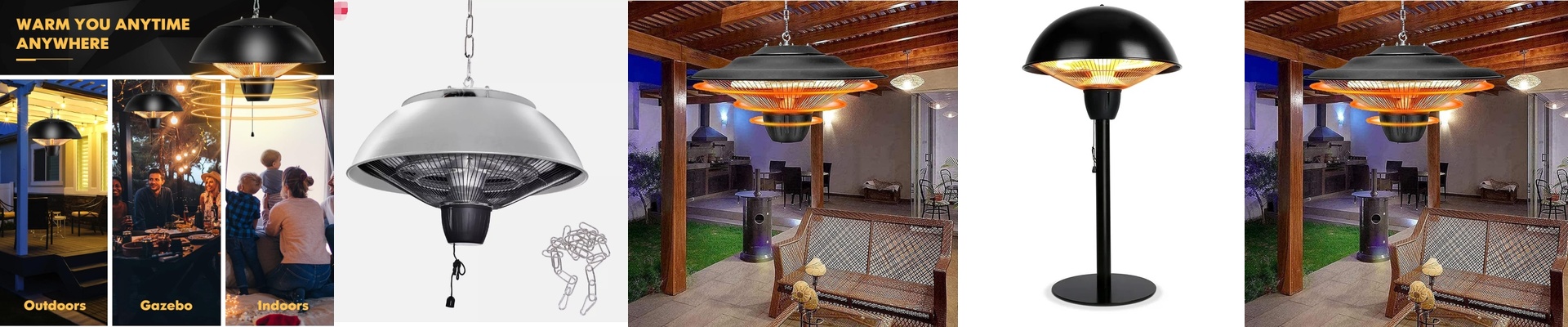
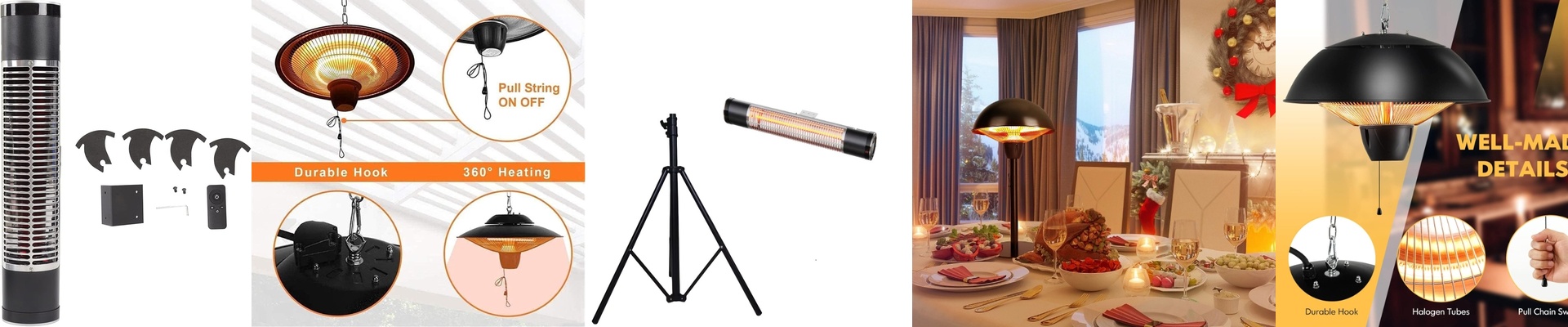
When we build infrared lamps for bathrooms, the biggest headache isn’t actually the heat. It’s the light. Standard short-wave lamps are blinding. Seriously. If you’ve ever looked at one, you know that harsh, stabbing glare. Now imagine that in a bathroom, maybe with a baby nearby. That kind of intensity is just too much for the eyes. So, we changed how the light behaves. Taming the glow To keep things safe, we add specific dopants or coatings to the quartz tubes. Think of it like a filter. It knocks out those high-frequency visible light peaks and the near-infrared spikes. We’re aiming for a “soft” light. This isn’t just to make the room look cozy—it’s about protection. We want the heat to soak into your skin, but we don’t want to overload your retinas. Keeping it cool (and lasting longer) We stick to low-to-medium wattage for a reason. If you cram a high-wattage tube into a tight ceiling mount where air can’t move, it’s going to burn out fast. We also use precision-wound filaments. This spreads the heat evenly across the whole tube. No “hot spots.” If the heat bunches up in one area, the quartz can actually crack, and then you’ve got a dead heater. The trade-off Here’s the thing: you can’t get something for nothing. By filtering out that harsh light to protect your eyes, you lose a bit of efficiency. You get a much gentler glow, but it takes a little longer to hit peak temperature compared to a raw halogen tube. You’ll just need to tweak your thermostat settings to account for that slower start. One last tip Make sure you wire these into a moisture-resistant housing. Even with the soft light, quartz is still fragile. And be careful with the mounting brackets—don’t squeeze the glass too tight. If there’s too much mechanical stress on the tube, the humidity will find a way in, and your failure rate will shoot up.