
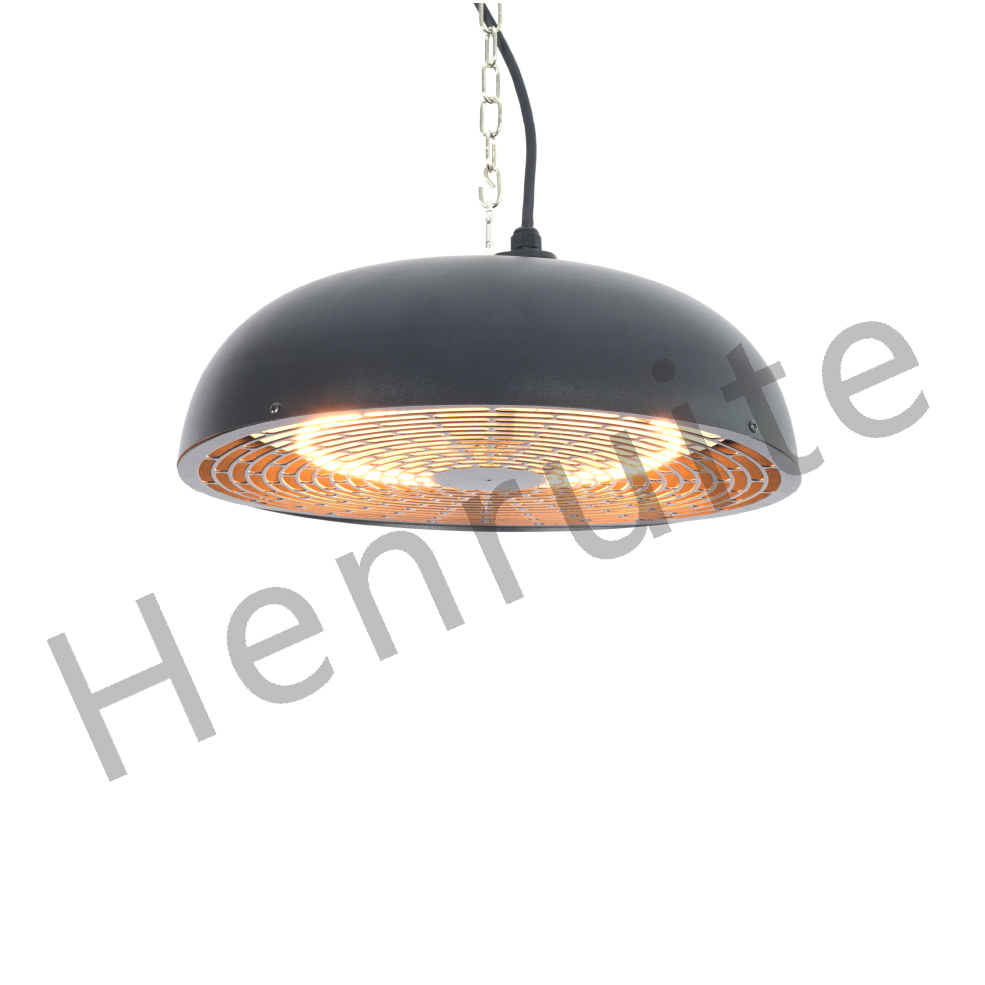
Keeping Your Infrared Heaters Dry (And Alive)
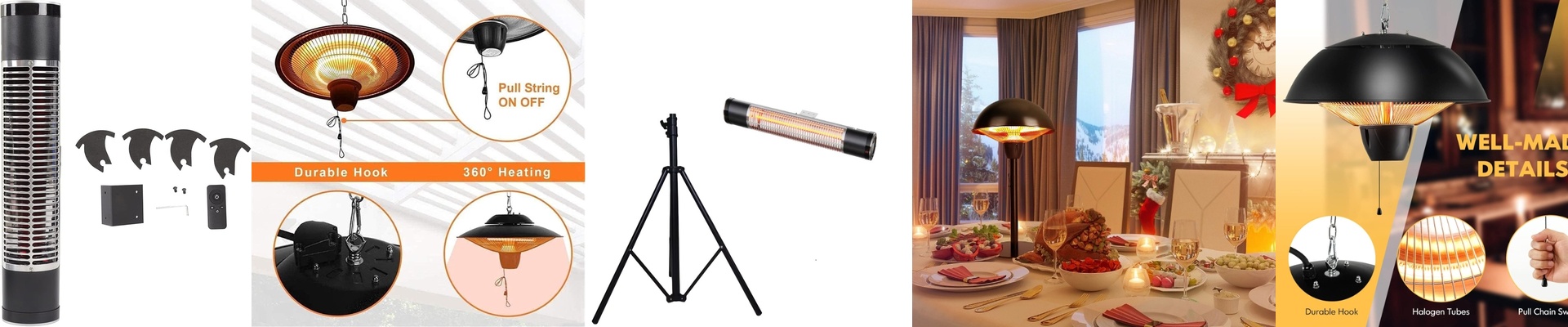
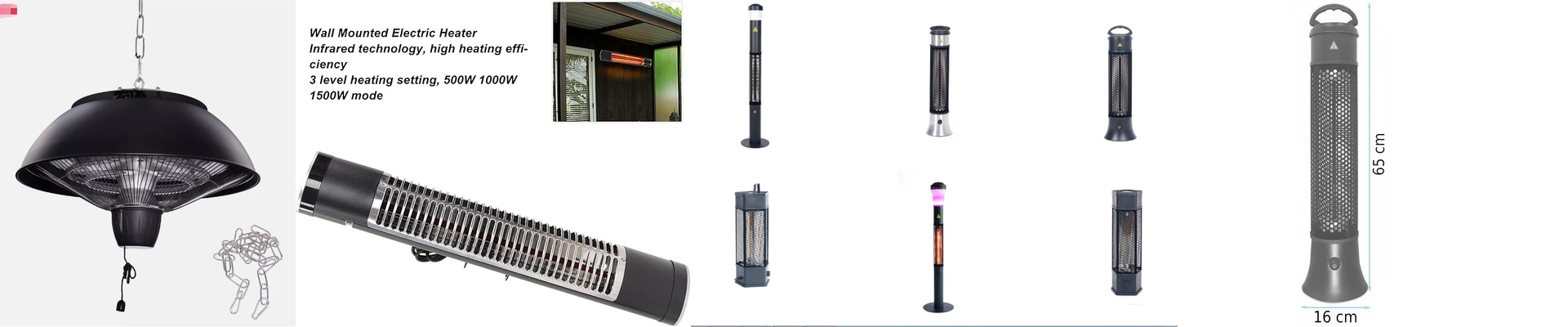
Here’s the truth about industrial infrared heaters: the heating element is rarely what kills them. It’s the water. Whether it’s a stray mist of coolant or a random splash, moisture is the enemy. When water hits a scorching quartz tube or creeps into the electrical housing, things go south fast. You get short circuits, rusted terminals, or the tube just snaps from the sudden temperature drop. We got tired of seeing that happen, so we built our heaters to an IPX5 standard to stop the bleeding. What does IPX5 actually mean for you? In plain English, it means your gear can take a low-pressure water jet from any direction and keep on ticking. We didn’t just slap a cover on it. We sealed the whole chassis and put heavy-duty gaskets at every single entry point. Most heaters fail at the cable glands—that’s where the water sneaks in. We switched to compression seals that lock the wiring down tight. It keeps the splashes and heavy fog out of the guts of the machine. Dealing with the damp If you’re working in a high-humidity shop, you know how condensation builds up. That layer of fog doesn’t just look bad; it actually blocks the heat from reaching your target. To fix this, we tweaked the shape of the housing so water just slides off. No pooling. No puddles around the lamp. This is huge because it prevents “thermal shock”—that nasty moment where a cold drop of water hits a hot tube and cracks it wide open. A few things to keep in mind Nothing is perfect. To get this level of waterproofing, we had to add some physical shielding, so the unit is a bit bulkier than a standard heater. Also, since it’s sealed tight, the electronics don’t breathe as naturally. If you’re pushing max wattage inside a cramped box, just make sure you’ve got some decent ventilation going. You don’t want your drivers overheating because they’re trapped in a sauna. One last tip:use the sealed connectors we give you. If you decide to cut the cables and wrap them in electrical tape, you’ve basically voided the waterproofing. Stick with the seals, keep them tight, and these units will take a beating in a wet shop without giving up on you.