Why Infrared is the Only Way to Heat Transition Zones
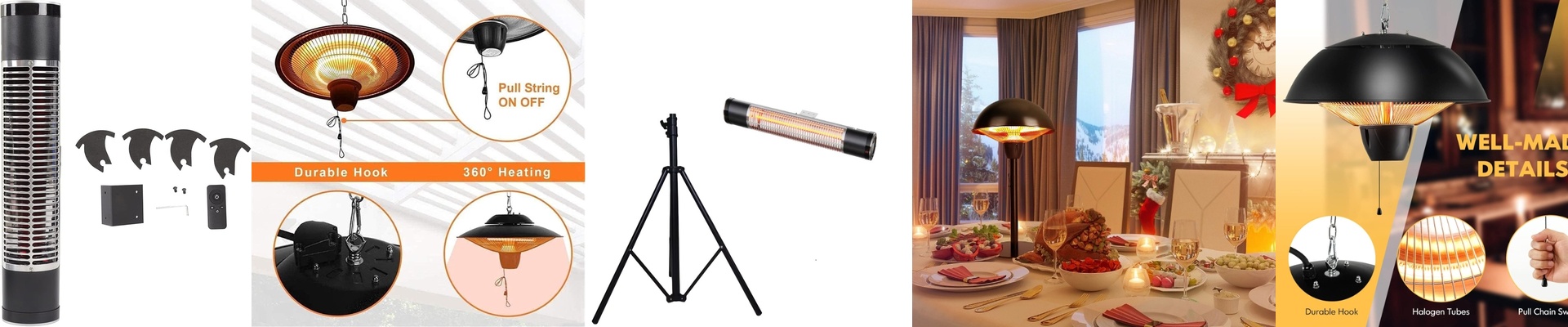
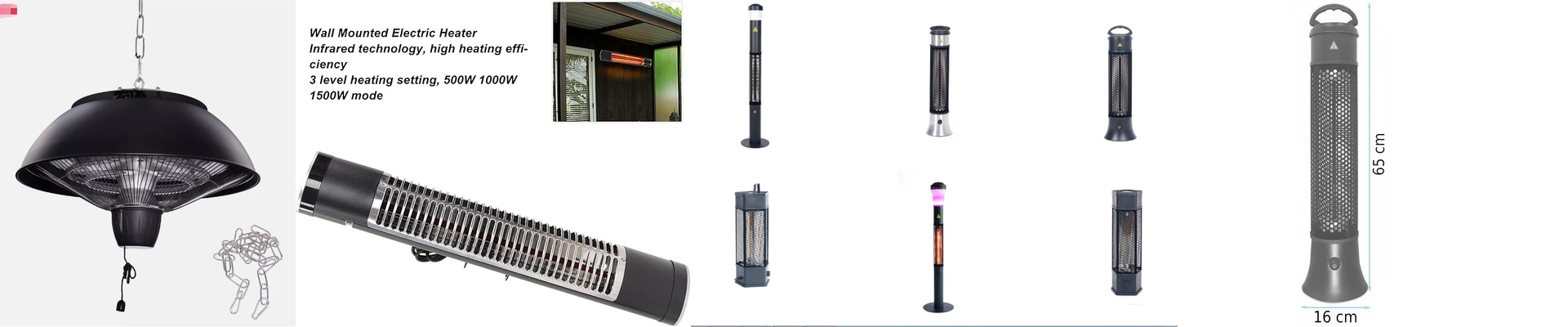
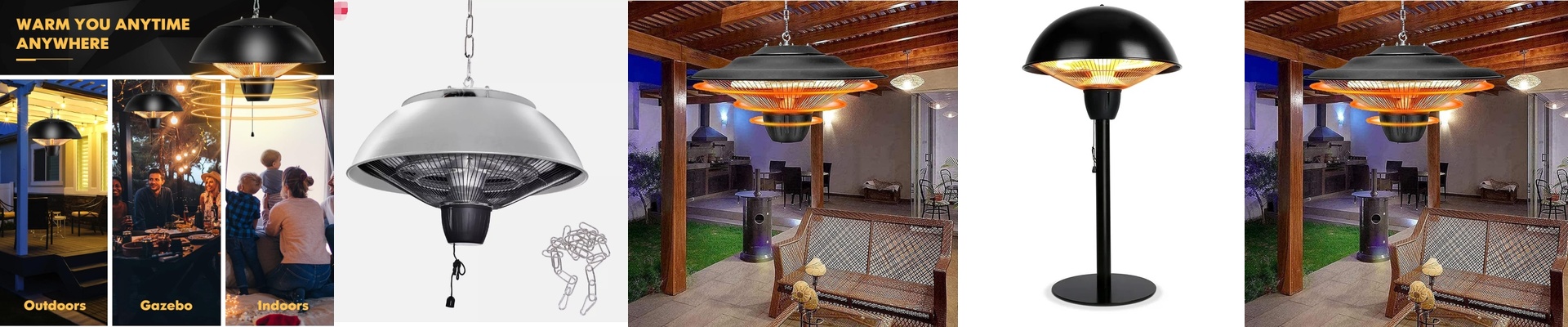
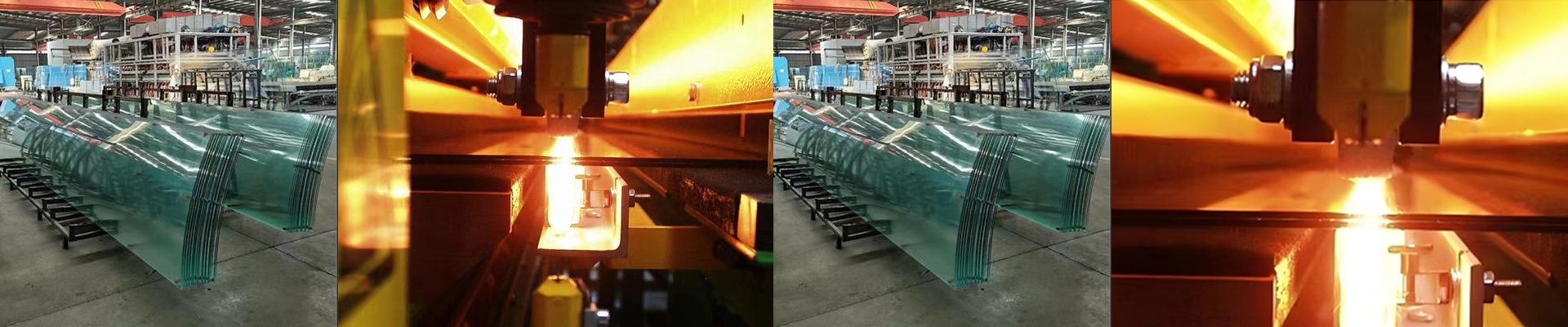
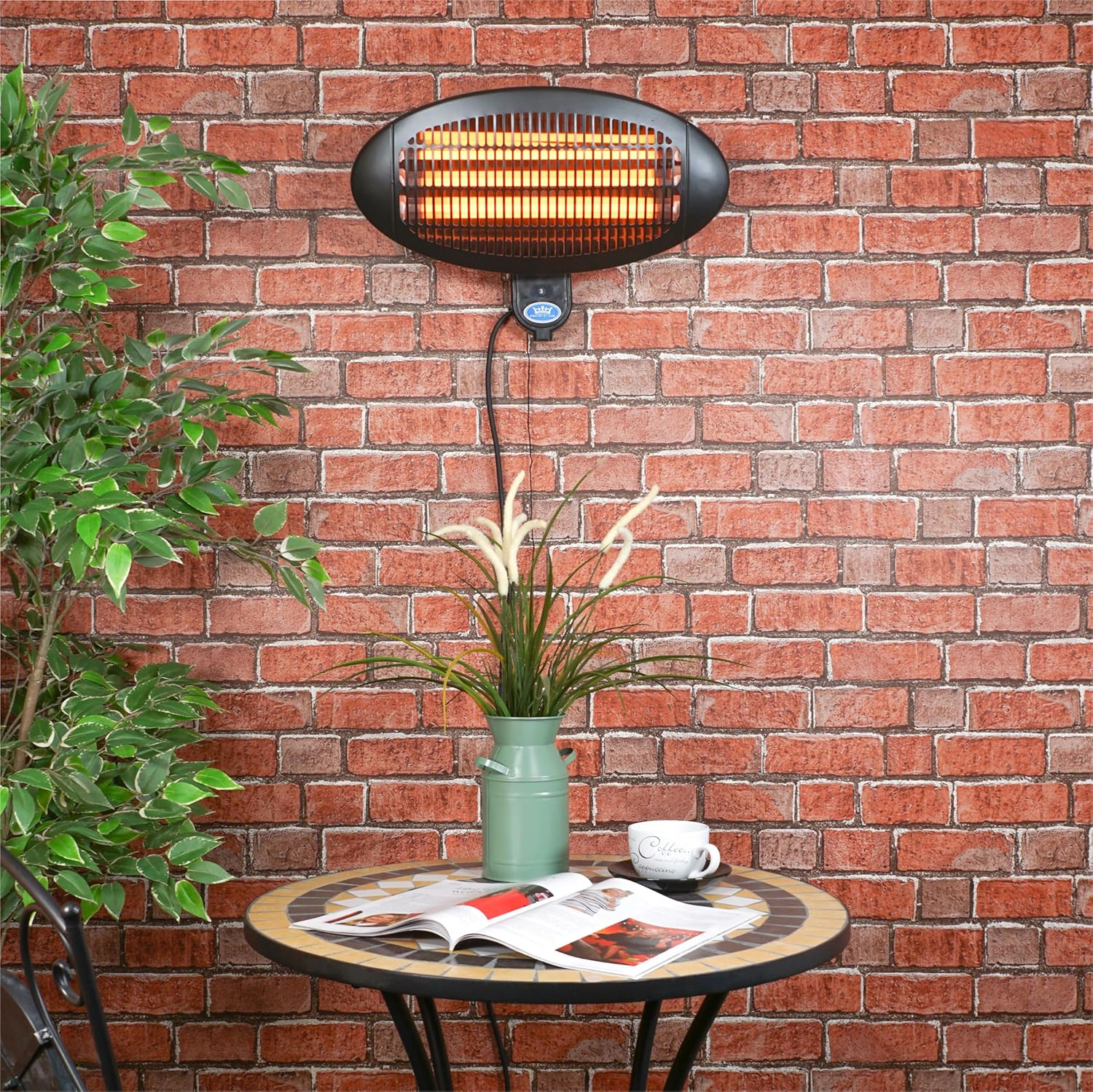
If you’ve ever tried to heat an outdoor hallway or a changing area with a standard heater, you know the struggle. You’re basically trying to heat the air, and the air just… leaves. It’s a losing battle. That’s why we use shortwave infrared. Instead of fighting the wind, it beams heat directly onto the person and the surfaces around them. It doesn’t care about the air temperature. It just works. That “Instant” Warmth We set these units up for high power density because nobody likes waiting. When someone steps into a changing room, they don’t want to feel that sudden, biting chill. They want to feel warm right now. By using quartz glass to wrap the filaments, we make sure the heat shoots straight ahead instead of wasting energy by leaking out the sides. You aren’t trying to warm up the whole building; you’re just making sure the person standing there feels cozy. Dealing with Water and Humidity Putting electronics in wet zones is always a bit nerve-wracking. One splash on a live element and you’ve got a short circuit or a dead filament. To stop that from happening, we seal everything tight. We use heavy-duty gaskets and alloys that won’t rust, even when the humidity is through the roof. It’s all about keeping the moisture out so the gear actually lasts. A Few Things to Watch Out For Here is the catch: these heaters pull a lot of power. If your wiring isn’t up to the task, you’re going to be tripping breakers the second you flip the switch. Double-check your circuits before you start. Placement is also a big deal. If you mount them too low, you’ll practically fry your customers. Too high, and the heat vanishes before it ever reaches them. It’s a balancing act. And a pro tip? If you’re swapping these into an old system, check your connectors first. Trust me, you do not want to be figuring out custom wiring on the shop floor while the clock is ticking.