Stop Fighting Your Glass Oven
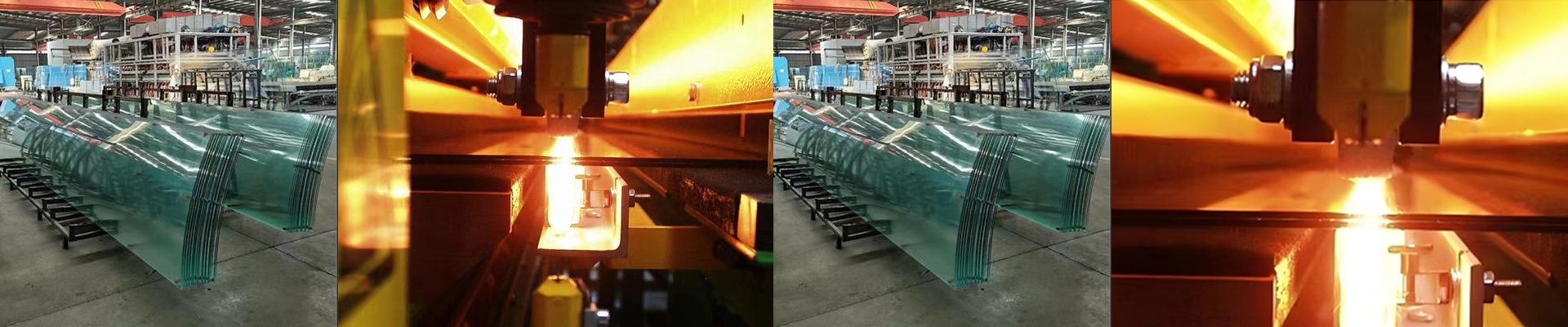
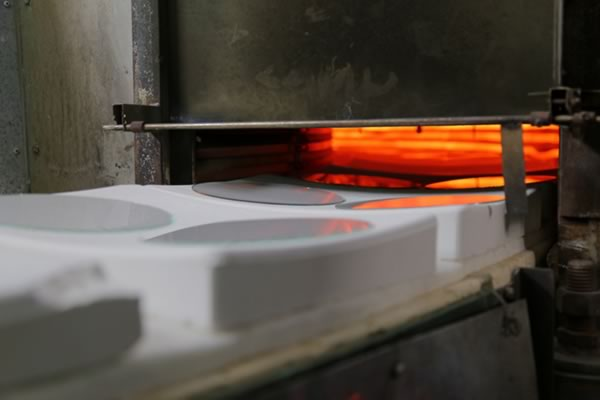
If you’ve ever had a batch of glass come out with internal stress or just plain shatter, you know the frustration. Usually, it comes down to one thing: temperature swings. If one part of your oven is running even 10°C hotter than the spot next to it, you’re asking for trouble. This gets way worse when you’re doing batch processing. You load up a full chamber, but if your infrared lamps aren’t hitting the glass exactly the same way across the board, you end up with a mess of inconsistent quality.
The Secret to Even Heat
We use clear quartz for these tubes for a simple reason: it lets the short-wave radiation fly right through without getting trapped. But here is the tricky part. It isn’t enough to just hit a target wattage. The real battle is making sure every single tube in a 50-lamp array behaves exactly like its neighbor. See, tiny differences in the tungsten filament or the thickness of the quartz wall change the electrical resistance. If your lamps have a 5% tolerance, you’ll get “hot spots” and “cold spots.” In the industry, we call that the “zebra stripe” effect. It’s a nightmare. We tighten those tolerances because that’s the only way to get a truly uniform heat flux.
A Little Warning on Handling
When your tubes are this consistent, you can push the glass to its thermal limit without worrying about overheating one specific spot. But there’s a catch. These tubes are sensitive. Because the quartz is clear and uncoated, a single fingerprint or a smudge of oil is basically a death sentence. That smudge creates a local hot spot, and the tube will burn out way too fast. **Do yourself a favor: use lint-free gloves.**And for heaven’s sake, wipe them down with isopropyl alcohol before you wire them in.
Why This Actually Matters for Your Day
When your hardware is dialed in, you can stop wasting your life fighting with PID tuning. You won’t have to play that annoying game of cranking up the strong lamps to make up for a weak one. Everything just… stabilizes. Your scrap rates drop, your cycles become predictable, and you can finally trust your equipment. At the end of the day, stability comes from the hardware you put in the oven, not just the software you use to run it.