Stopping the Chip: A Better Way to Cut Glass
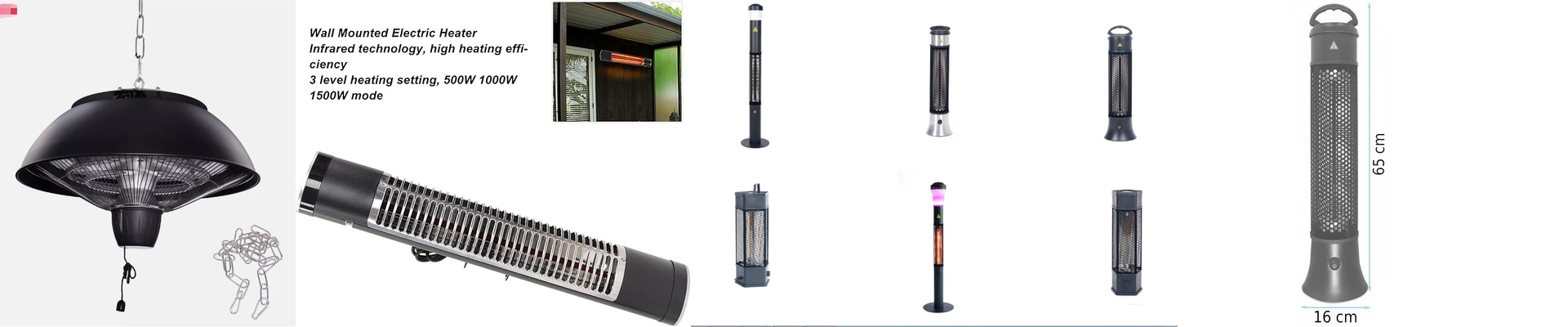
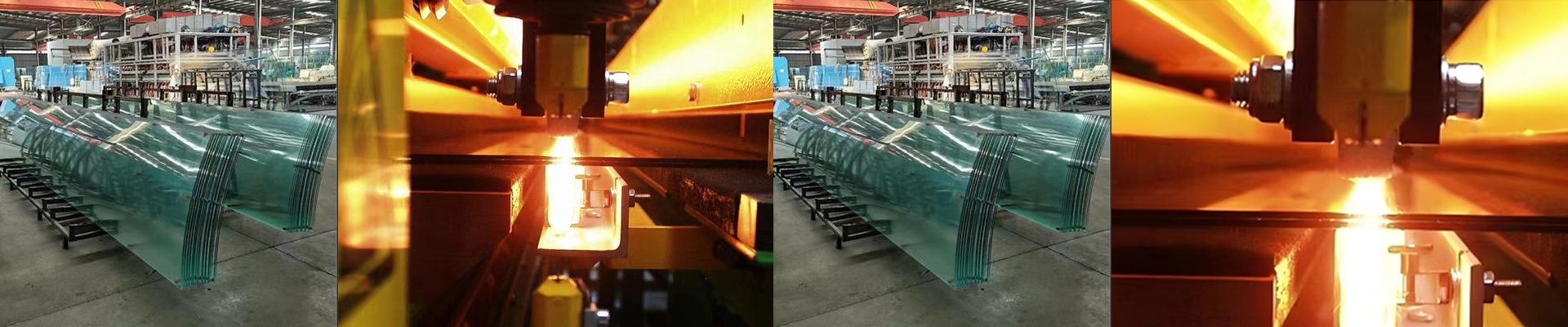
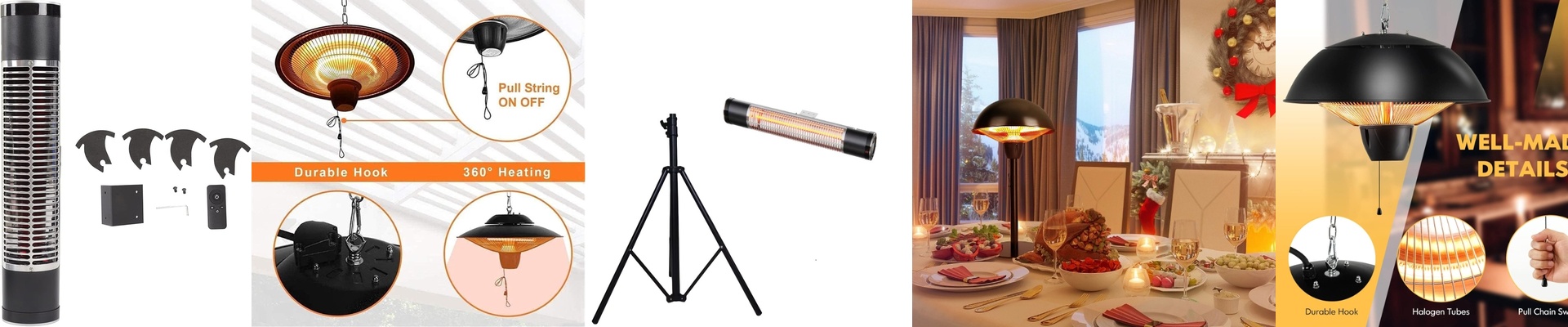
Ever notice how cutting glass at room temperature can be a total pain? You get those annoying little chips or “shelling” right along the edge. It happens because the glass is basically fighting the cutting wheel, creating these messy, irregular fractures that ruin a perfectly good piece. Here is how we fix that. We use infrared (IR) quartz heaters to warm up the glass surface right before it hits the cutter. By bumping up the temperature, the glass relaxes. The surface tension drops, and the cutting wheel can finally do its job—creating a clean, smooth score without the drama. Why the heat actually works When you hit the glass with short-wave IR radiation, the heat sinks into the surface layer fast. It’s like warming up a muscle before a workout; it just makes the molecular structure less rigid. The result? The glass doesn’t want to shatter or chip when you break it off. We’ve seen scrap rates plummet once we hit that sweet spot where the glass is just the right temperature before the cutting head engages. The gear you’ll actually need For these lines, we usually go with high-wattage quartz tubes. You need that kind of heat density if your conveyor belts are moving fast. The trick is matching your wattage to your line speed. If you speed up the belt, you’ve got less time to heat the glass, so you’ll need more power per inch to keep that surface temperature where it needs to be. But a word of caution: these heaters put out a massive amount of radiant heat.**Don’t skim on the housing or the cooling fans.**If you don’t shield your surrounding gear, you’re going to end up with warped aluminum frames or fried sensors. Not a fun way to spend a Tuesday. Getting it installed (and keeping it running) The good news is that these are designed to be drop-in replacements. We use standard connectors, so wiring them up is pretty painless. We use quartz for the envelope because it lets the IR radiation pass right through instead of soaking up the energy. One big tip:**Do not touch those quartz tubes with your bare hands.**Seriously. The oils from your skin create tiny hot spots. When you fire the heater up for the first time, those spots can cause the glass to crack. Use gloves, keep it clean, and you’re good to go.