How to Stop Your Glassware from Cracking During Annealing
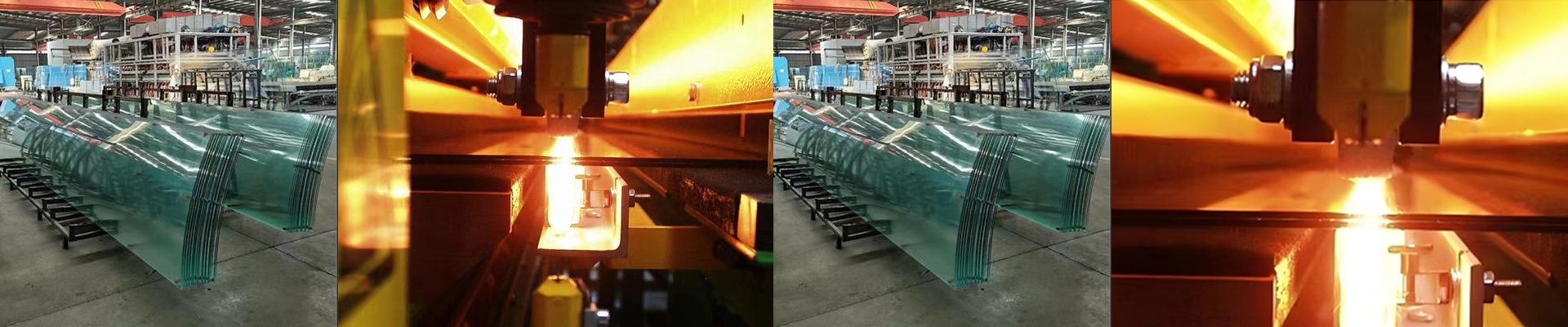
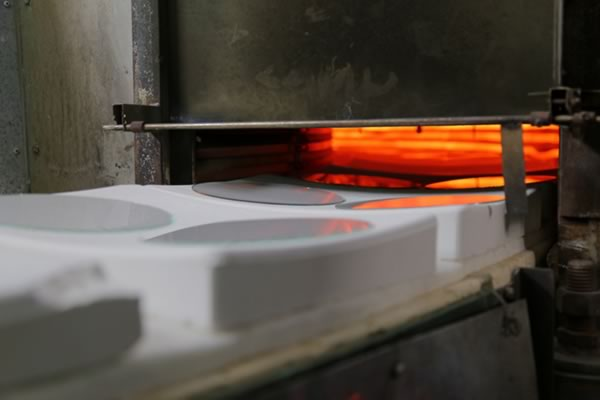
Ever seen a piece of glass just… snap? It’s frustrating. Usually, it happens because the temperature difference across the material gets too extreme, creating internal stress that rips the glass apart. To stop that from happening, we use shortwave infrared (IR) lamps. The secret is that they can change power levels almost instantly.
Why Speed Matters
Most heating elements are just too bulky. They have a lot of “thermal mass,” which is a fancy way of saying they take forever to cool down. If you need to drop the heat right now to save a piece of glass, a heavy element is still pumping out heat long after you’ve turned it off. It’s like trying to stop a freight train. We use halogen-filled quartz tubes instead. These things hit their operating temperature in milliseconds. When you pair those lamps with an SCR or a fast-switching PWM controller, you can throttle the wattage in real-time. You get total control. Whether the glass is thick or thin, you can dial the heat up or down to match the exact curve you need.
The Gear (and the Catch)
We usually go with high-wattage density tubes. By using a high-voltage setup, we get the intensity we need without the equipment taking up half the shop. Quartz is the way to go here. It lets the shortwave radiation slide right through and hits the glass surface directly. It’s a concentrated blast of heat. But there’s a catch. These tubes arefragile. Seriously, one fingerprint or a tiny smudge of oil on the quartz can create a hot spot. That’s all it takes to burn out the whole tube. Tell your team: gloves on at all times, and keep the IPA handy for cleaning.
Getting it Working on the Floor
The good news is that these lamps usually slot right into where your old heating arrays used to be. We use standard connectors, so you aren’t spending all day fighting with the wiring. Just a heads-up: these lamps put out a massive amount of energy in a very small space. You can’t skimp on the cooling fans or the heat shields. If you don’t vent the housing properly, the ambient heat will just cook your electronics. And that’s a headache nobody wants.