Stop Losing Money Every Time the Temperature Drops
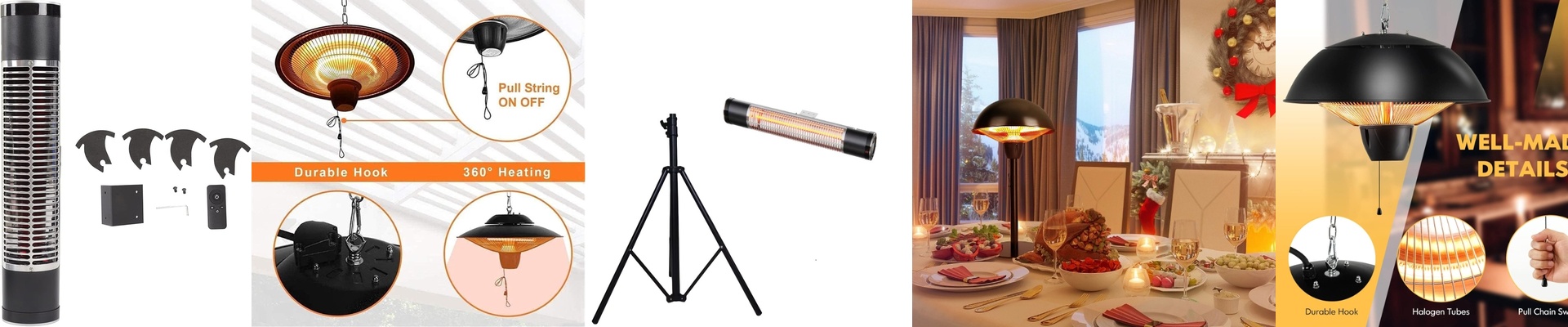
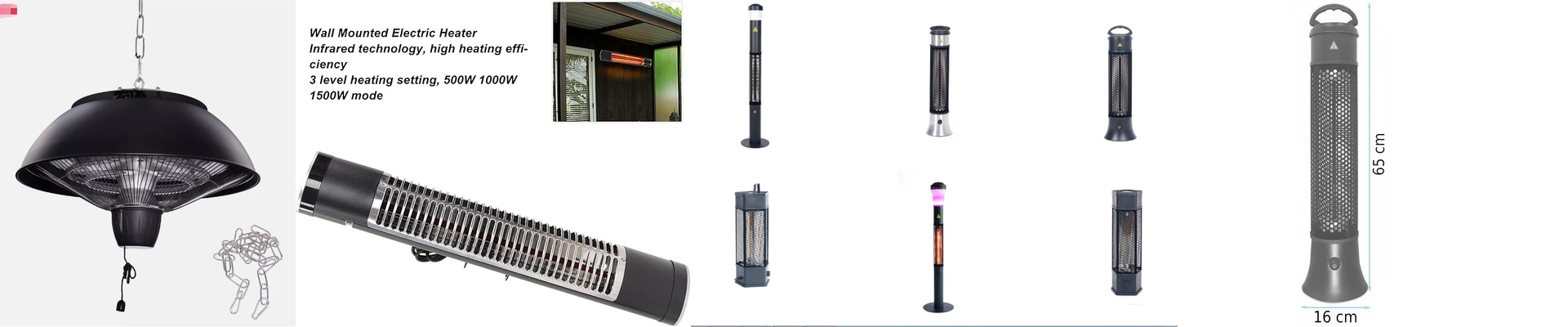
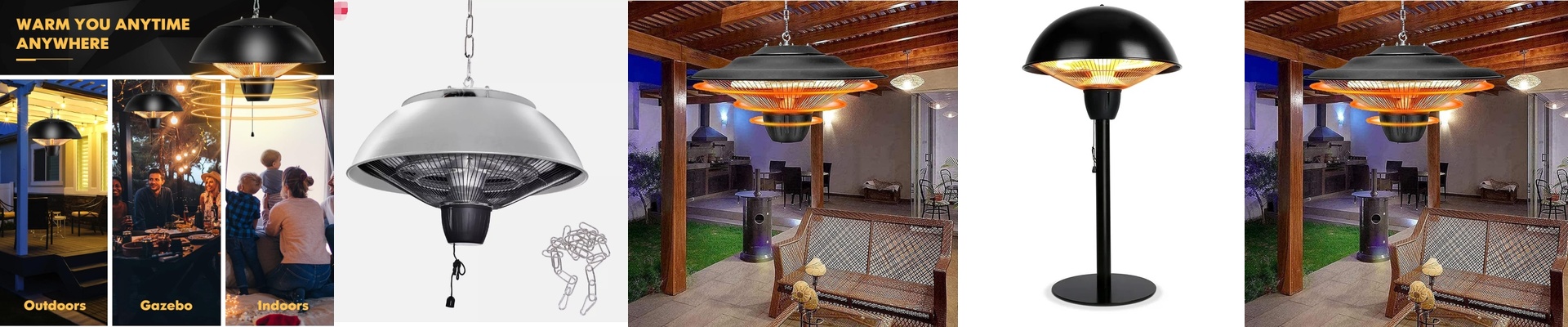
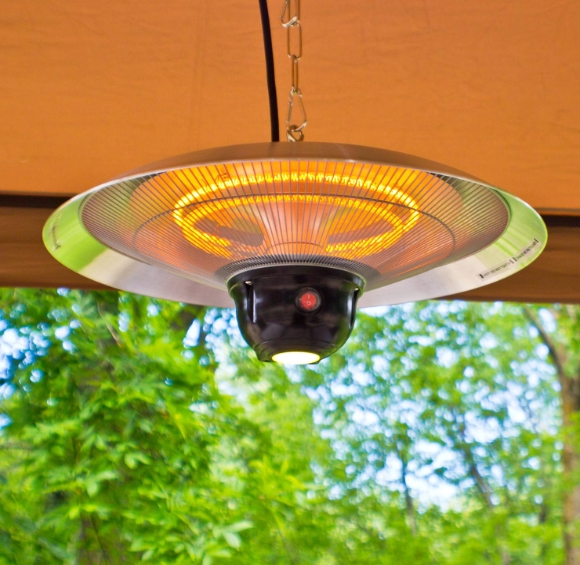
Let’s be honest: the second it gets chilly outside, your patio becomes a ghost town. It’s frustrating to see those empty tables when you know people want to be outdoors. The problem is that most heaters just try to warm up the air. But if there’s even a slight breeze, that warm air just blows away. You’re basically paying to heat the neighborhood. That’s why we use shortwave infrared heaters. Instead of fighting the wind, these beam heat directly onto your guests. It feels like standing in the sun. The air can be freezing, but your customers stay warm because the heat hits their skin and clothes instantly. And since things happen in restaurants—drinks spill, rain happens—we make sure everything is IPX4 rated. In plain English? They’re splash-proof. A little rain or a stray cocktail won’t fry your electronics.
A Few Things to Keep in Mind
Before you go all-in, you’ve got to look at your electrical panel. These units pull a lot of power to get that intense heat. If you’re putting up a row of 2kW heaters, make sure your breakers can handle the load. There’s nothing worse than the lights going out right during the dinner rush because you tripped a circuit. When it comes to hanging them, it’s all about the vibe you want. If you mount them high, you cover more people, but the heat is a bit softer. Mount them lower, and it’s an intense, cozy heat—but only for the people sitting right under it. It’s a trade-off. Pick what works for your layout.
Why This Actually Matters for Your Bottom Line
Cold customers don’t linger. They eat quickly, skip the dessert, and leave the moment they finish their meal. But when people feel warm and cozy, they relax. They order that second bottle of wine. They stay for another round of appetizers. Suddenly, that “winter slump” isn’t so bad, and your average check size starts to climb. One last pro tip: tell your installers to use heat-resistant cabling. You don’t want the insulation melting near the heater housing. It’s a small detail, but it’s the difference between a system that lasts for years and one that becomes a fire hazard.