Stop the Bathroom Damp: How Infrared Actually Works
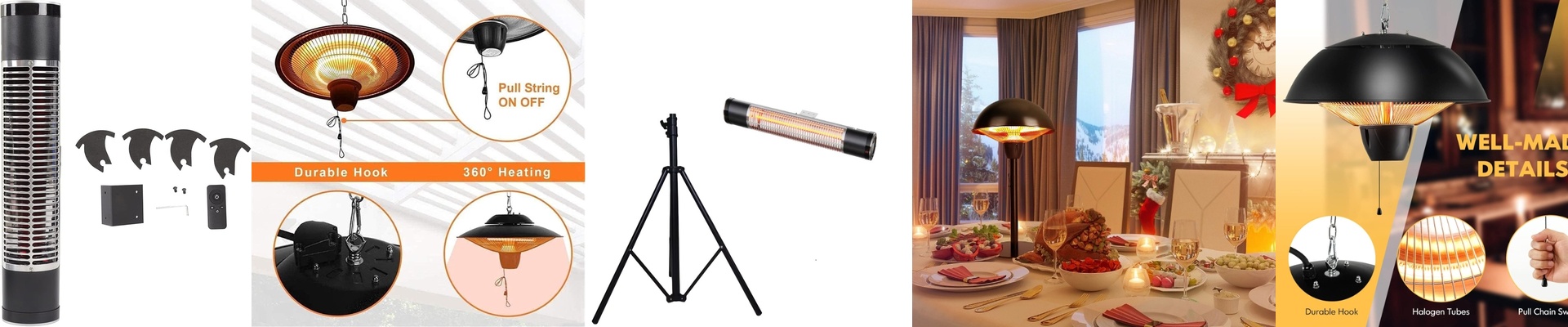
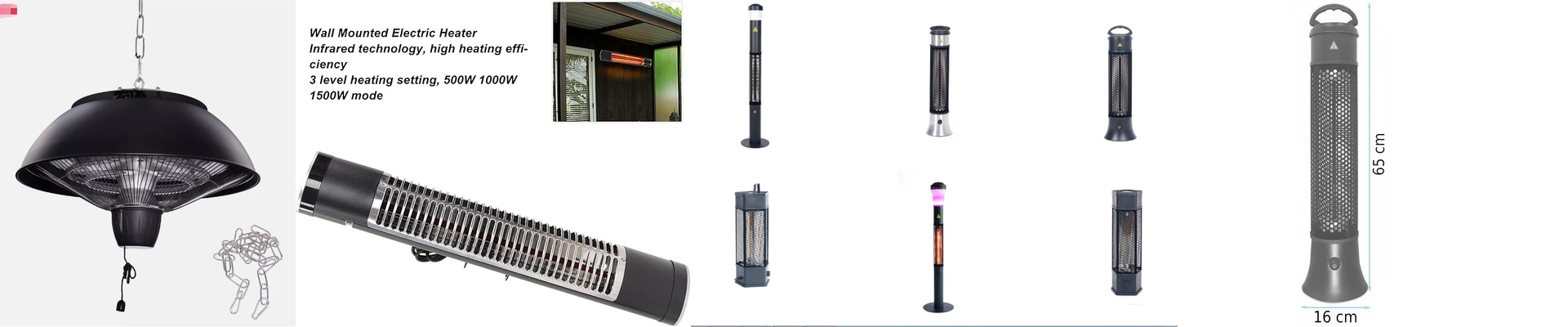
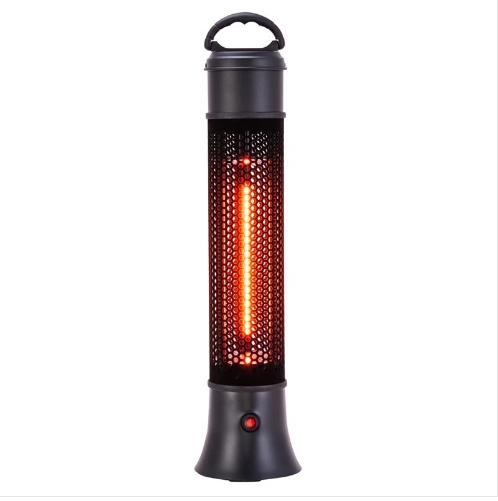
Most people think of infrared heaters as just a way to stop shivering when you step out of the shower. But if you look under the hood, it’s more about controlling the room than just warming your skin. We use short-wave infrared (SWIR) emitters for a reason. They don’t just push warm air around; they go after the moisture hiding in your walls and tiles.
Drying things out (The science bit)
Here is the thing: water molecules love infrared radiation. When we pick a Waterproof lamp for a bathroom, we aren’t just looking for “hot.” We’re looking for a specific kind of energy that can punch through that layer of dampness on your ceiling. It basically shakes the water molecules until they evaporate. By keeping your tiles and grout warmer than the dew point, you stop condensation from ever settling. And since mold needs standing water to move in and start a colony, you’ve basically shut the door on it.
The gear and the grime
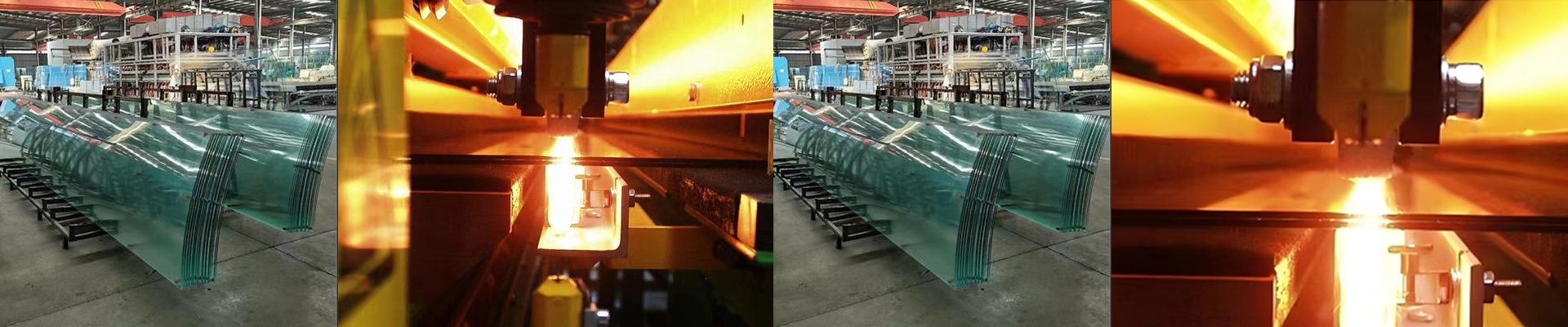
To make this work, we use high-purity quartz glass. Why? Because regular glass blocks too much of that infrared energy. We also obsess over the seals. If a tiny bit of steam leaks into the housing, you’re looking at electrical sparks or a dead filament. Not a great way to start your morning. You also have to get the wattage right for your space. If it’s too weak, the walls stay damp. If you go overboard, you risk overheating the fixture itself. It’s a bit of a balancing act.
The reality of using them
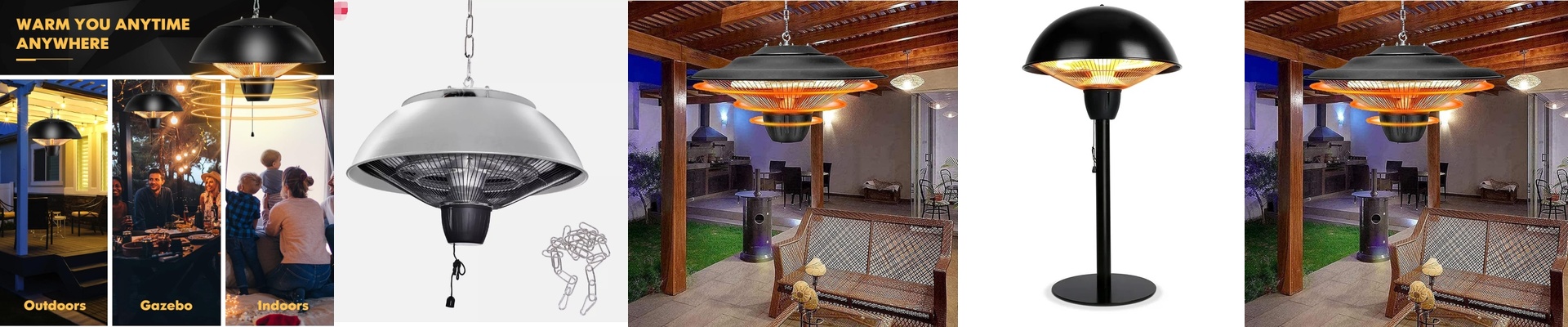
The best part? The heat is instant. No waiting around for a room to warm up. But there’s a catch. Short-wave IR is intense. If you mount the lamp in the wrong spot, it can be blinding or actually melt nearby plastic fixtures. You have to be smart about the mounting height. You want that “cone” of heat to hit the dampest corners of the room without creating a scorching hot spot right where you stand.