Getting Your Glass Annealing Lamps to Actually Fit
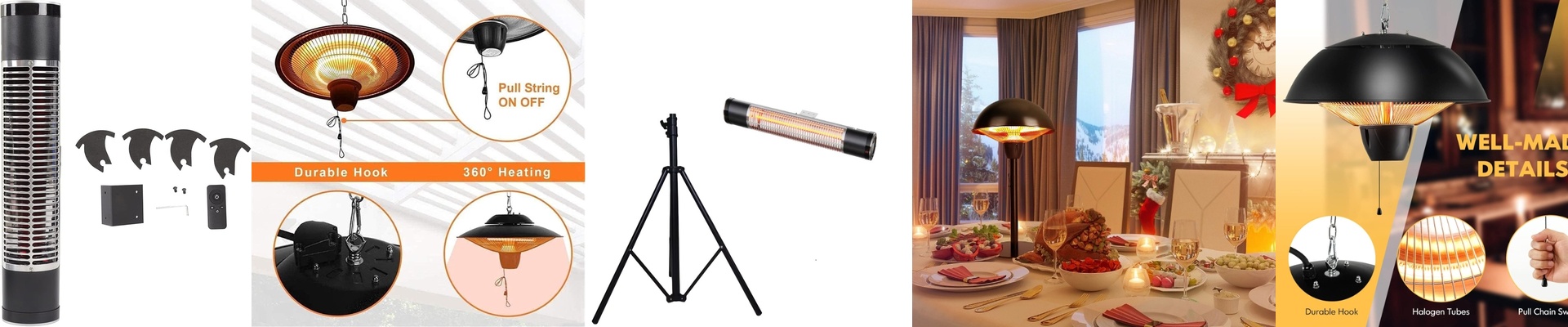
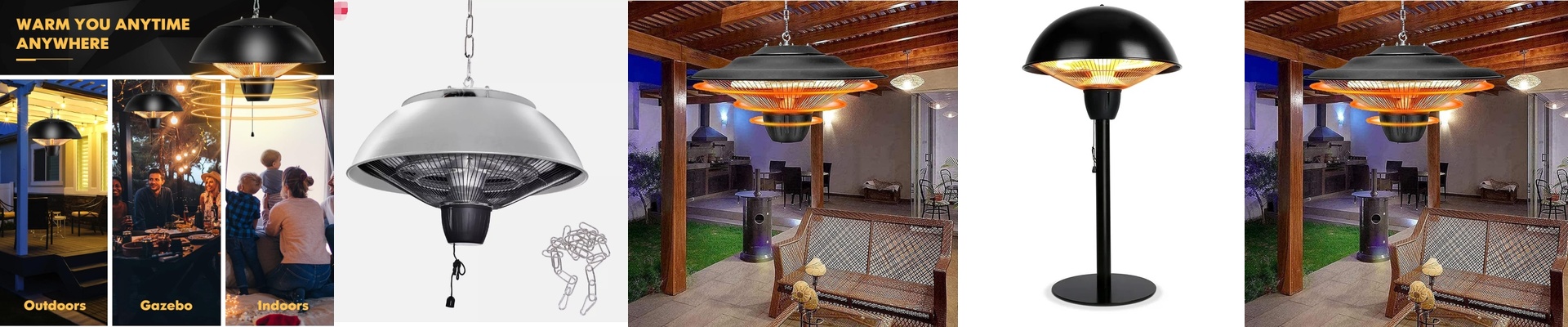
Anyone who’s spent time in a lab knows the struggle. You’ve got these old, reliable annealing ovens, but the hardware is a mess. Non-standard footprints, weird screw-in heads, and custom interfaces that seem to have been designed by someone who loved making things difficult. When a lamp burns out, the last thing you want is a project that requires rewiring your entire control cabinet or hacking away at the oven chassis just to get a new heating element in there. That’s why we focused on making our lamps “drop-in” replacements. **It’s simple.**You pull out the old one, pop in ours, and you’re back in business in a few minutes. No stress, no downtime, and no need to call in a technician for a five-minute job.
The Nitty-Gritty on Heat
We use high-purity quartz envelopes because, let’s be honest, the thermal cycling in annealing is brutal. These things need to take a beating without cracking. Whether you’re working with borosilicate or soda-lime, the heat density matters. We’ve tweaked the wattage and voltage to hit those specific sweet spots. If you’re dealing with thick-walled glassware, you’ll want the high-wattage options to get that temperature ramping up quickly. **One quick heads-up, though:**check your power supply. If your power rail isn’t rated for the peak draw, you’ll get voltage drops. That leads to inconsistent temperatures, and in annealing, “almost right” usually means a broken piece of glass.
Real-World Talk
The best part about a universal interface is that you can upgrade your gear without throwing away your housing. You can swap a standard halogen element for a specialized coated quartz lamp and just… keep going. But here’s the catch. Because these are designed to fit almost anything, you have to be a bit careful with the alignment. You’ll want to manually make sure the heat center is lined up perfectly with your glassware. If it’s even slightly off-center, you’ll end up with uneven heat distribution. It only takes a second to double-check, but it’s the difference between a perfect piece and a wasted afternoon.