Dealing with the Headache of 3-Meter Low-E Glass Heating
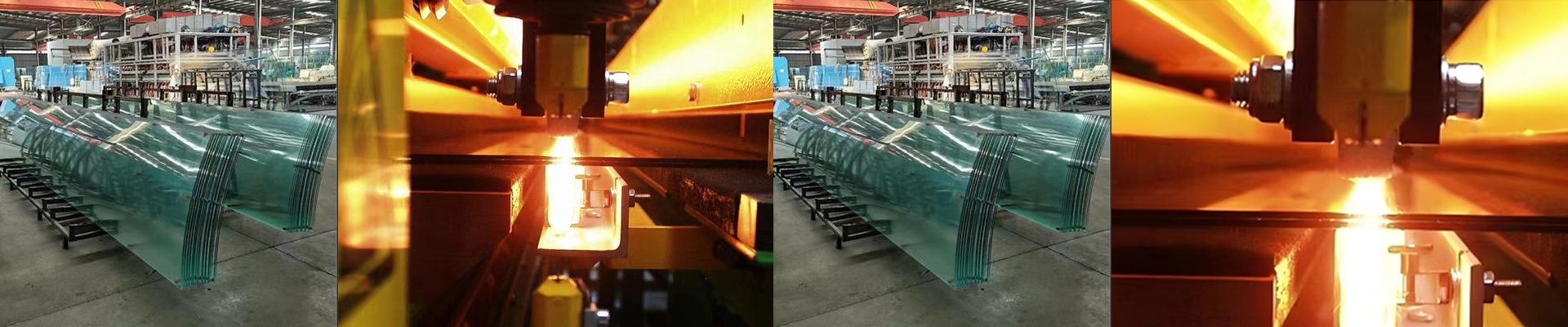
If you’re trying to preheat wide-format glass for Low-E coating, you already know the struggle. You need the heat to be perfectly even across the whole sheet. But once you cross that 3-meter mark, those standard, off-the-shelf lamps just can’t keep up. That’s why we build custom, ultra-long continuous infrared units. No more guessing. No more cold spots. Just a clean, solid bond that doesn’t leave you with defects.
The struggle with 3-meter heat
Getting a uniform temperature over a 3-meter span is a bit of a nightmare. You’re fighting voltage drops and thermal expansion every step of the way. We tackle this by packing in high-wattage density so the glass hits the target temperature fast. We use long-tube quartz technology to get rid of as many gaps as possible. Why? Because gaps lead to “zebra stripes” on your glass, and nobody wants to see those. But here’s the thing: a 3-meter unit pulls a massive amount of current. If you aren’t careful, you’ll trip breakers or melt your wiring. We usually split the load across several circuits to keep everything cool and running smooth.
The nitty-gritty on materials
We don’t mess around with thin glass. We use heavy-wall quartz tubing because these lengths take a lot of mechanical stress. We stick with shortwave infrared since it punches through the glass surface quickly. And we skip the generic connectors. Depending on how your rack is set up, we use reinforced terminals that actually stay put, even when the machines are vibrating. If you need a specific wavelength, we can coat the quartz for you—just keep in mind that adds some time to the delivery.
The trade-offs (Keeping it real)
These units are great because they replace those clunky, short modular arrays. Your footprint gets smaller and your controls get simpler. It’s a win. But there is a catch. A 3-meter quartz tube is fragile. Way more fragile than a small 500mm lamp. If your maintenance team isn’t careful during installation, these things can snap. Also, these units put out an incredible amount of heat. You’ve got to make sure your exhaust hoods are powerful enough to suck that heat away. If you don’t, you might find your supporting frame starting to warp.