Stop Your Lab Glass From Shattering: The Secret is 0.1°C
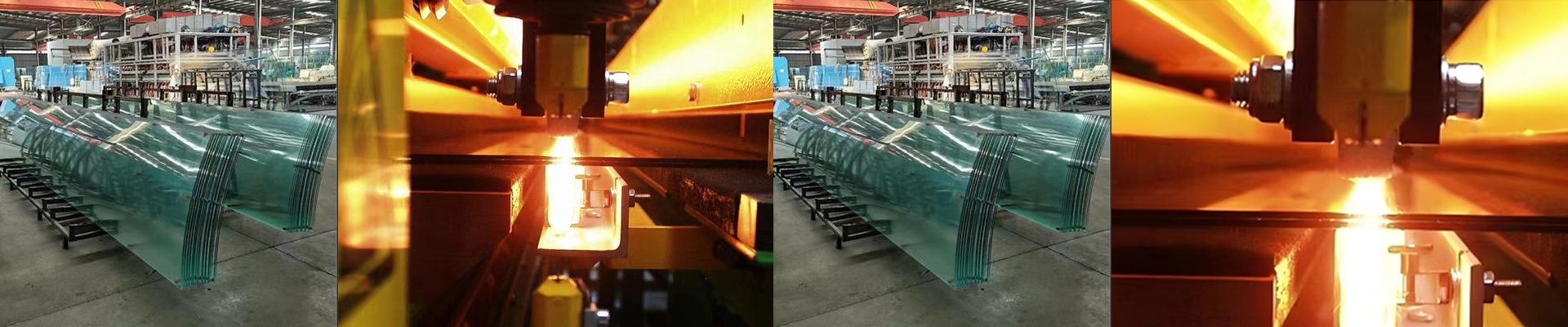
There is nothing worse than the sound of a piece of lab glassware spontaneously shattering. It’s frustrating, it’s messy, and it usually happens because of internal stress that didn’t get sorted out during the cooling phase. If your temperature swings by even a few degrees, you’re basically playing Russian roulette with your equipment. That’s why we use gold-coated infrared emitters. They give us the kind of precision annealing that keeps your glass intact. Why the gold coating matters Most quartz heaters just throw a broad spectrum of heat at everything. It’s blunt. We do things differently by adding a gold coating to shift that emission profile. Basically, the gold reflects the shorter wavelengths and pushes the energy into a specific infrared band. This penetrates the glass much more evenly. Instead of having “cold spots” that create weak points in the vessel wall, you get a consistent heat soak. It just feels more stable. The trick to 0.1°C stability Getting the temperature to stay within a 0.1°C window isn’t just about having a fancy PID controller. It’s really about how fast the heater reacts. Gold-coated emitters have very low thermal inertia. They ramp up and down almost instantly. This means the system can catch a temperature drift and fix it before the glass ever hits that dangerous strain point. Plus, we pair them with high-stability power supplies. Why? Because voltage ripples cause temperature drifts. It’s that simple. The trade-offs (Because nothing is perfect) Here’s the catch: high-precision IR heating isn’t a “set it and forget it” solution. Gold coatings are picky. If your annealing chamber has corrosive vapors floating around, the coating will peel or oxidize. You have to keep those emitters spotless. And keep in mind, these aren’t for bulk heating. They’re designed for the fine-tuning—the critical “soak” part of the process. One last tip: use high-temp leads and put your thermocouples exactly on the glass surface. If your sensor is sitting two inches away, that 0.1°C precision is basically useless.