

Stop Your Infrared Heaters From Dying Early
If you’ve ever had an infrared heater quit on you right when you needed it, you know the frustration. Usually, it’s the same old story: moisture or gunk gets inside, hits that scorching hot quartz tube, and—pop—you’ve got a short circuit or a cracked lamp. It’s a headache. That’s exactly why we built our replacement elements to an IP65 standard.
What “IP65” Actually Means for You
In plain English? It means your heater is dust-tight and can handle a spray of water without freaking out. Most lamps fail at the terminals. The seals just give up under the heat, and that’s where the moisture sneaks in. We fixed that by using high-temp silicone gaskets and reinforced potting compounds. It basically locks the moisture out. If you’re running a humid factory, this is the difference between a heater that lasts and one that burns out in a few months.
The Right Stuff
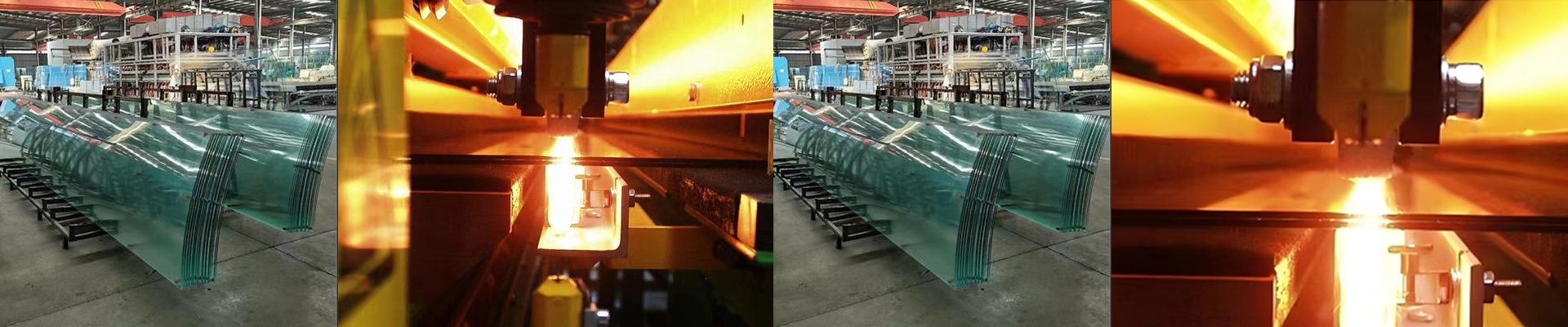
We use high-purity quartz glass for the envelope. Why? Because it can handle those wild temperature swings without snapping. Plus, we shaped the housing to push liquids away from the tube. But here is a pro tip: the seal protects the electronics, but the glass still needs a bit of love. If the tube gets covered in grime, your heat transfer is going to tank. Keep the glass clean, and it’ll keep humming along.
Getting Them Running
The best part is that these are drop-in replacements. You don’t need to rebuild your whole setup. Just swap them in, and you can suddenly put your heaters in damp areas or near wash-down zones without that constant worry that they’re about to blow. One thing to watch out for, though. Since the unit is sealed tighter, it holds onto more internal heat. Just double-check that your mounting brackets can handle the wattage. You don’t want your frame warping because it’s getting too toasted.