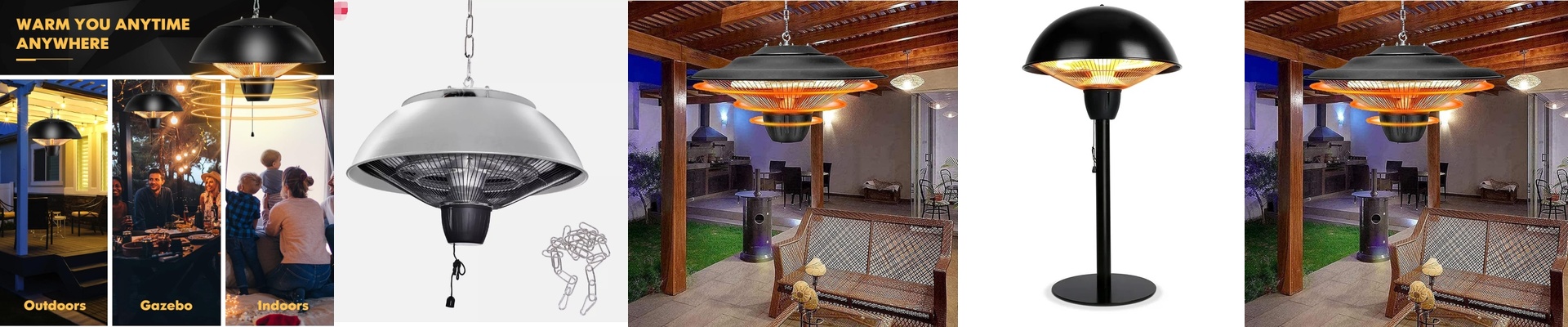

Outdoor seating dies when the air turns sharp. Guests stick around for minutes, not hours. Service slows to a crawl. Revenue follows the temperature down. A commercial patio heater has to flip that cold into comfort fast—and keep running season after season, without turning into another piece of disposable gear.
What matters under the hood
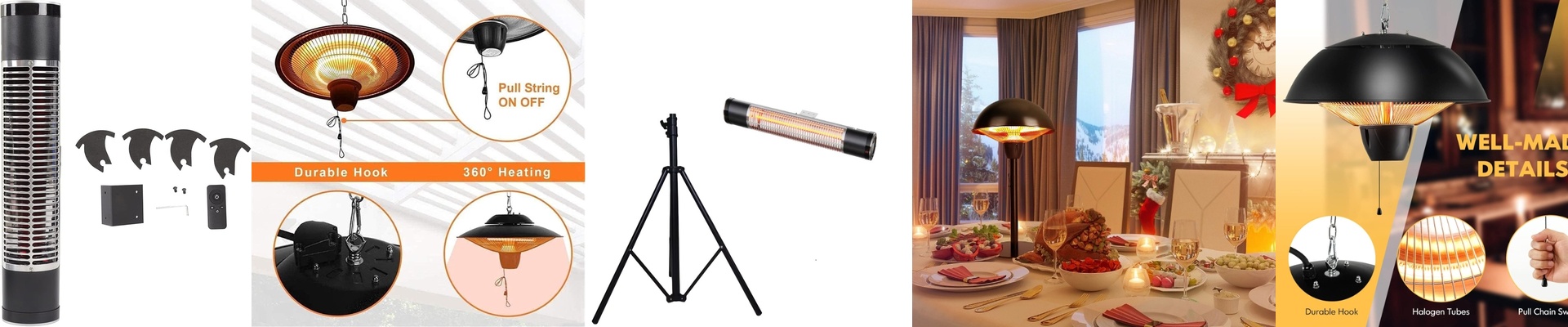
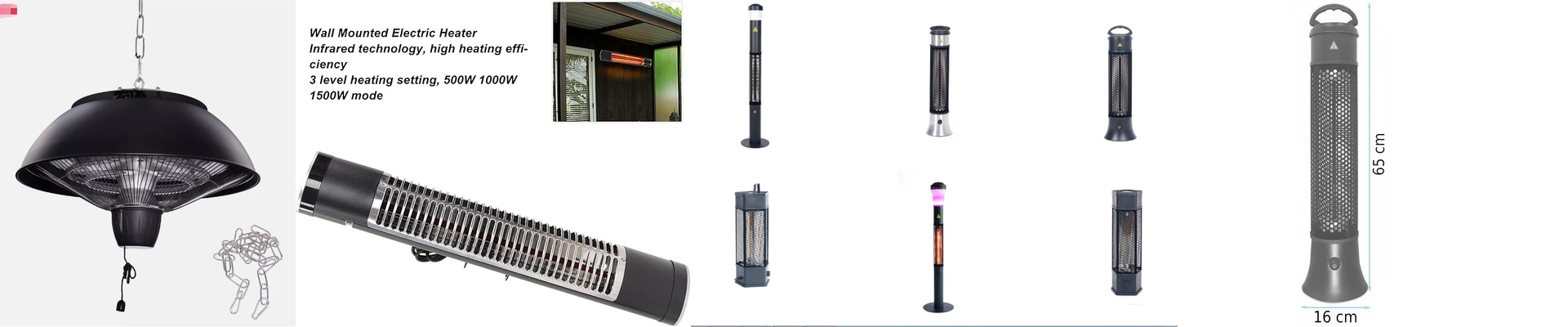
We built this commercial patio heater on infrared radiant heat, so warmth goes straight to people and furniture instead of wasting energy on the empty night air. The core is a high-purity quartz tube, paired with a reflector assembly made with high recycled content—designed to be refurbished and to support material recovery when it’s time. In practice, you get fast, directional heat that isn’t easily wrecked by wind. You can spec it at 1500W or 2000W, it plugs into standard 120V, and the sealed housing is rated for wet-location use. No fan noise. Just quiet operation, with tip-over protection and a thermostat so comfort stays steady and repeatable.
Why this heat belongs in a real service environment
This is the kind of warmth that makes outdoor dining feel intentional, not like an afterthought. Infrared warmth hits almost instantly, so guests feel cozy the moment they sit—no long warm-up, no moving air that stirs up drafts. Because the heat is aimed where people are, it can be more efficient than trying to warm the whole volume, which helps keep operating cost in check. And for venues that care about sustainability, the high-cycle material approach supports long service life and responsible end-of-life handling—fewer replacements over time.
The details that save you headaches on the floor
Placement is half the job. Infrared heat travels in line of sight, so position the heater to cover seating directly and keep the clearances listed. Set the thermostat to avoid overheating right near the unit—comfort is better when it’s consistent, not scorching. If you’re running multiple heaters, plan on a dedicated circuit. One practical note: the housing is built for outdoor exposure, but heavy rain or certain direct spray angles can still affect performance. Give it shelter or orient it so direct water contact is minimized—more years of reliable service come from that small decision.