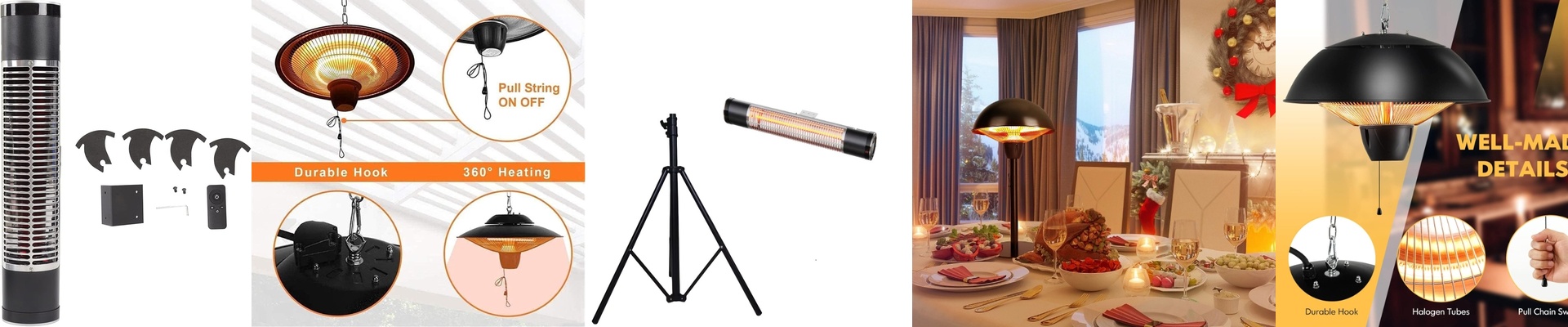
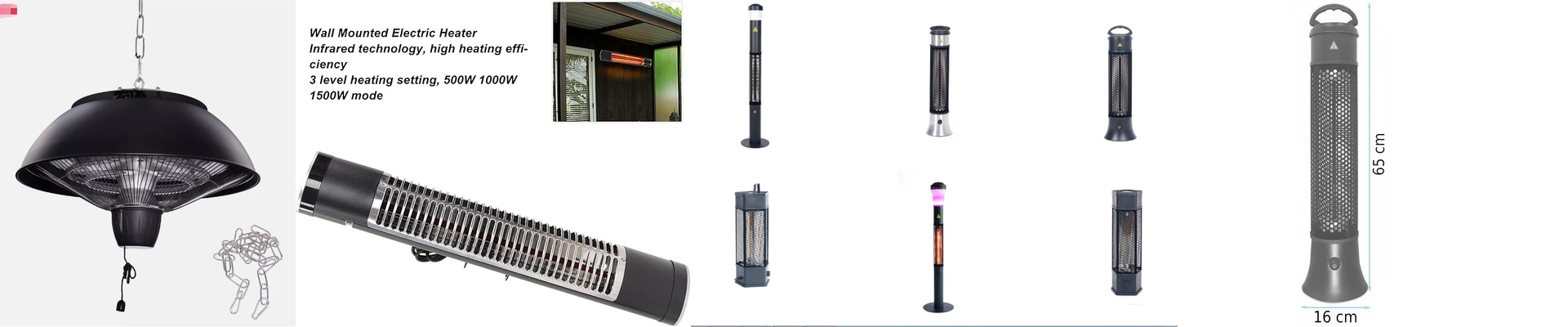
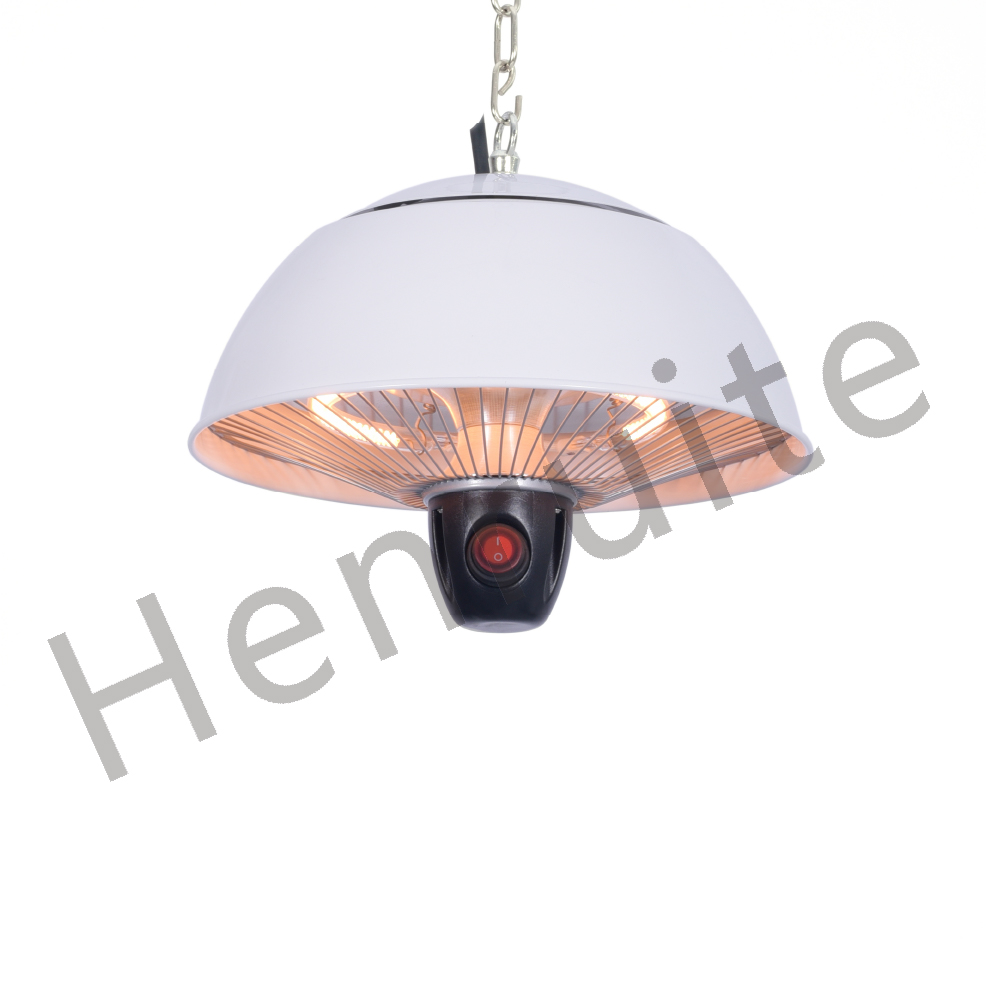
Orders come in from all over, and the expectation is always the same: the heater has to just work. A cafe in Paris needs 110V with a Type E plug. A family in Toronto wants 120V and a standard NEMA outlet. A resort in Dubai needs 220V, built to handle the heat and dust. Get the voltage wrong or spec the wrong connector, and that cozy plan turns into a delivery delay, a reworked install, and a lost evening outdoors.
What matters, technically
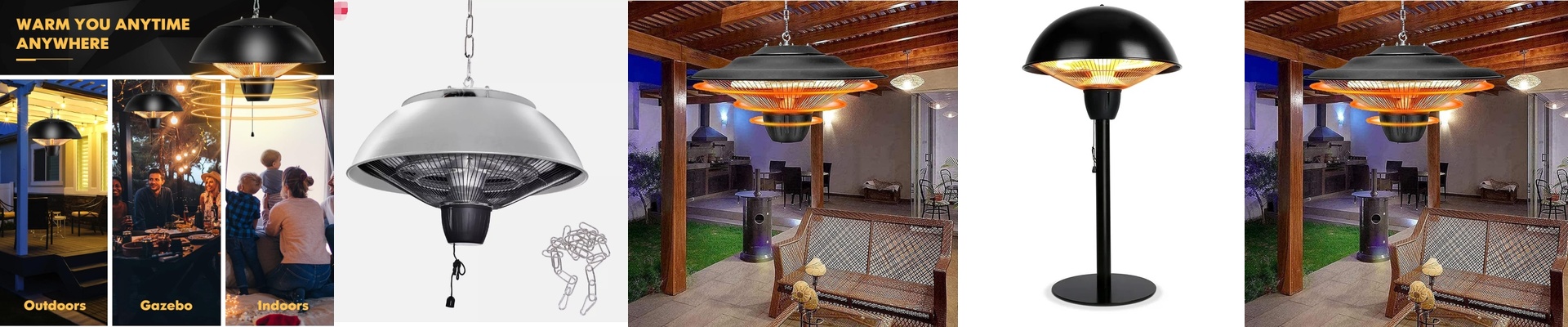
Our low-wattage infrared heaters are built on the radiant principle—light energy warms people and surfaces directly, not the air. That keeps running costs down and puts comfort where you want it, fast. We offer flexible power bands for small patios and compact rooms, and we tailor voltage across the common global standards, including 110–120V and 220–240V. The heart of it is the element. You can spec quartz tube or carbon fiber, both chosen for quick warm-up, steady output, and long service life. Every unit is matched to the right plug standard and wiring configuration for its destination, and finished with practical safety details—tip-over protection and a thermostat for consistent comfort.
Why this approach holds up in the real world
Global customization means fewer compromises. Specify the voltage and plug your market actually uses, and installers finish faster. Customers plug in without hunting for adapters. Infrared warmth makes outdoor dining stretch later, keeps a workshop feeling steadier in winter, and keeps a reading corner comfortable when the air turns sharp. Low wattage keeps the electrical draw manageable, so you can run more zones without pushing circuits. And because the heat is focused, comfort starts the instant you flip the switch.
What to keep in mind
Custom voltage and plug configurations add lead time—each unit is built to order and tested before it leaves our shop. Confirm local circuit voltage, plug type, and any weather protection needs up front.An IP rating for damp or wet conditions is often worth it for peace of mind. Plan the mounting location so the radiant path stays unobstructed, and double-check clearances. Get the specification right, and you end up with warmth that fits the space, the outlet, and the way you live.