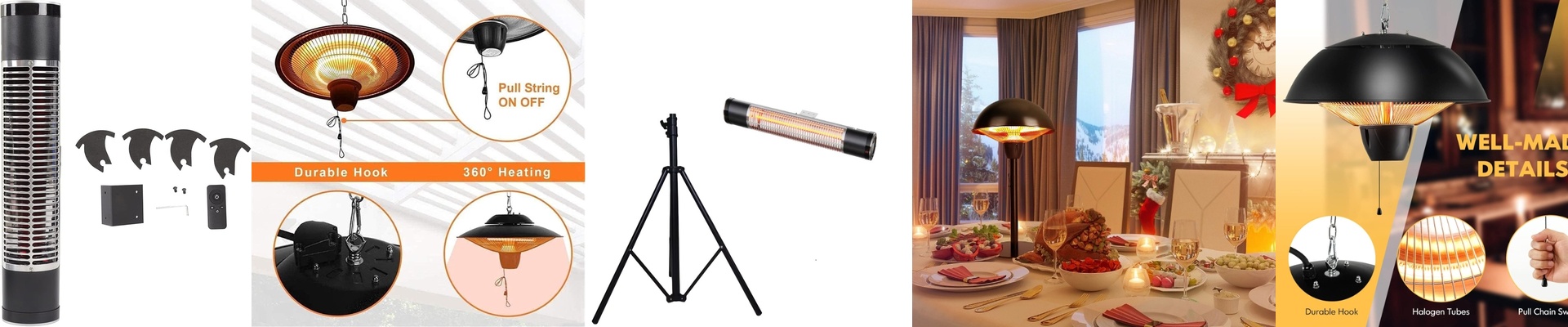

Outdoor seating dies when the air turns sharp. Guests stick around for minutes, not hours. Service slows to a crawl. Revenue follows the temperature down. A commercial patio heater has to flip that cold into comfort fast—and keep running season after season, without turning into another piece of disposable gear.
What matters under the hood
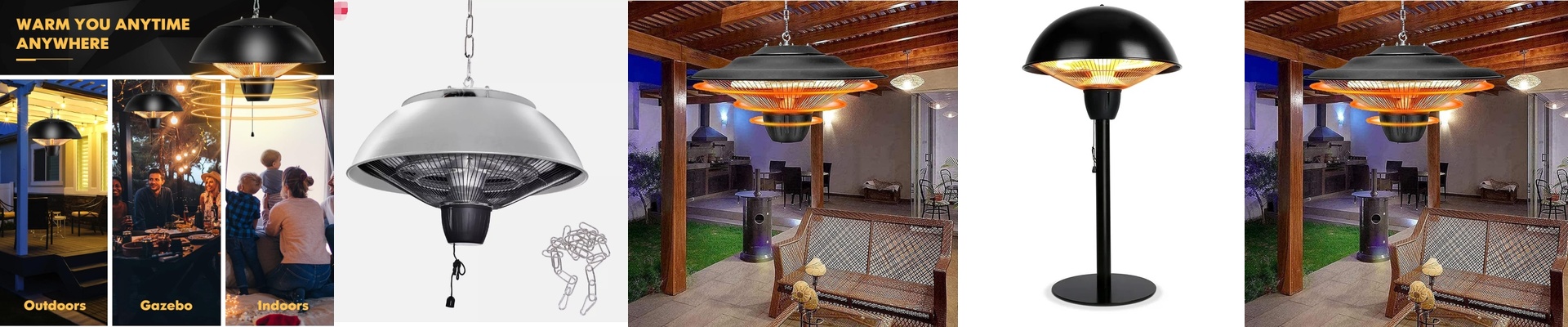
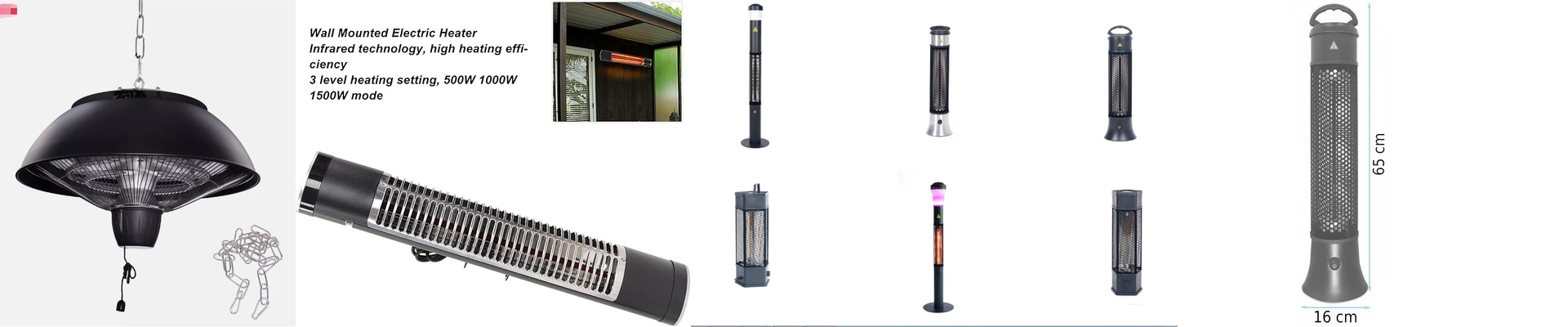
We built this commercial patio heater on infrared radiant heat, so warmth goes straight to people and furniture instead of wasting energy on the empty night air. The core is a high-purity quartz tube, paired with a reflector assembly made with high recycled content—designed to be refurbished and to support material recovery when it’s time. In practice, you get fast, directional heat that isn’t easily wrecked by wind. You can spec it at 1500W or 2000W, it plugs into standard 120V, and the sealed housing is rated for wet-location use. No fan noise. Just quiet operation, with tip-over protection and a thermostat so comfort stays steady and repeatable.
Why this heat belongs in a real service environment
This is the kind of warmth that makes outdoor dining feel intentional, not like an afterthought. Infrared warmth hits almost instantly, so guests feel cozy the moment they sit—no long warm-up, no moving air that stirs up drafts. Because the heat is aimed where people are, it can be more efficient than trying to warm the whole volume, which helps keep operating cost in check. And for venues that care about sustainability, the high-cycle material approach supports long service life and responsible end-of-life handling—fewer replacements over time.
The details that save you headaches on the floor
Placement is half the job. Infrared heat travels in line of sight, so position the heater to cover seating directly and keep the clearances listed. Set the thermostat to avoid overheating right near the unit—comfort is better when it’s consistent, not scorching. If you’re running multiple heaters, plan on a dedicated circuit. One practical note: the housing is built for outdoor exposure, but heavy rain or certain direct spray angles can still affect performance. Give it shelter or orient it so direct water contact is minimized—more years of reliable service come from that small decision.
Asientos exteriores mueren cuando el aire se vuelve frío y cortante. Los clientes permanecen minutos, no horas. El servicio se ralentiza al máximo. Los ingresos caen junto con la temperatura. Un calentador comercial para patios debe transformar ese frío en confort rápidamente y funcionar temporada tras temporada, sin convertirse en otro equipo desechable.
Lo que importa bajo el capó
Construimos este calentador comercial para patios basado en calor radiante infrarrojo, por lo que el calor se dirige directamente a las personas y al mobiliario en lugar de desperdiciar energía en el aire nocturno vacío. El núcleo es un tubo de cuarzo de alta pureza, combinado con un conjunto reflector con alto contenido reciclado, diseñado para ser reacondicionado y para facilitar la recuperación de materiales cuando llegue el momento. En la práctica, se obtiene calor rápido y direccional que no se ve fácilmente afectado por el viento. Se puede especificar en 1500W o 2000W, se conecta a un voltaje estándar de 120V, y la carcasa sellada está certificada para uso en ubicaciones húmedas. Sin ruido de ventilador. Funcionamiento silencioso, con protección contra vuelcos y termostato para mantener el confort estable y repetible.
Por qué este tipo de calor pertenece a un entorno de servicio real
Este tipo de calor hace que la comida al aire libre se sienta planificada, no un recurso de último momento. El calor infrarrojo se percibe casi instantáneamente, por lo que los clientes se sienten cómodos en el momento en que se sientan, sin tiempo de calentamiento prolongado ni aire en movimiento que genere corrientes. Como el calor se dirige donde están las personas, puede ser más eficiente que intentar calentar todo el volumen, lo que ayuda a mantener los costos operativos controlados. Y para lugares que valoran la sostenibilidad, el enfoque de materiales con altos ciclos de uso favorece una larga vida útil y un manejo responsable al final de su vida útil, reduciendo la cantidad de reemplazos a lo largo del tiempo.
Detalles que evitan problemas en el área de trabajo
La ubicación es la mitad del trabajo. El calor infrarrojo se transmite en línea de vista, por lo que se debe colocar el calentador para cubrir directamente la zona de asientos y respetar las distancias de seguridad indicadas. Ajuste el termostato para evitar el sobrecalentamiento cerca de la unidad; el confort es mejor cuando es uniforme, no excesivo. Si se usan varios calentadores, planifique un circuito dedicado. Una nota práctica: la carcasa está diseñada para exposición exterior, pero lluvia intensa o ciertos ángulos de rociado directo pueden afectar el rendimiento. Proporcione un refugio o oriente el equipo para minimizar el contacto directo con el agua; esta pequeña decisión prolonga años de servicio confiable.