



Stop Wrestling With Loose Lamps—Switch to Turnkey Modules
Buying a single quartz lamp is the easy part. Anyone can do that. But trying to fit ten of them into a precise annealing bulb geometry? That’s where things get messy. Most engineers I talk to hit a wall right there. We help you skip that headache by moving your production from a pile of loose parts to drop-in heating modules.
The reality of glass annealing
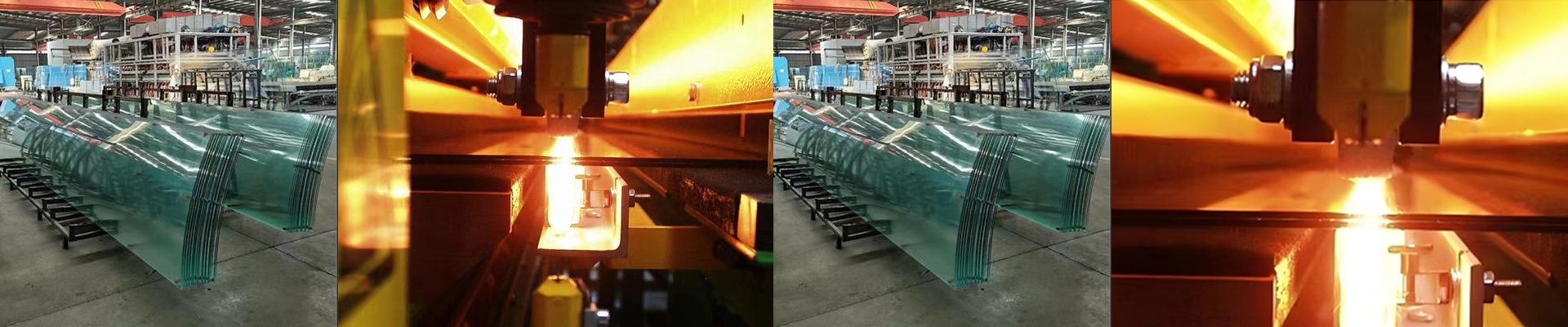
If you’re working with scientific glass, you know the drill: you need a precise thermal soak to get rid of internal stresses. We use short-wave infrared (SWIR) emitters because they punch through the glass surface way faster than convection ever could. To get the kind of heat density you need for bulb annealing, we use high-wattage quartz tubes. These aren’t your average off-the-shelf bulbs. We build them to handle the specific thermal load of your glass geometry so they don’t just burn out the moment you turn them on.
Why assembly is a trap
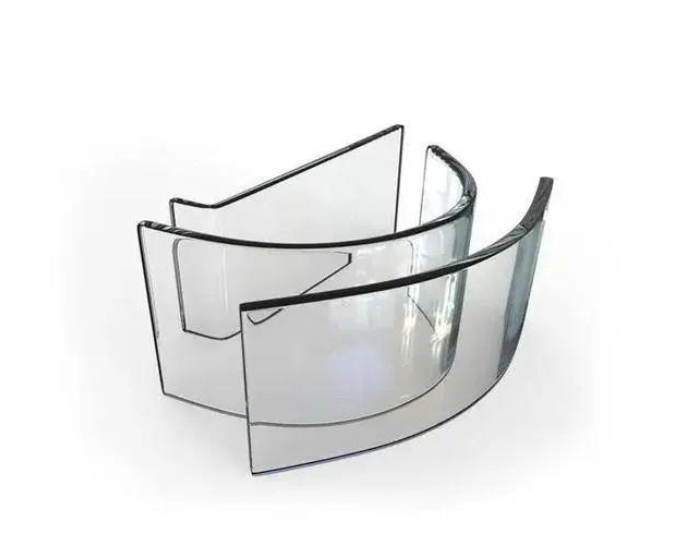
Let’s be honest: wiring up individual lamps on the shop floor is a waste of time. It’s tedious, it eats up man-hours, and it creates a dozen new ways for something to go wrong. That’s why we provide modules that are already bent and wired. We take care of the bending radius of the quartz for you. It’s a critical detail—if the filament shifts or touches the tube wall, you get an immediate hotspot and the whole thing fails. Plus, the connectors are already seated. No more worrying about crimping or polarity while you’re on the line. You just slide the module into your chassis, plug it into the controller, and you’re done.
Some honest trade-offs
Here’s the thing: high-density SWIR modules put out a massive amount of heat, and they do it fast. But that heat has to go somewhere. If you push these lamps to their max wattage, your cooling fans and heat sinks need to be up to the task. If your airflow is weak, you’ll end up warping your mounting brackets long before the lamps actually wear out. We design these modules to be true drop-in replacements. It kills the guesswork on your assembly line and keeps your downtime as short as possible.